The Woodland, Flora & Fauna Group, a volunteer organisation dedicated to protecting local countryside and wildlife, invite you to a special talk by the world-famous natural navigator, author and TV personality, Tristan Gooley entitled ‘THE HIDDEN SEASONS’.
It will take place on Thursday, 27th August at 7.30 pm in the Main Hall of the Village Centre, Trinity Road, Hurstpierpoint, BN6 9UY.
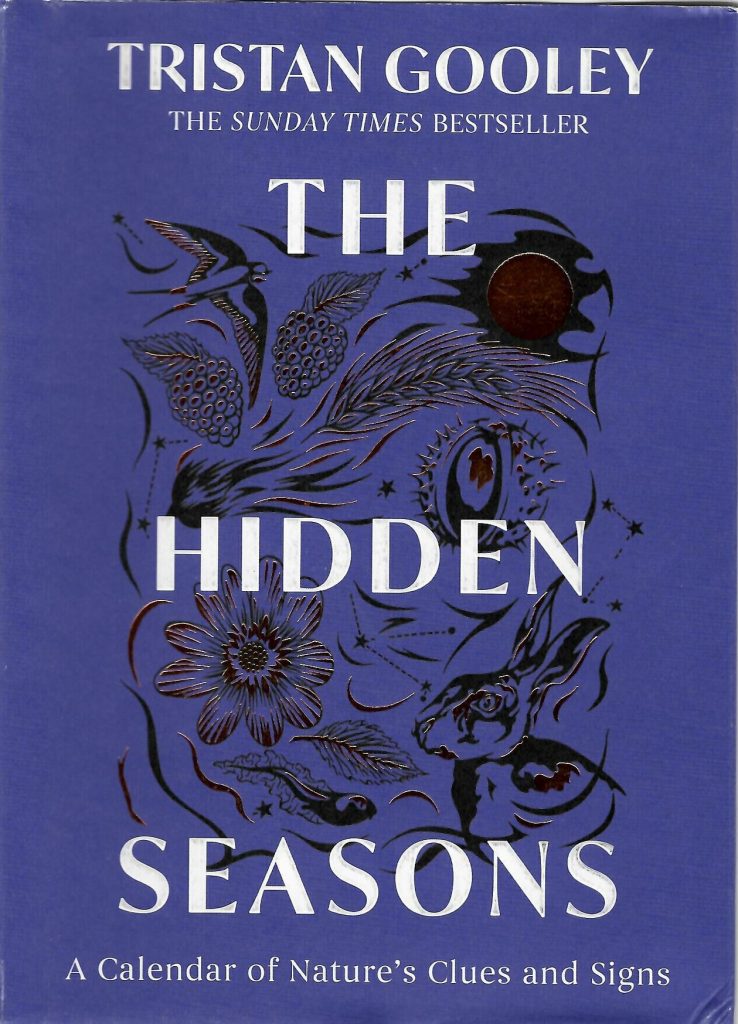 This talk is based on his latest best-selling book.
In The Hidden Seasons, Tristan Gooley shows us how to read the clues that the sun, moon, stars, plants, fungi, animals, water and weather give us – but that we continually miss, because we don’t know how and where to look. Spring is the time of wildflower signs, unique cloud shapes and curious animal behaviour. Summer is a time of coastal clues, astronomical extremes and secret grass patterns. Autumn is a time for reading leaves, deciphering scents and investigating fungi. And in winter, we learn to read snow, deepen our star knowledge and use rare methods to find clues in overlooked places, including indoors.
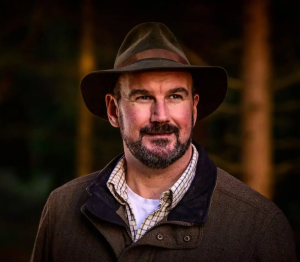 The Natural Navigator – Tristan Gooley.
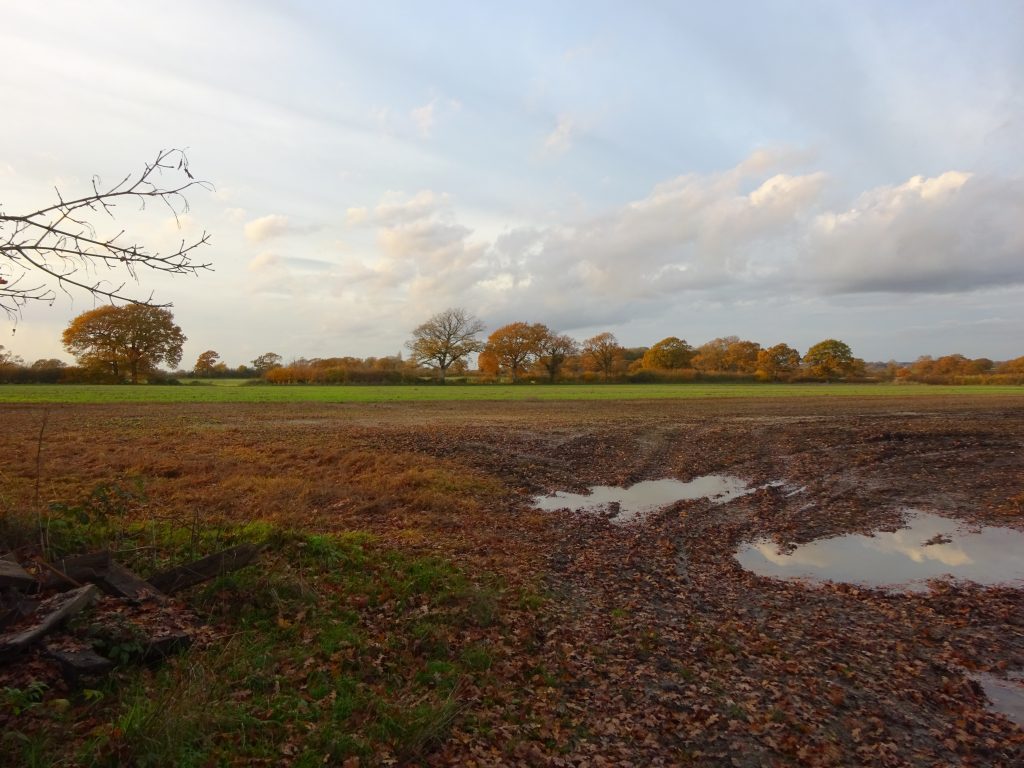 Natural Navigation can be achieved anywhere by observing the clues nature provides. Tristan gives us the knowledge to do it.
In 2020 he was awarded the Harold Spencer-Jones Gold Medal by the Royal Institute of Navigation. It is the Institute’s highest award, given in recognition of an outstanding contribution to natural navigation. He has recorded the podcast, ‘The Pursuit of Outdoor Clues‘. Tristan has given talks across the world and appeared on TV and radio programmes in the UK and internationally, including The Today Programme, Night Waves, Countryfile, BBC Stargazing Live, Country Tracks, Ramblings, Open Country, Shipwrecks, The One Show, Winter on the Farm, The Infinite Monkey Cage and All Roads Lead Home. He is an ambassador of The Woodland Trust, patron of the British Pilgrimage Trust and Vice Chairman of the independent travel company, Trailfinders.
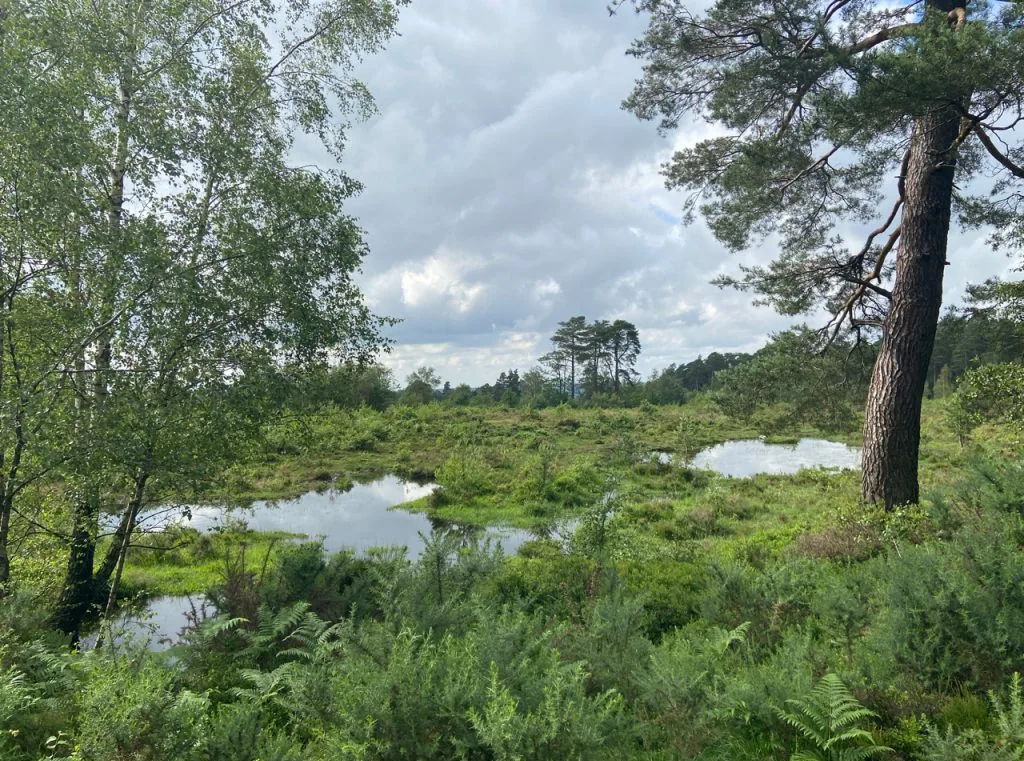 He has spent decades hunting for clues and signs in nature across the globe, and has been nicknamed “The Sherlock Holmes of Nature”
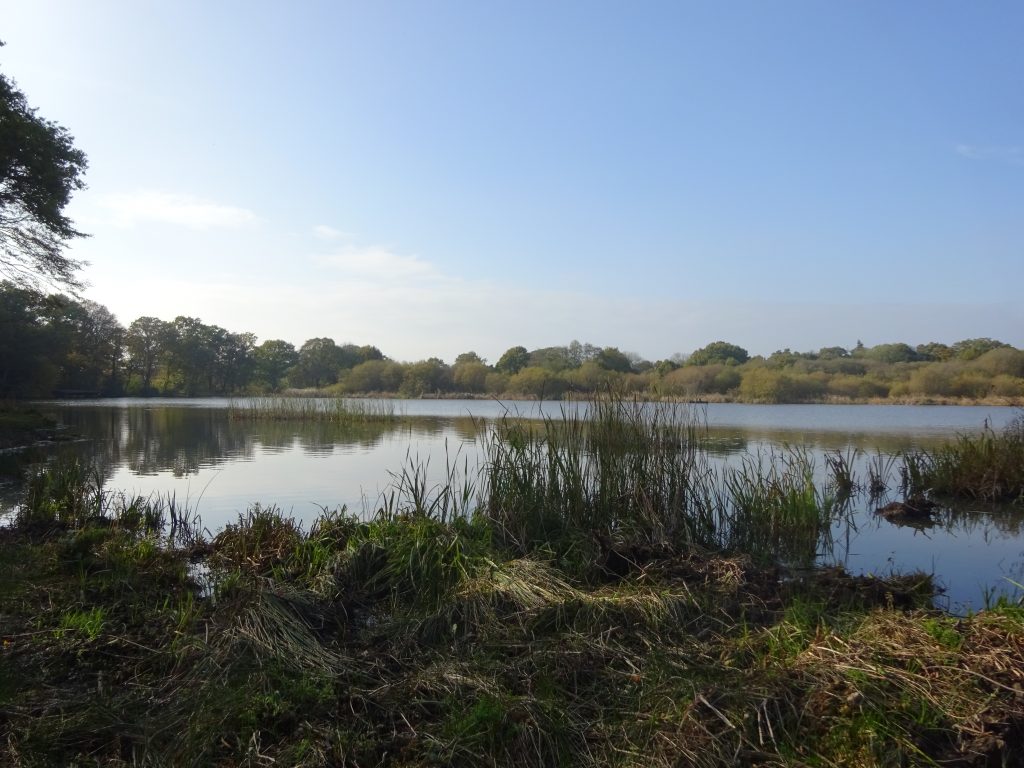 After hearing his talk a new dimension will have been added to your knowledge of our natural world.
We hold talks given by distinguished , knowledgeable speakers who can provide valuable information about the natural world. These opportunities don’t come very often, so please join us for this unique opportunity to hear Tristan’s talk to learn more. It will immediately follow a brief introduction by The Woodland, Flora & Fauna Group, the organisers of the evening, who use these events to generate any donations people can spare to support our widespread nature conservation work around Mid Sussex and adjacent villages. The natural world is struggling to survive and needs all the assistance it can get, so any help received is invaluable.
Entry is free and all are welcome. There is a car park opposite the building.
The talk poster advertising the event is shown below together with book-purchase and book-signing information beneath it.
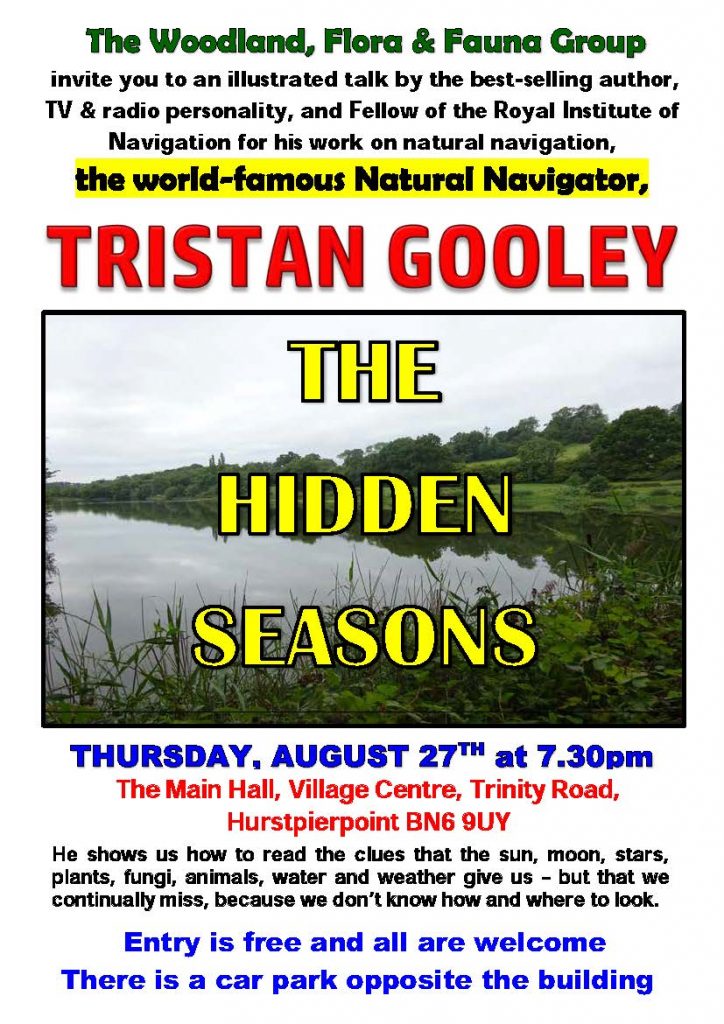
Tristan’s books will be sold at the event and he has also promised to sign the copies of any person bringing one of his books with them to the talk venue. This is a unique opportunity to get a signed copy and to chat with such a well-travelled and distinguished author. Do not miss your chance!
*Images by courtesy of Tristan Gooley, Michael Nailard, and Jim Holden
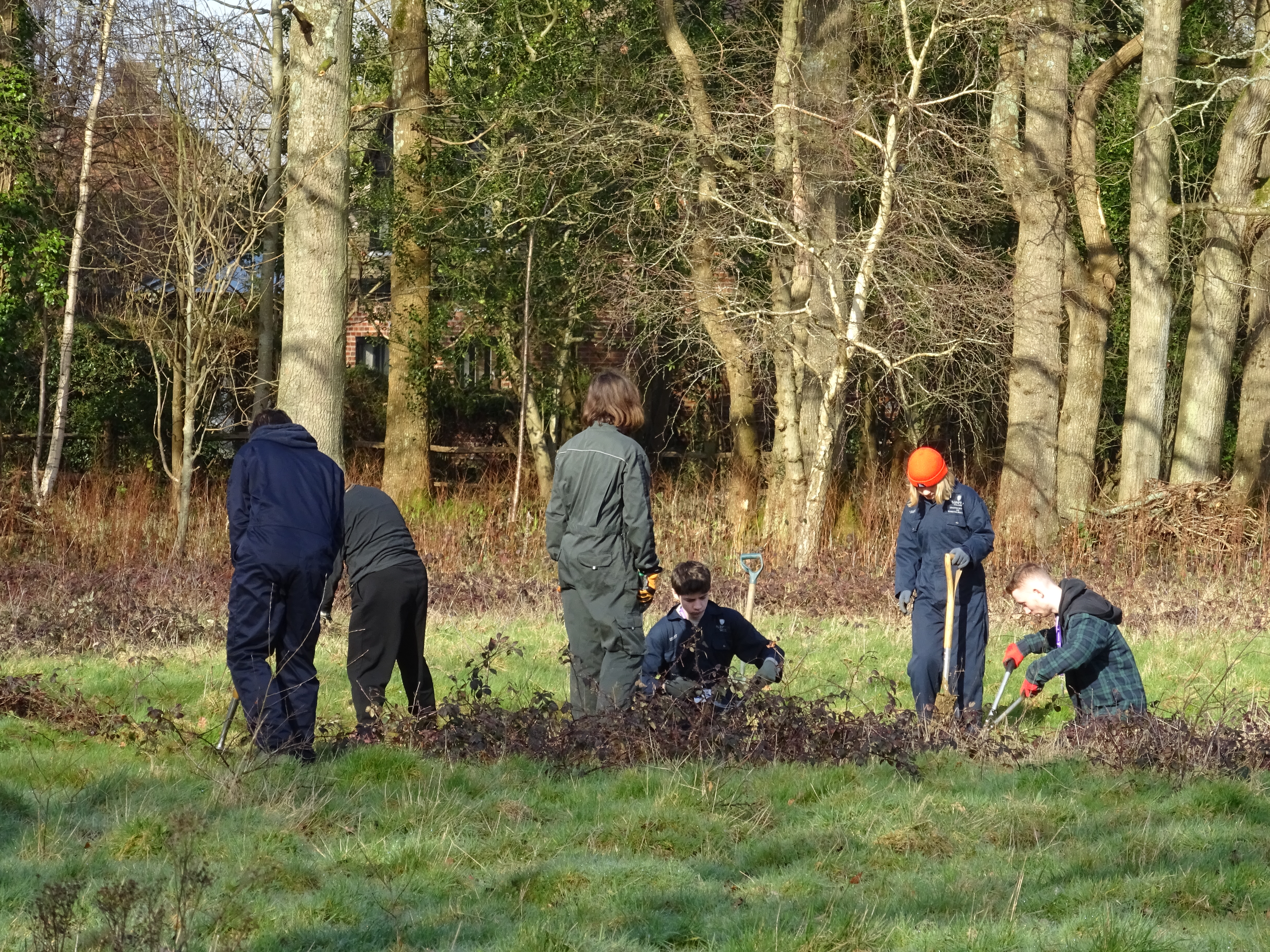 Helpers gather to tackle the bramble growth spreading from the woodland.
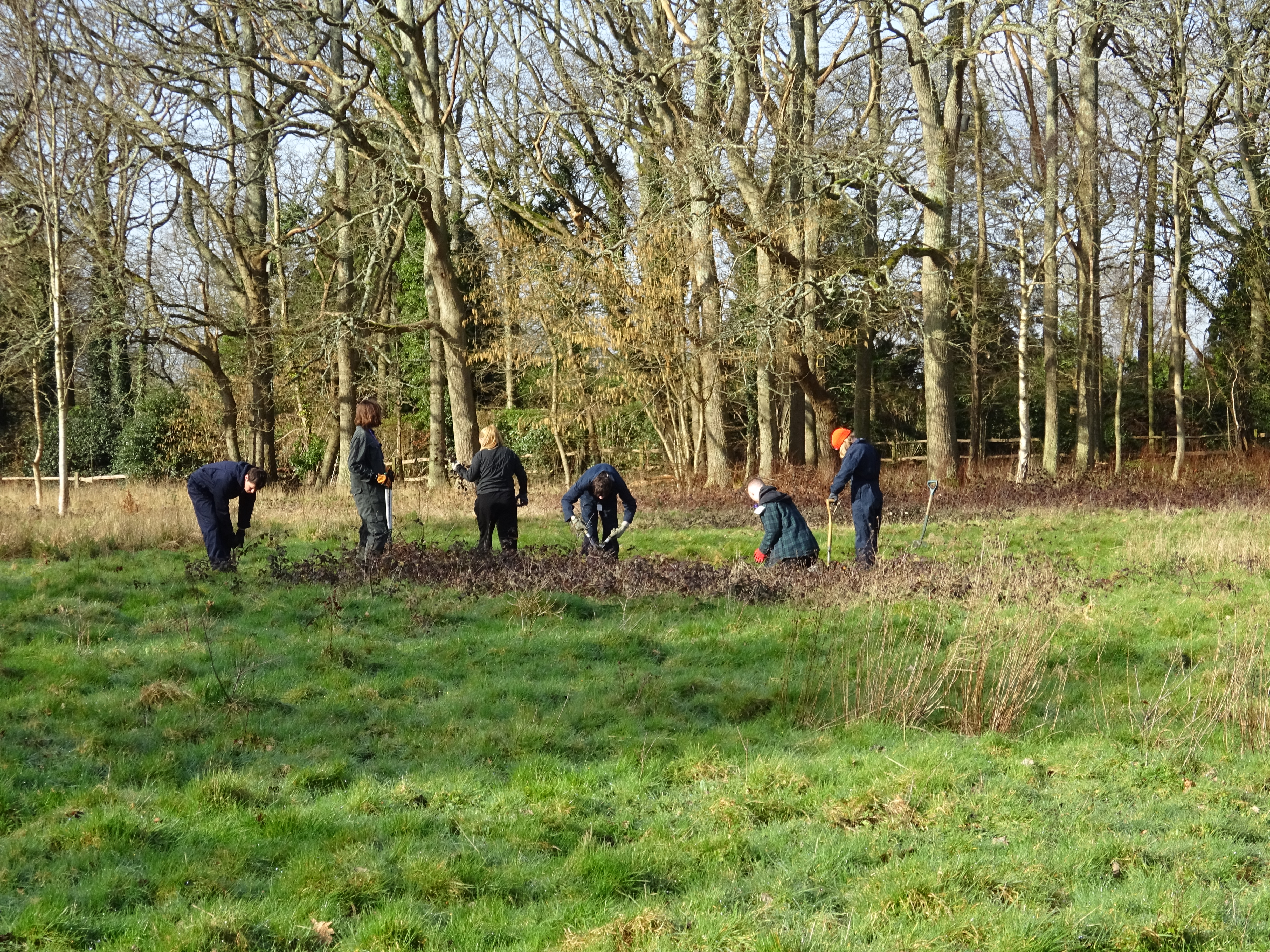 Unless all roots are removed from the meadow this incursion returns every year.
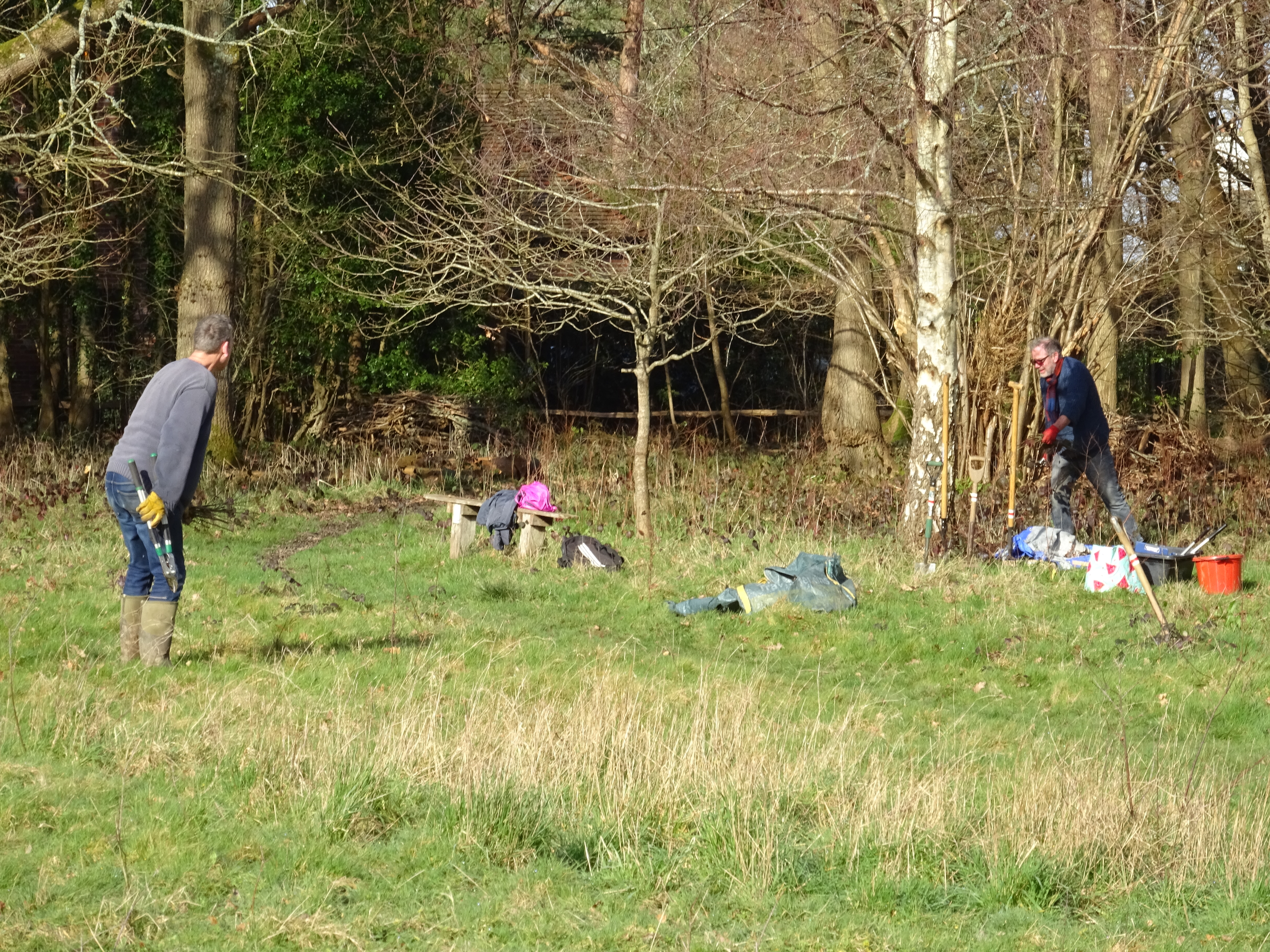 All debris from trees is collected and placed in woodland piles to encourage wildlife habitation.
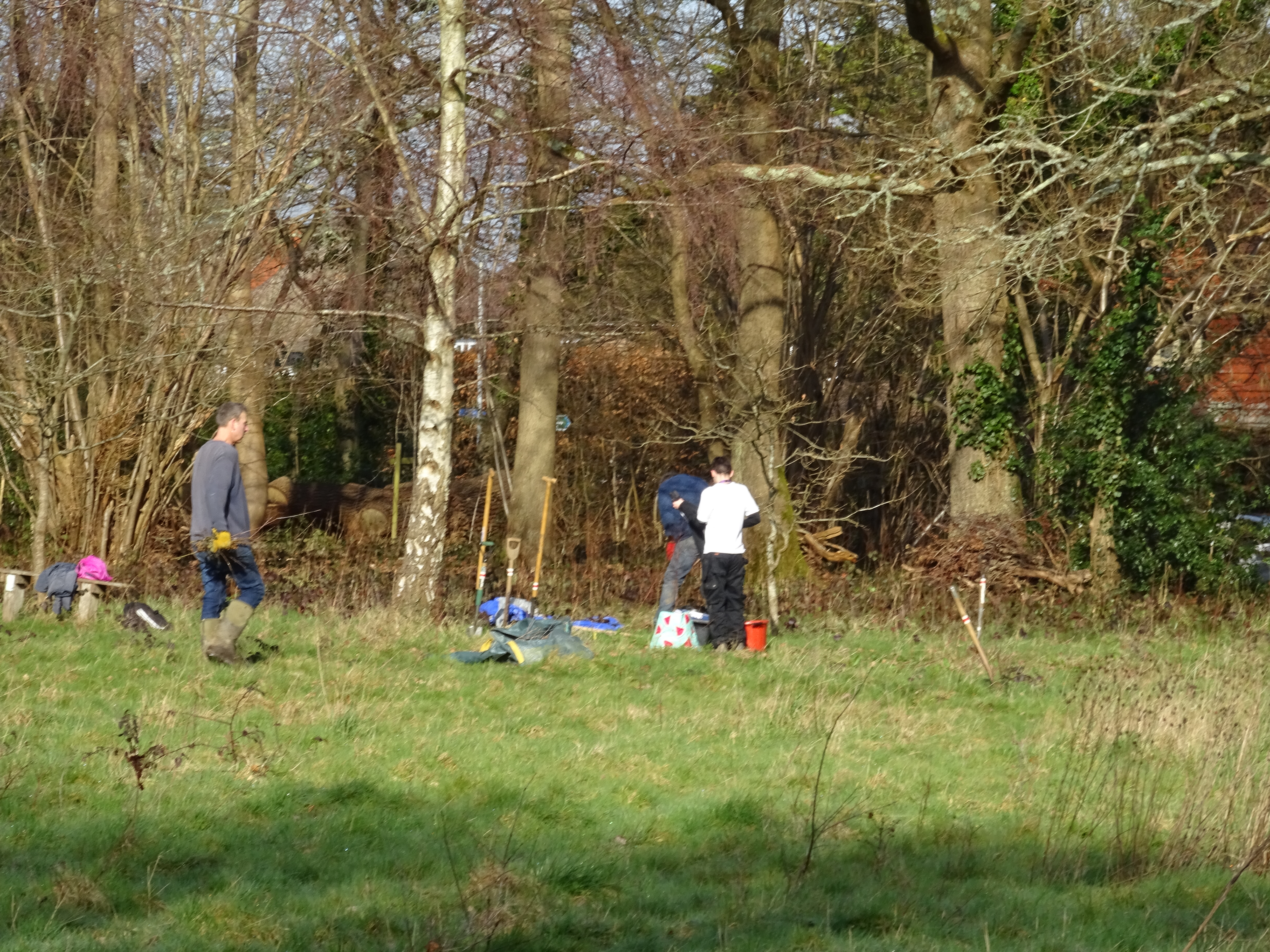 All woodland bramble spread into the meadow was tackled….
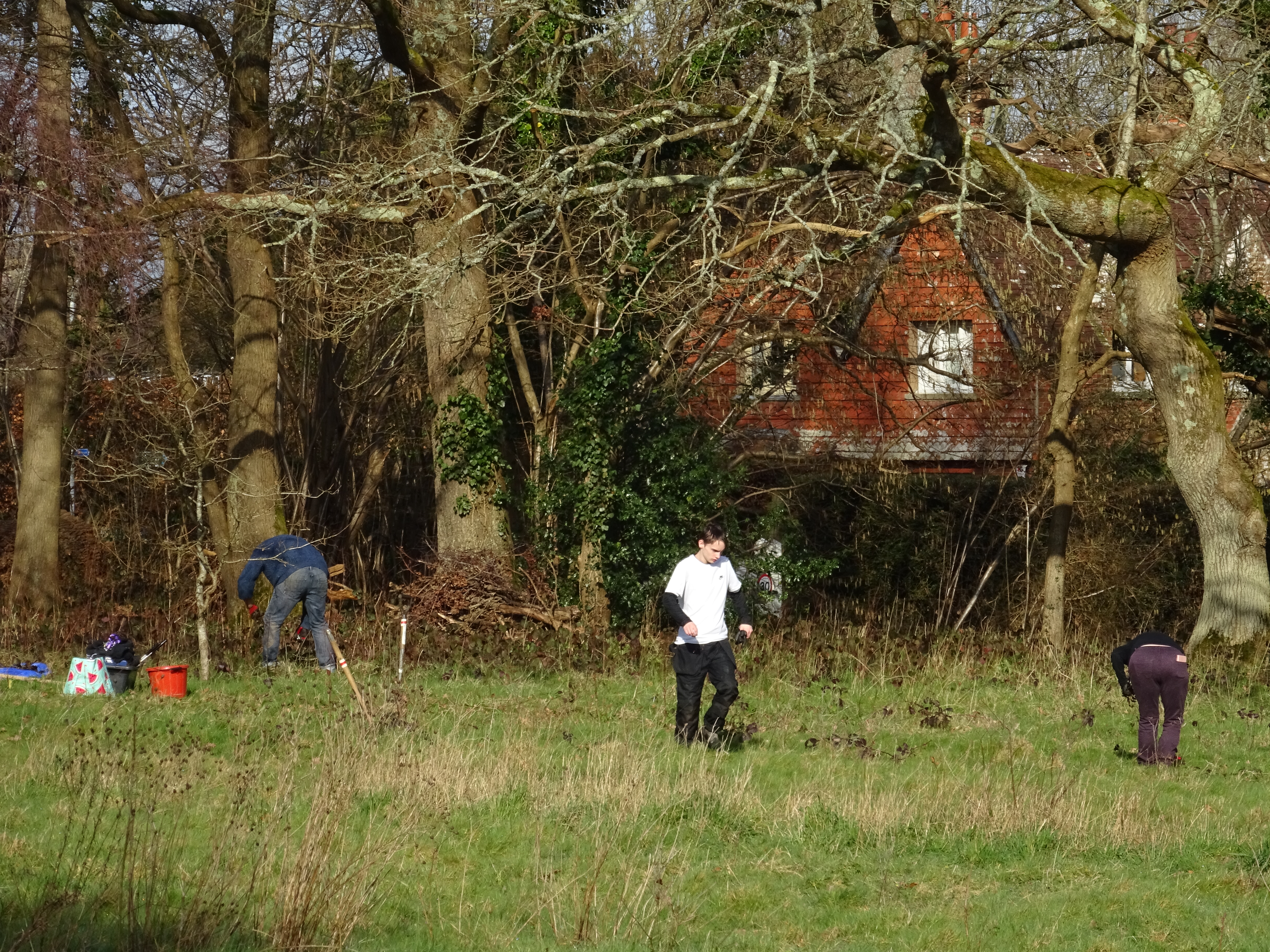 …. and the plants removed wherever possible.
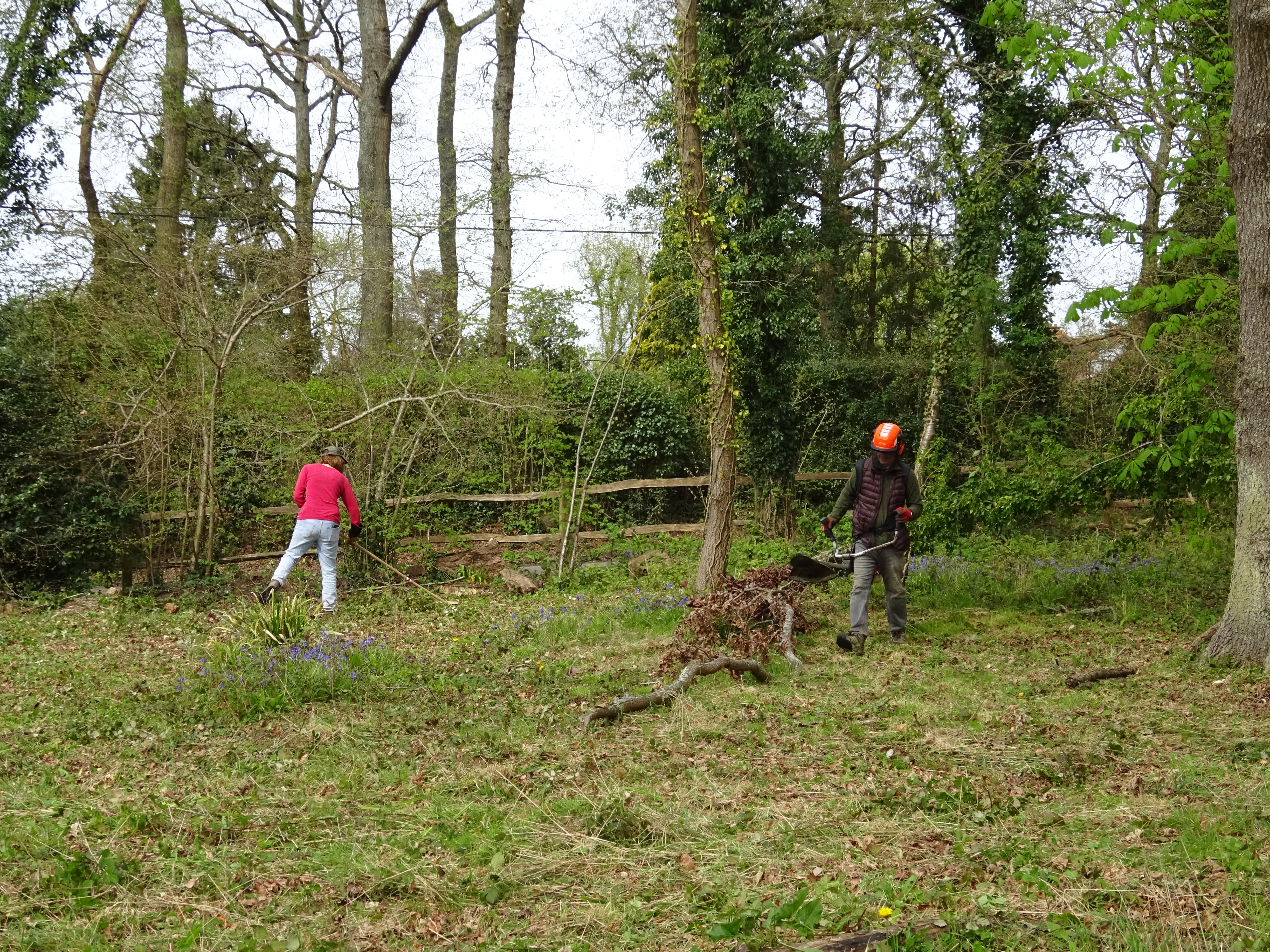 Within the wood, bramble was cut back in all areas where wildflowers were not present.
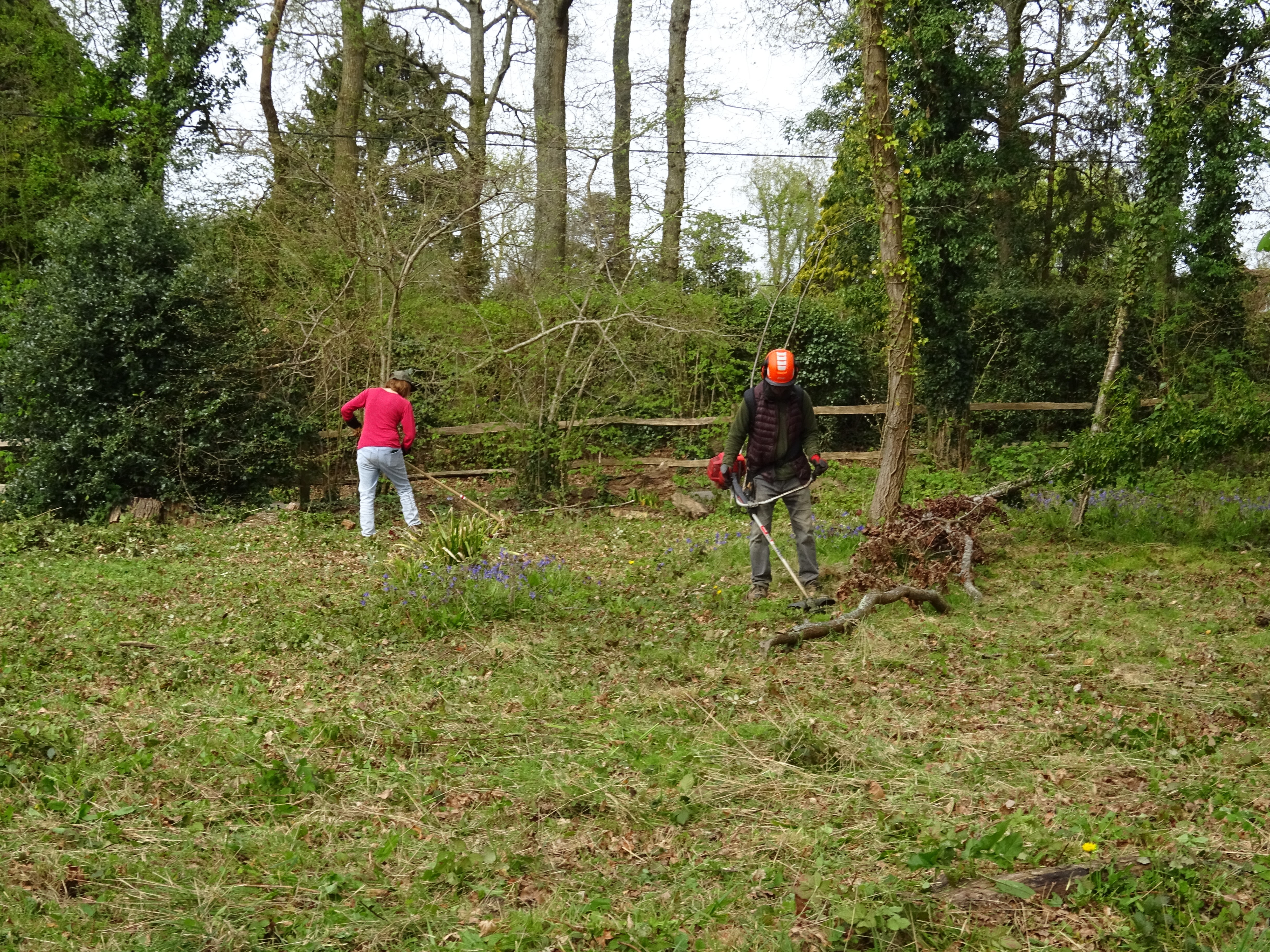 The more we were able to cut, the lower the regrowth that would re-appear as the summer progressed.
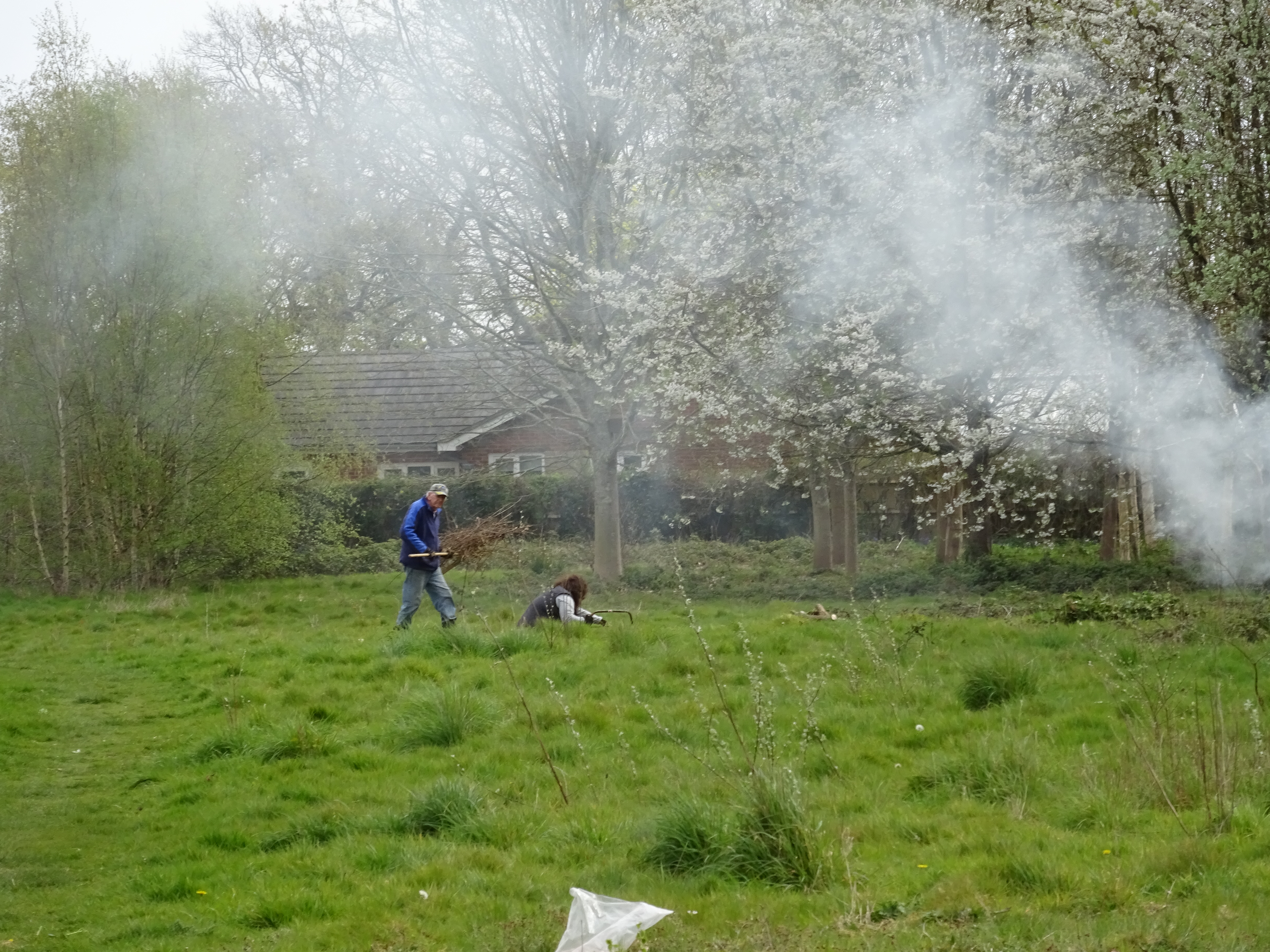 Throughout the site, similar operations were taking place.
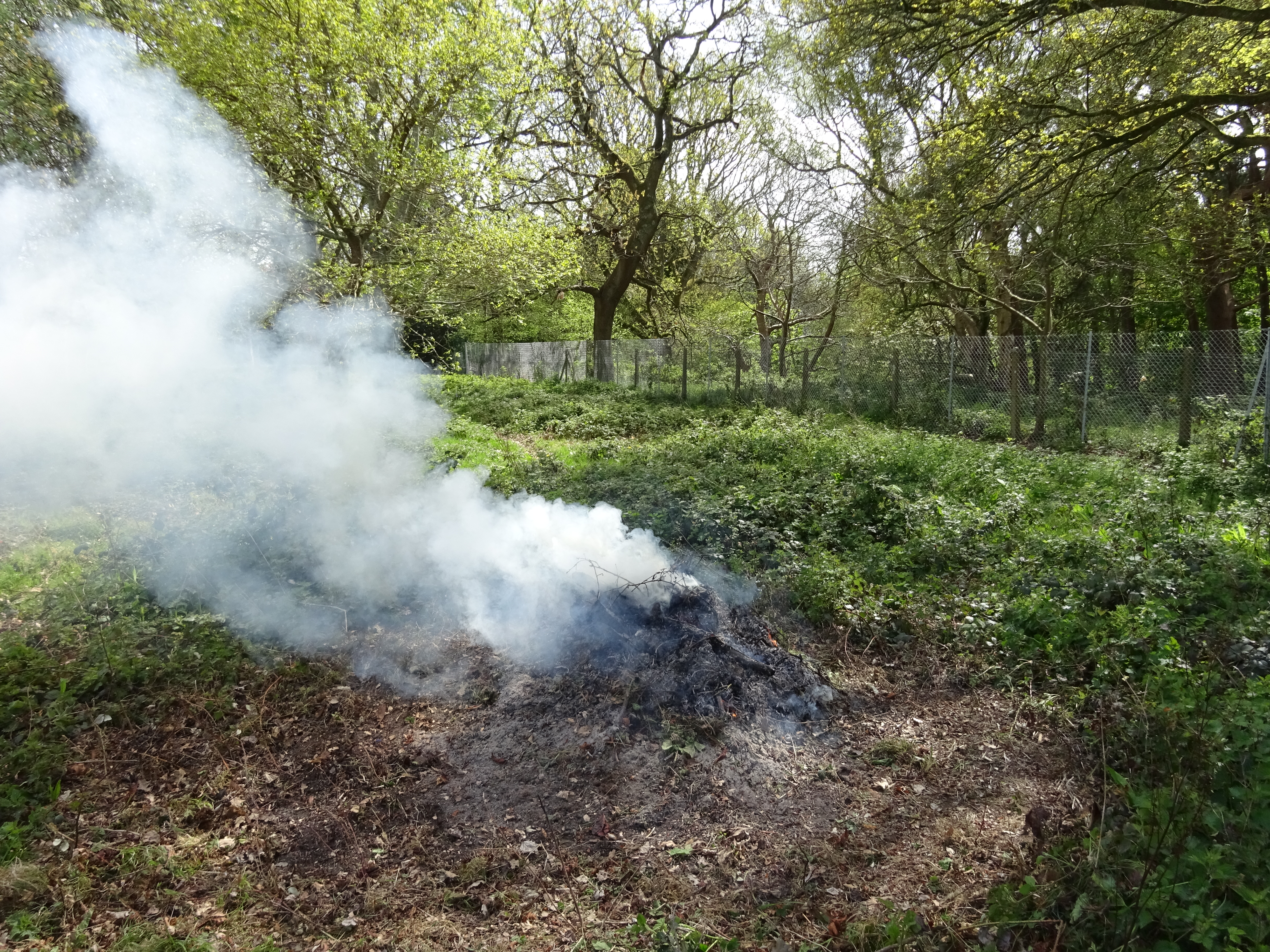 When the wind was in the right direction to avoid any nuisance to the neighbouring properties, the cuttings were burnt.
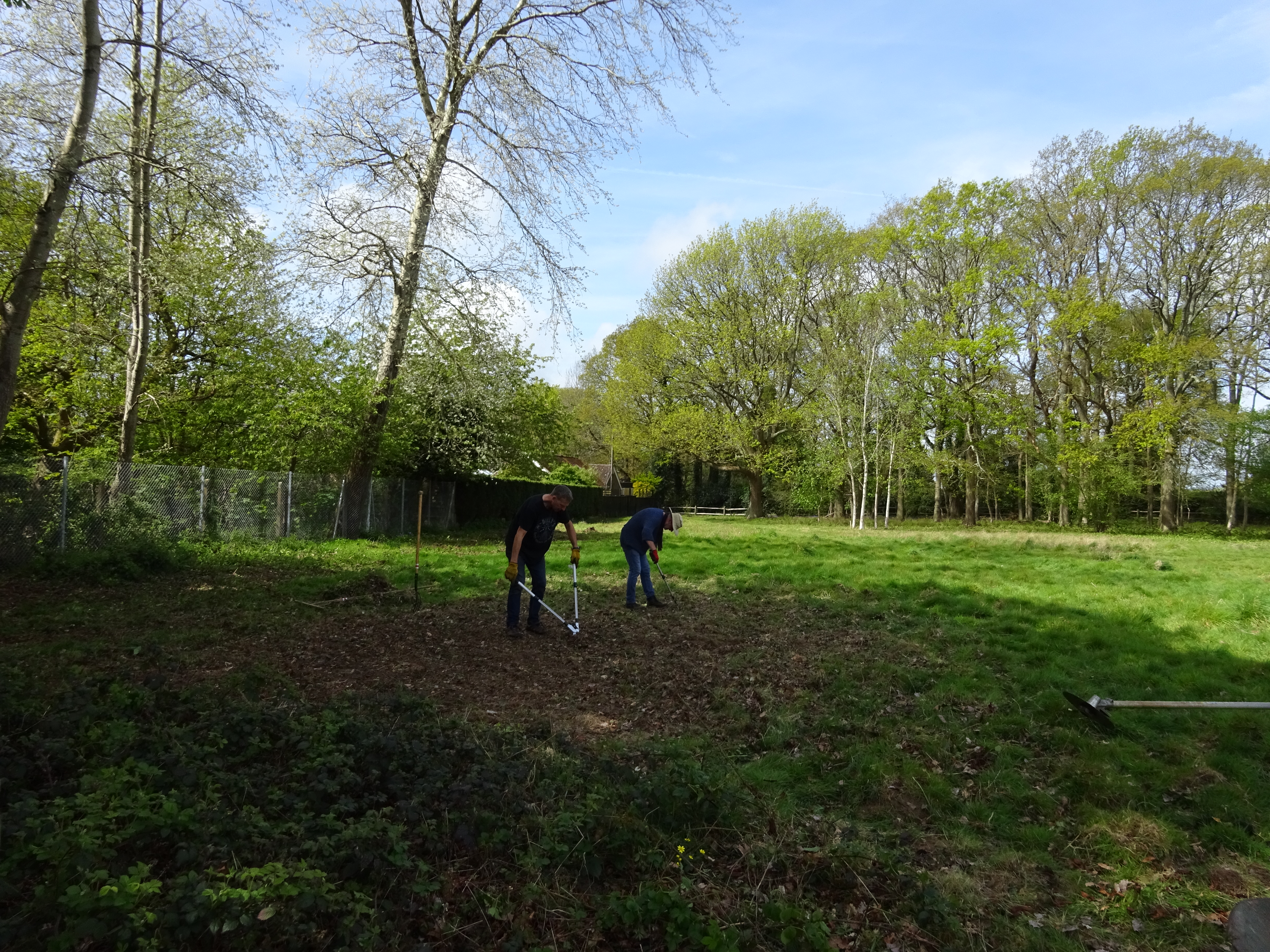 Large areas of meadow brush and bramble spread were removed.
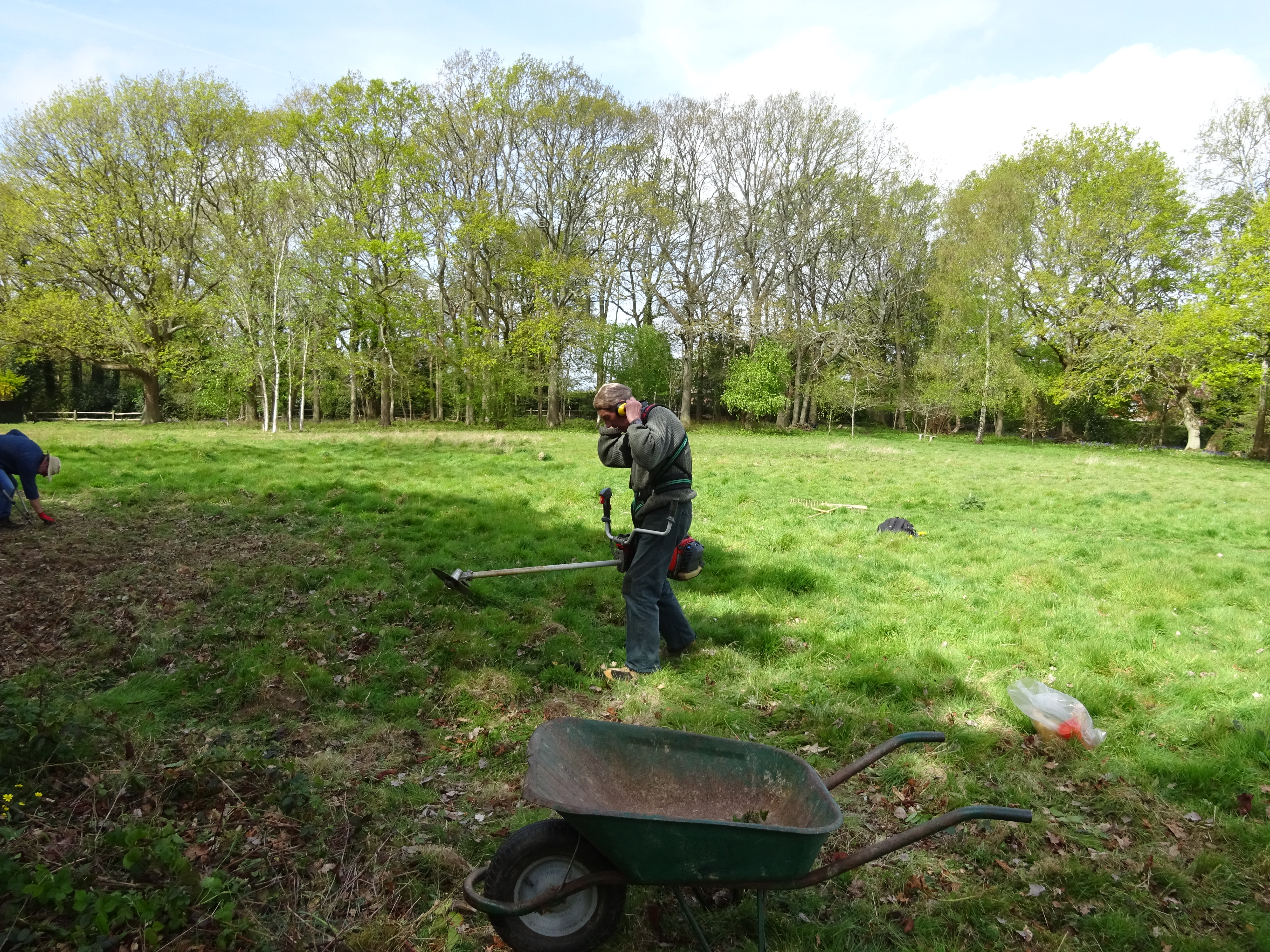 Brush cutters were used to deal with these difficult areas.
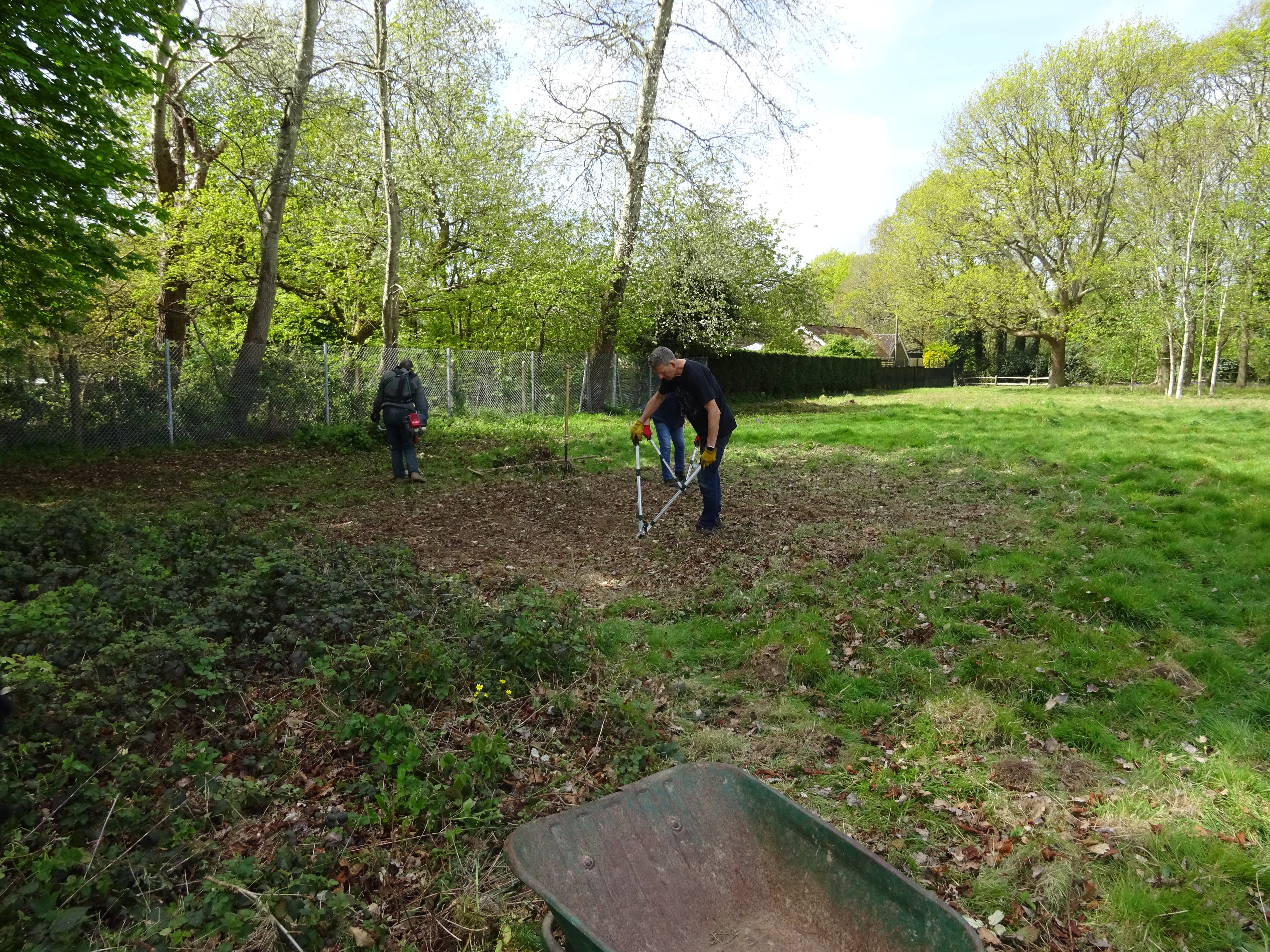 If unchecked, they would impede the passage of the users of the public pathways around the site.
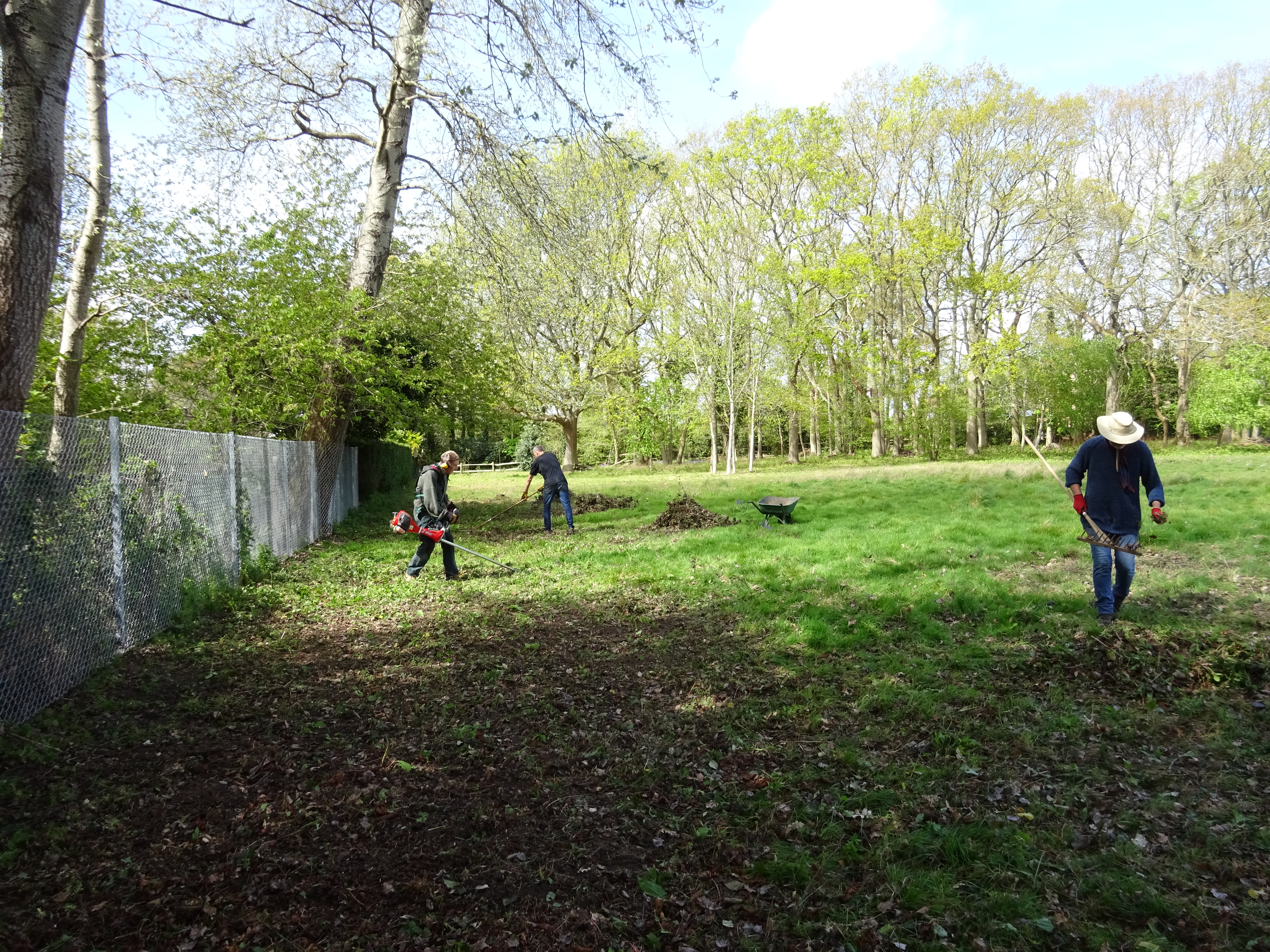 A careful balance is maintained between requirements for nature to flourish….
 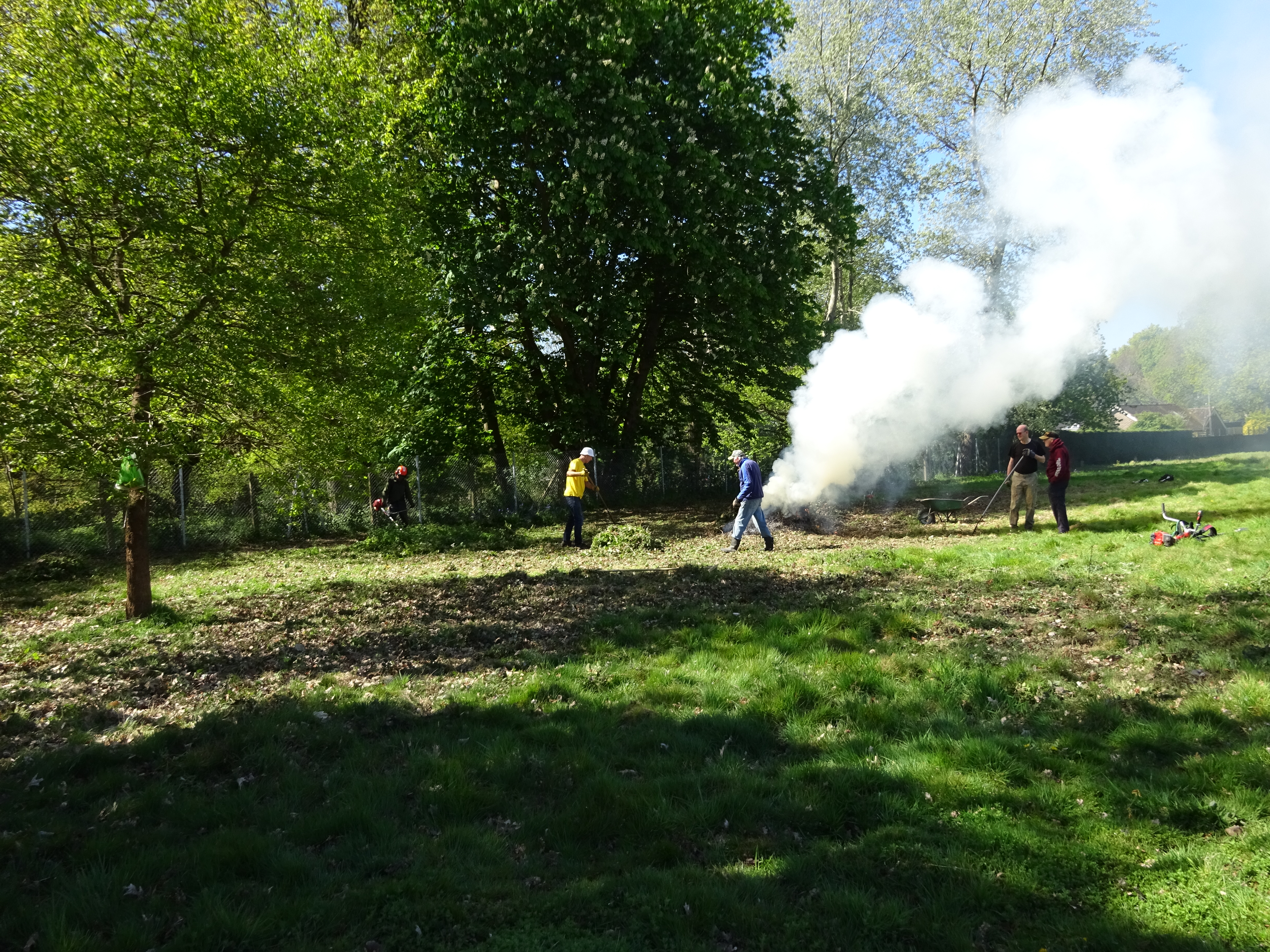 …. and public usage of the area.
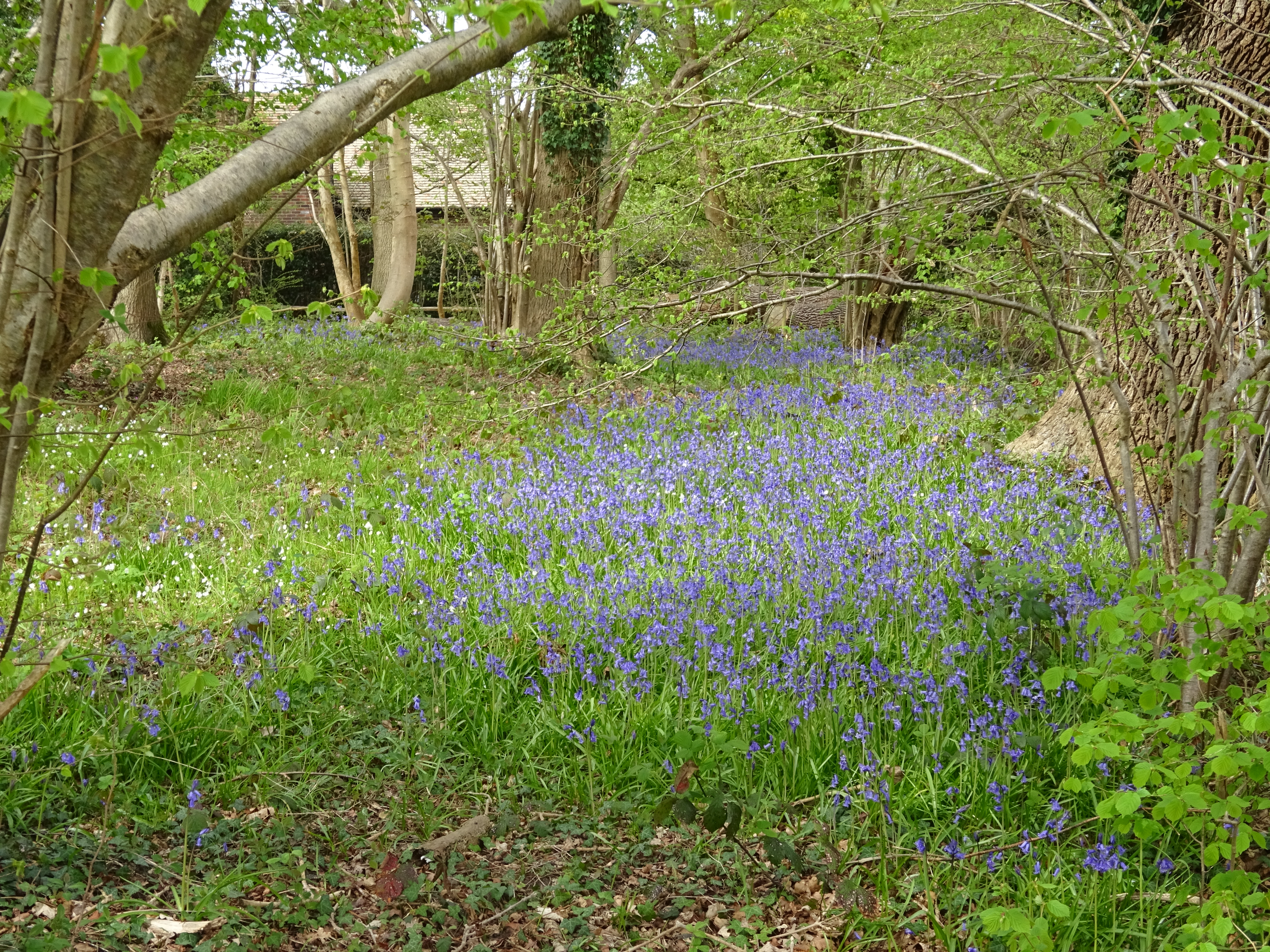 This allows wildflowers to develop unimpeded….
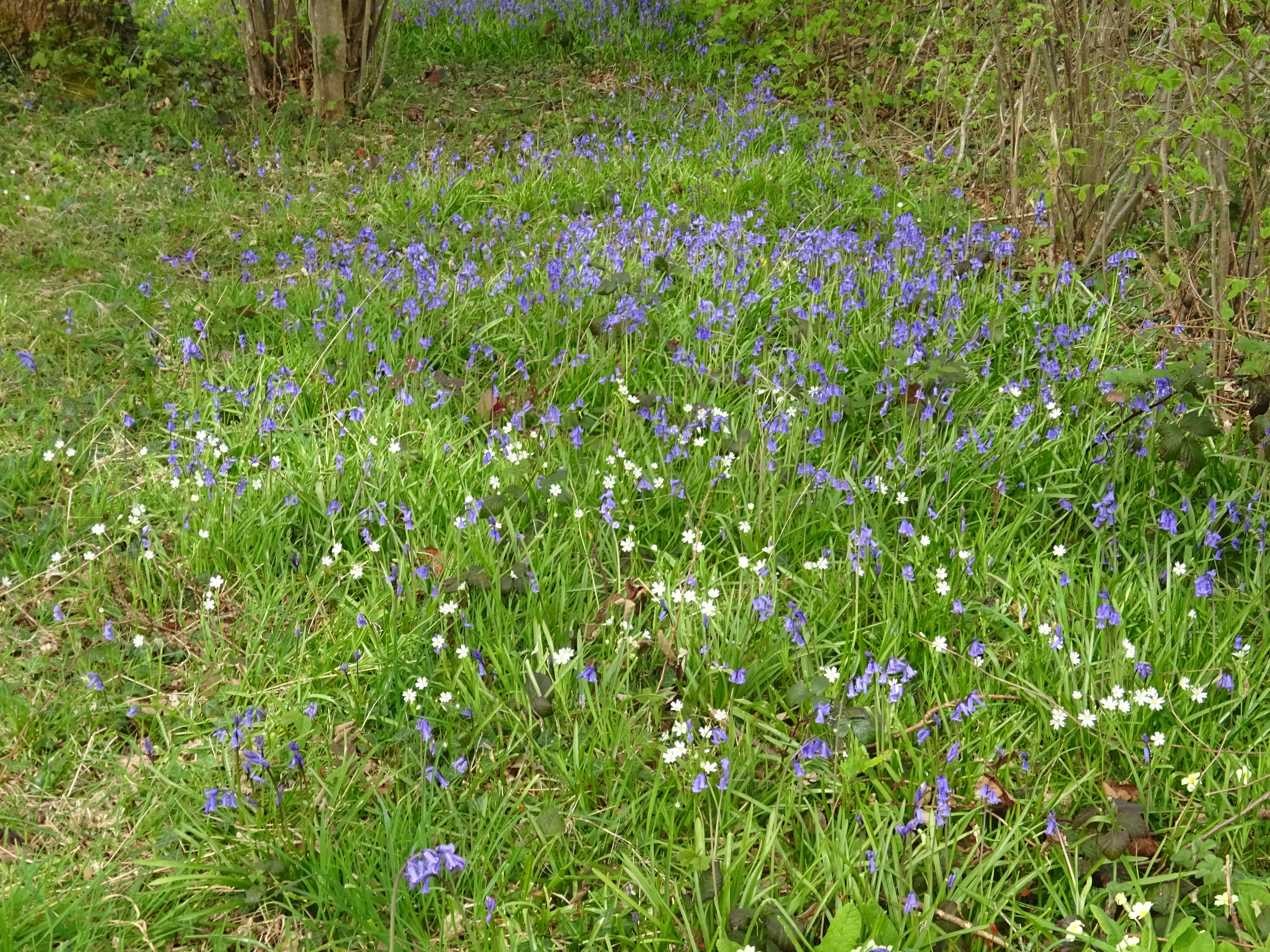 …. to benefit the natural environment….
 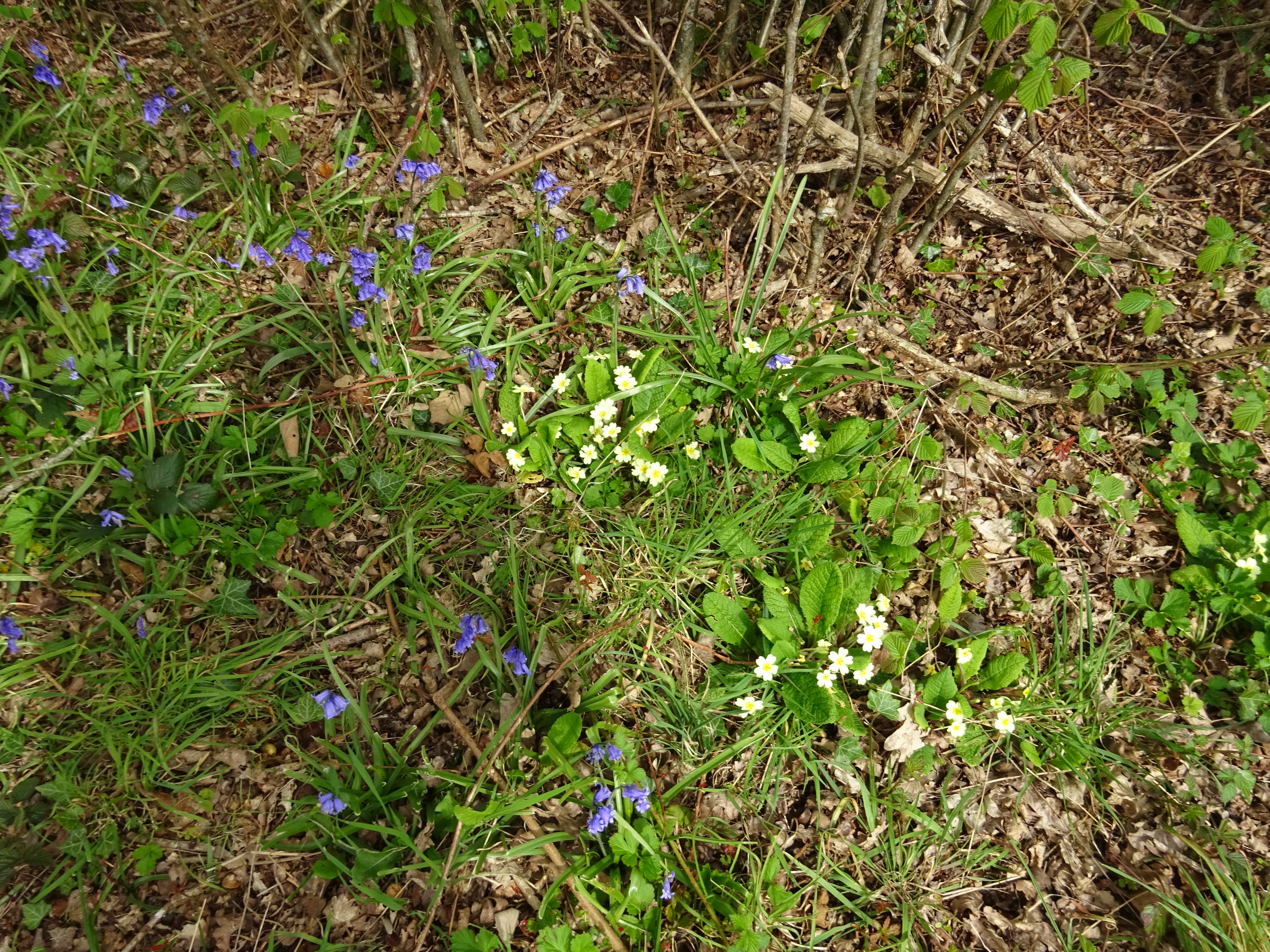 …. all around the site….
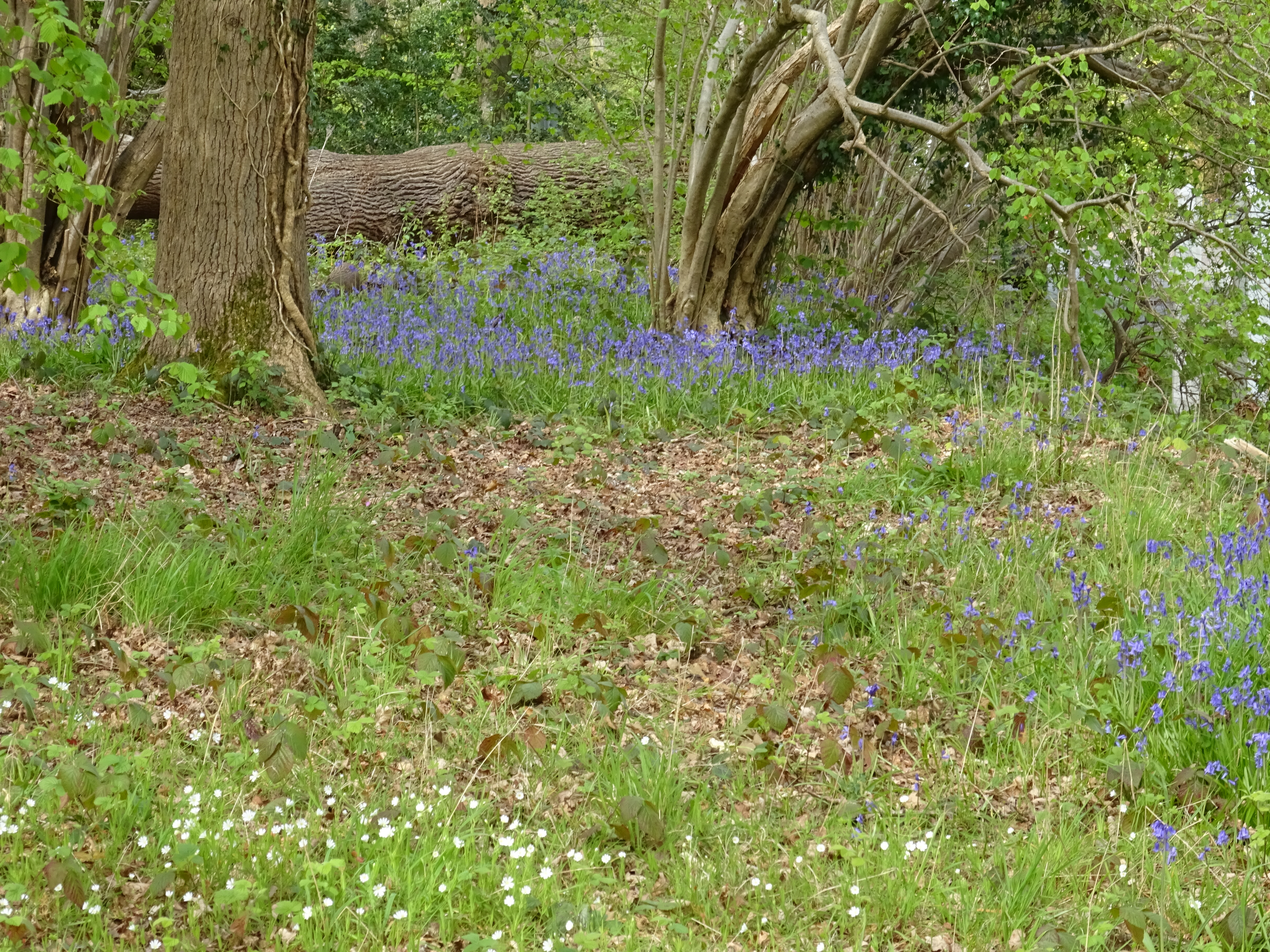 …. boosted by previous group initiatives of wildflower plug planting.
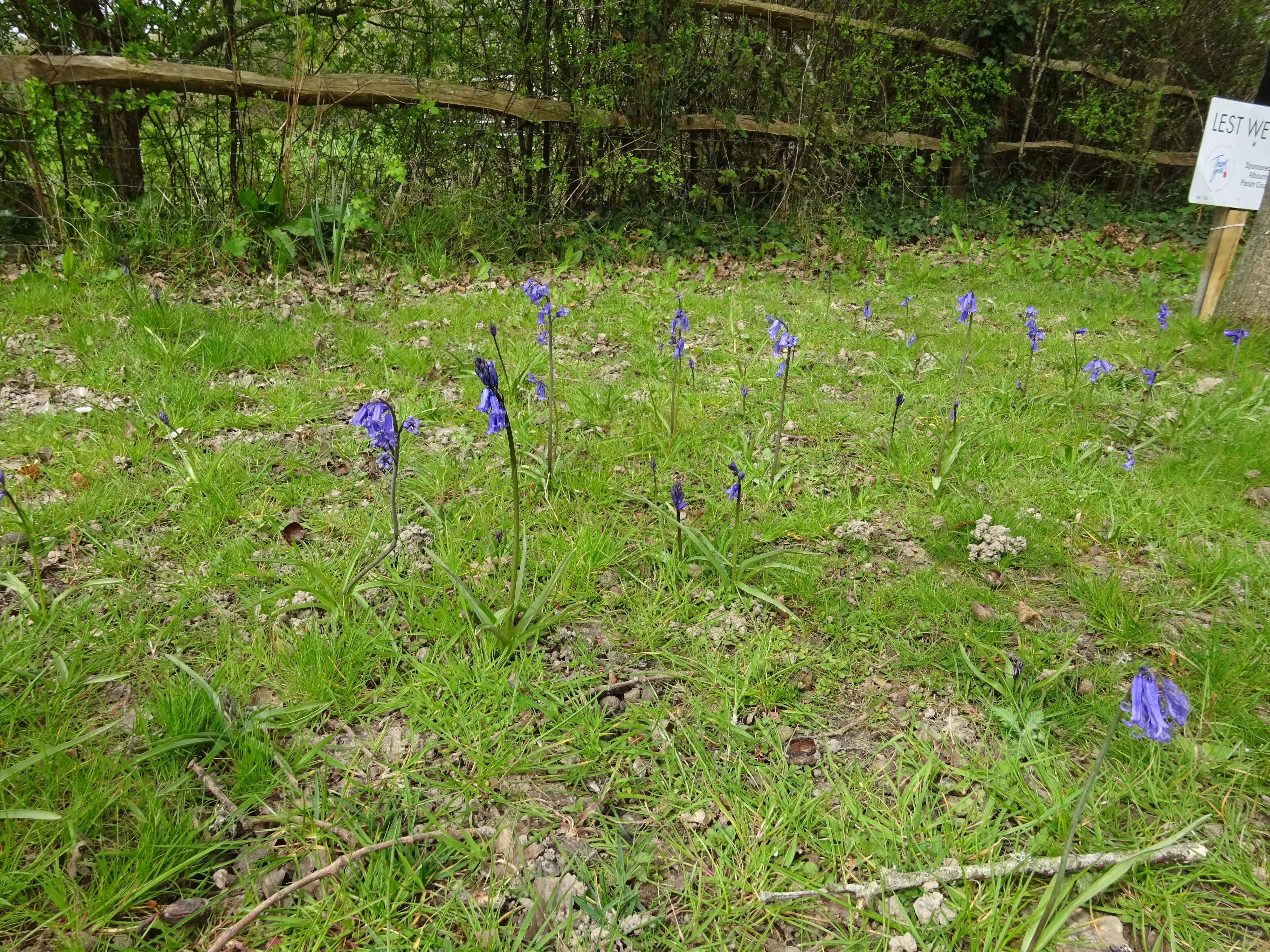 Bluebells appearing already following the planting undertaken by the schoolchildren.
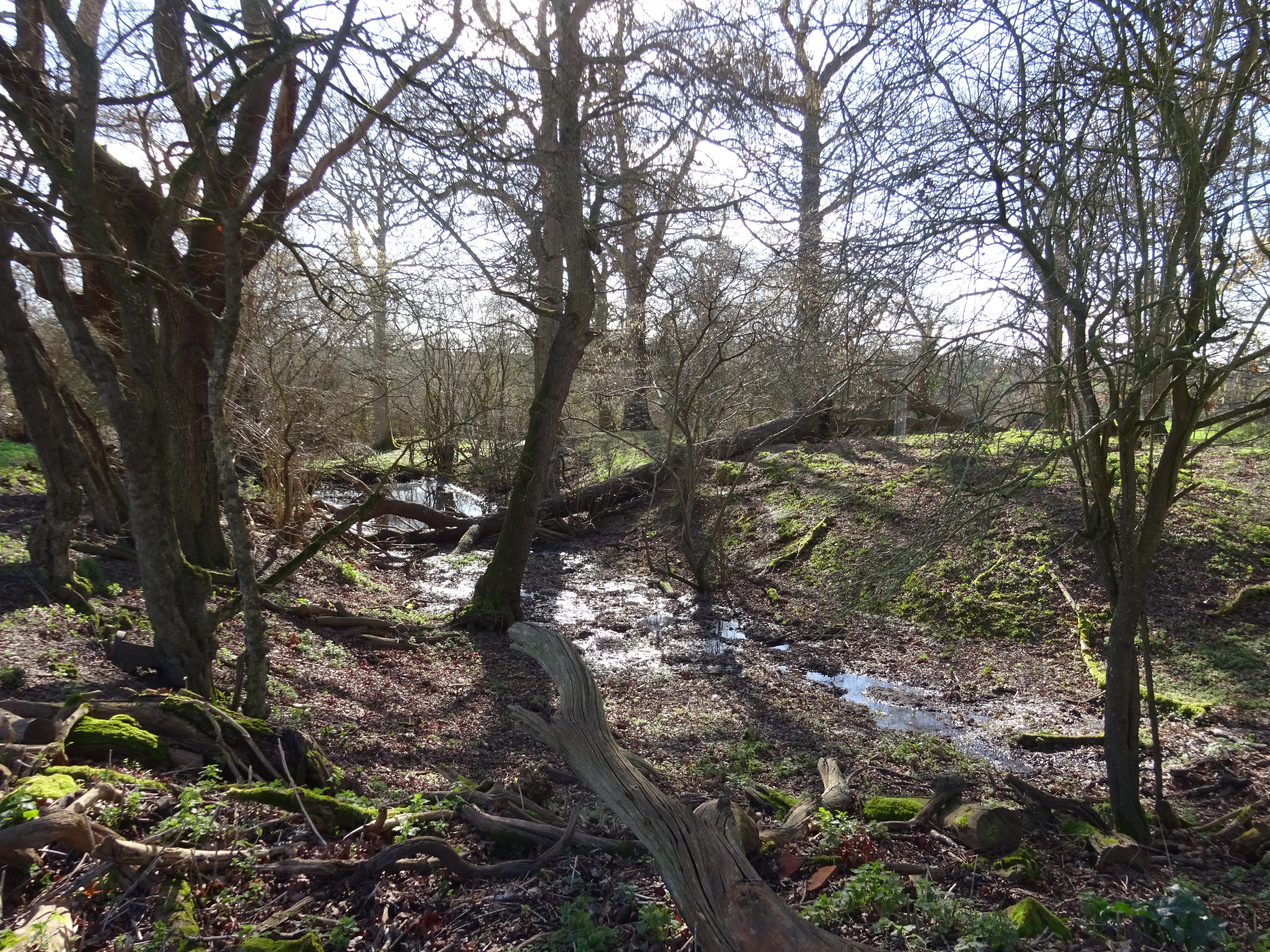 The wet weather this year has been been continuous with few dry intervals to undertake our conservation work.
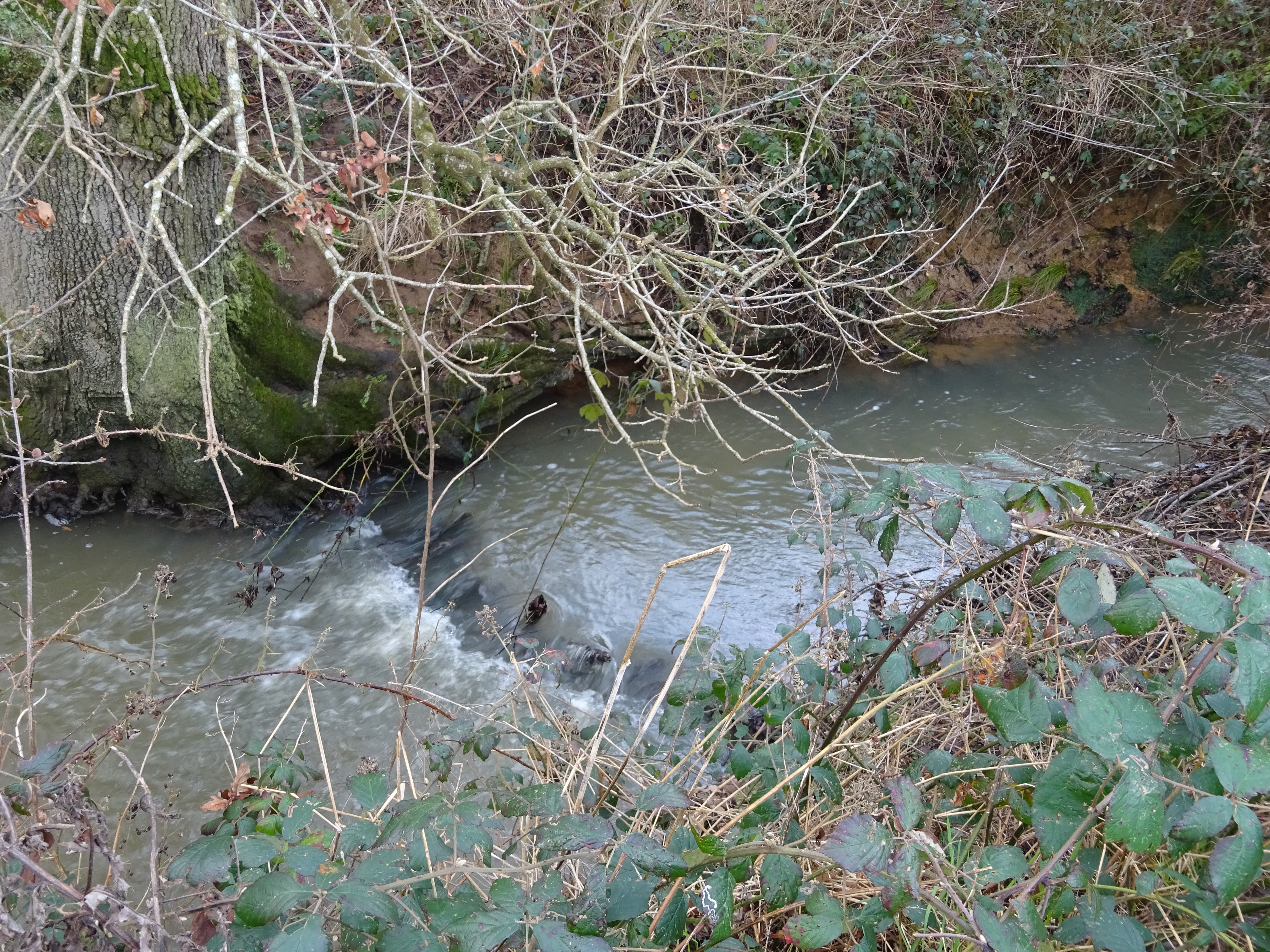 The ability for the ground to deal with this excess of rainfall has been impossible and resulting quagmire conditions have been experienced.
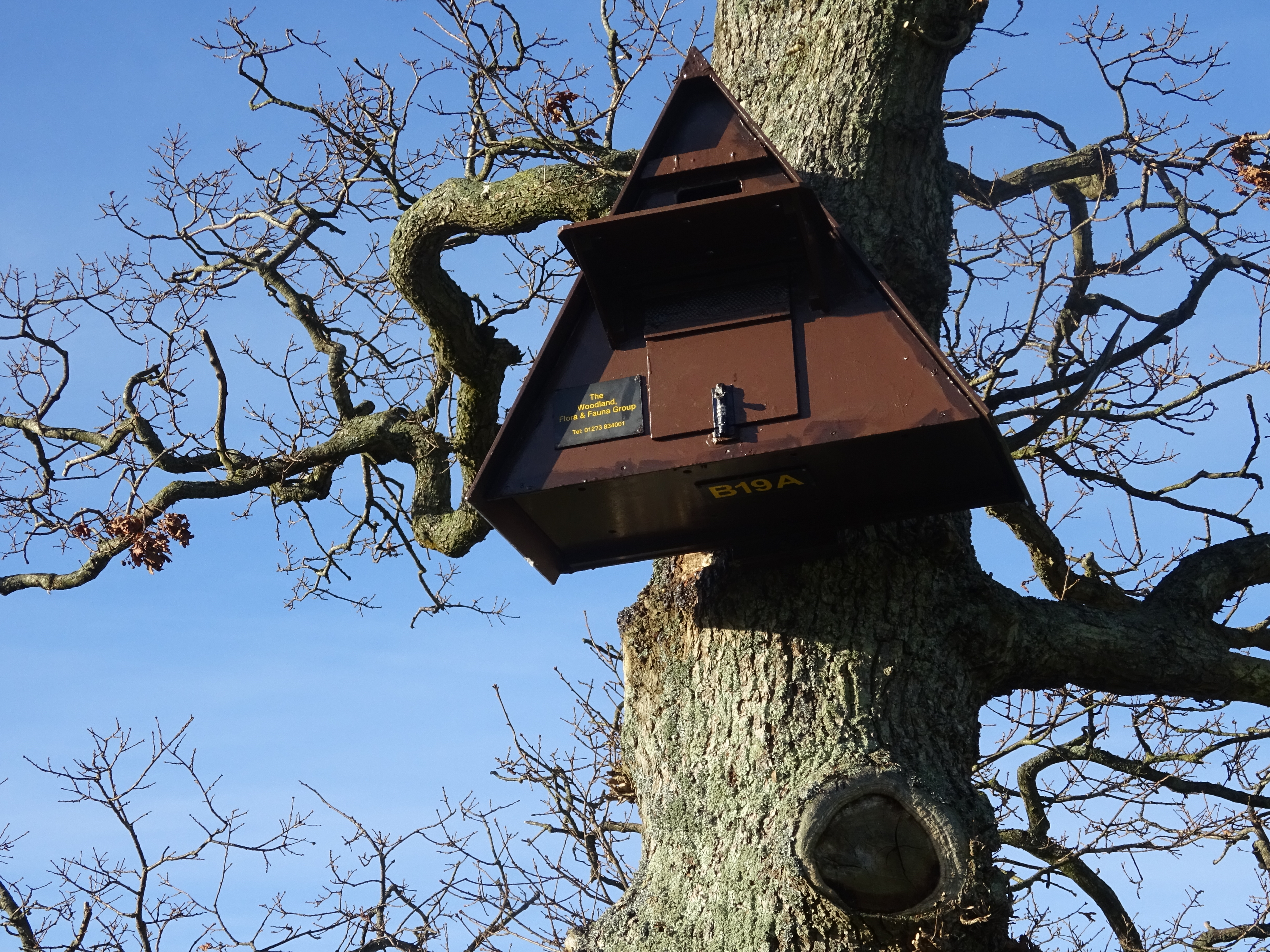 One of the scores of barn owl boxes installed across our large conservation area.
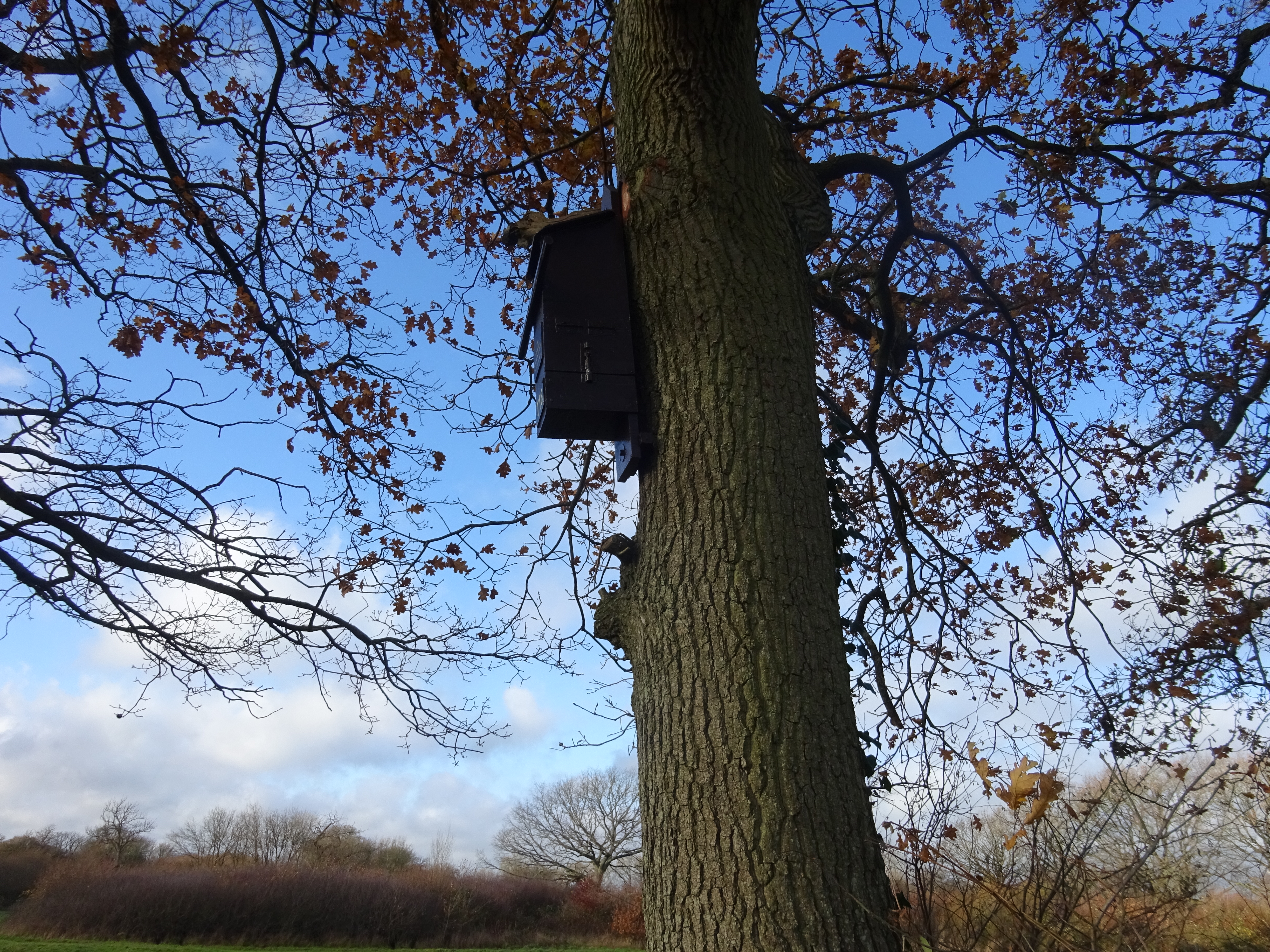 One of the many tawny owl boxes erected in our local countryside.
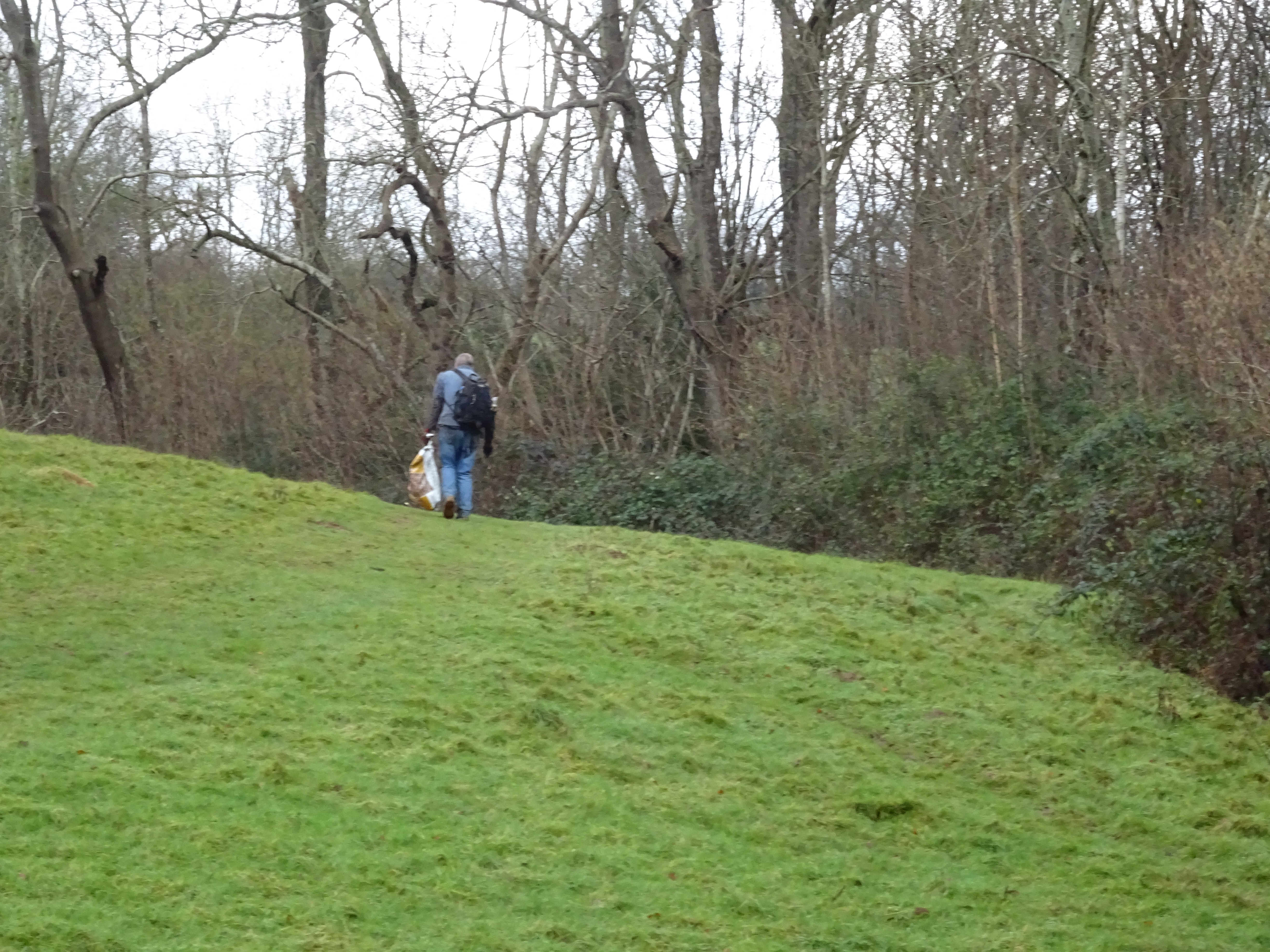 Each box visited requires a long trek over waterlogged fields carrying heavy equipment.
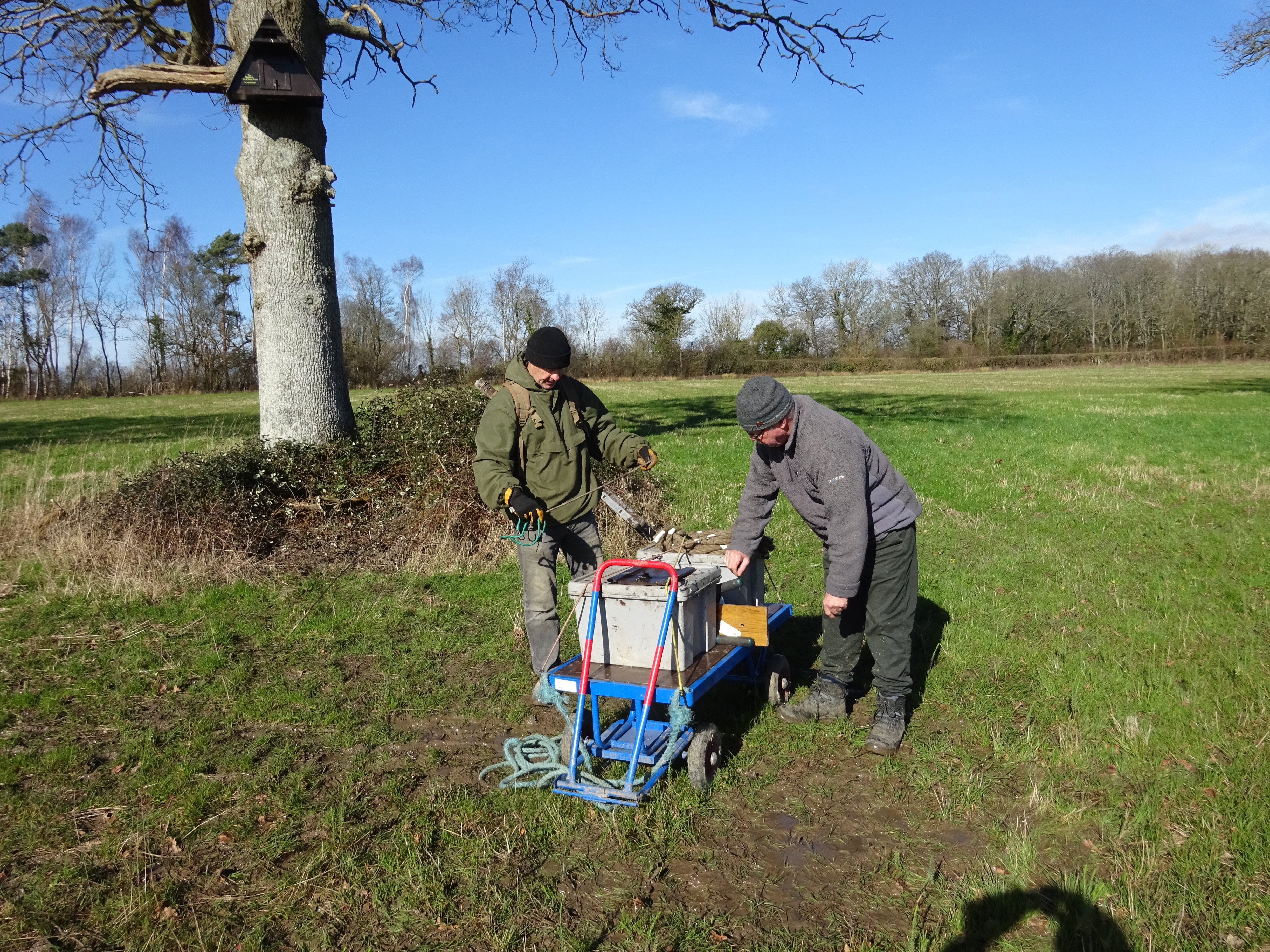 A team of fit and strong people is necessary to help with the task in the soggy ground conditions.
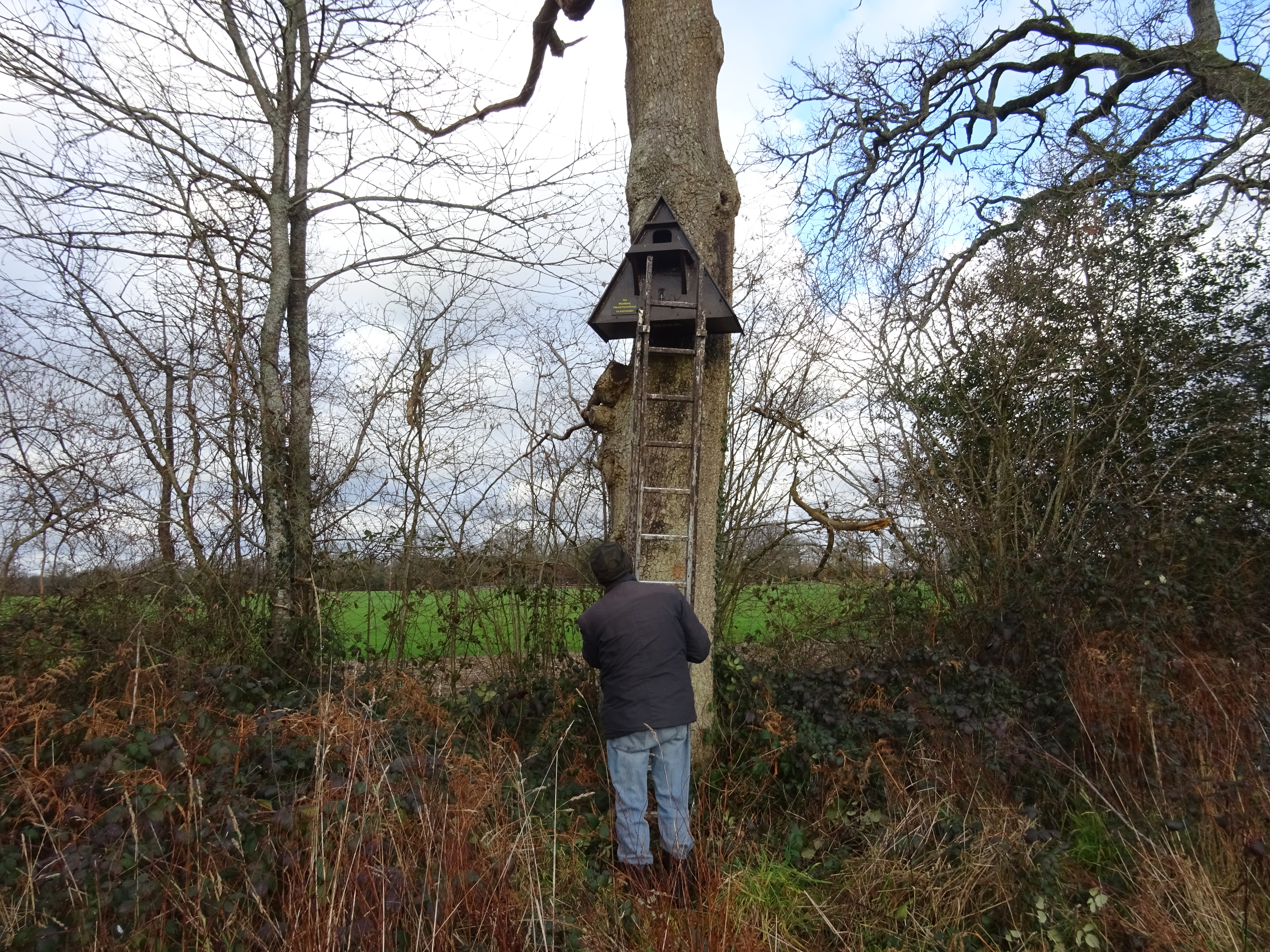 Ladders must be transported to gain access to each box.
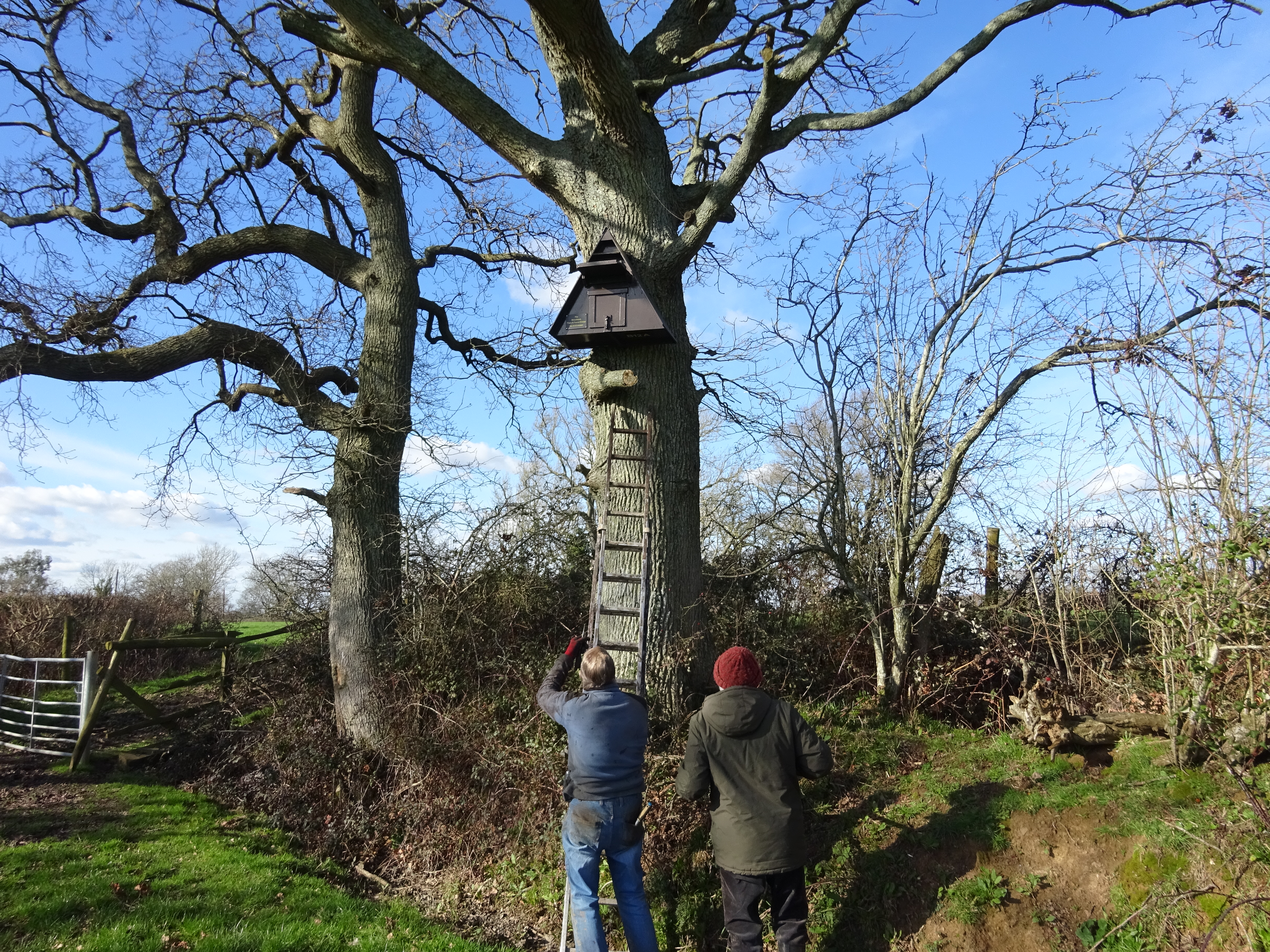 With varying terrain and ground conditions at each location, the stable mounting of the ladders is critical to safe working.
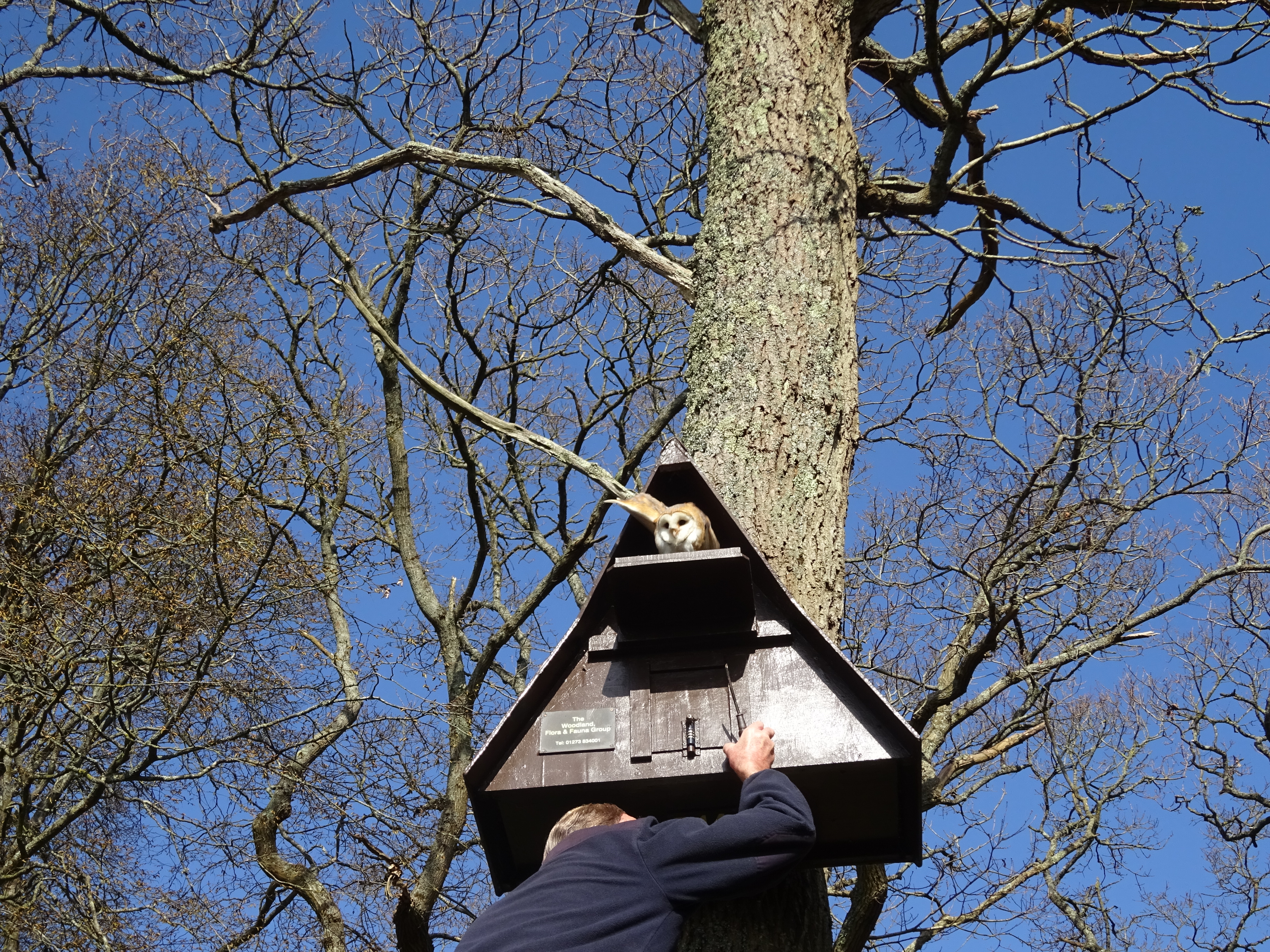 When ladders are positioned, this is usually the point any barn owl resident temporarily vacates the box, as seen here.
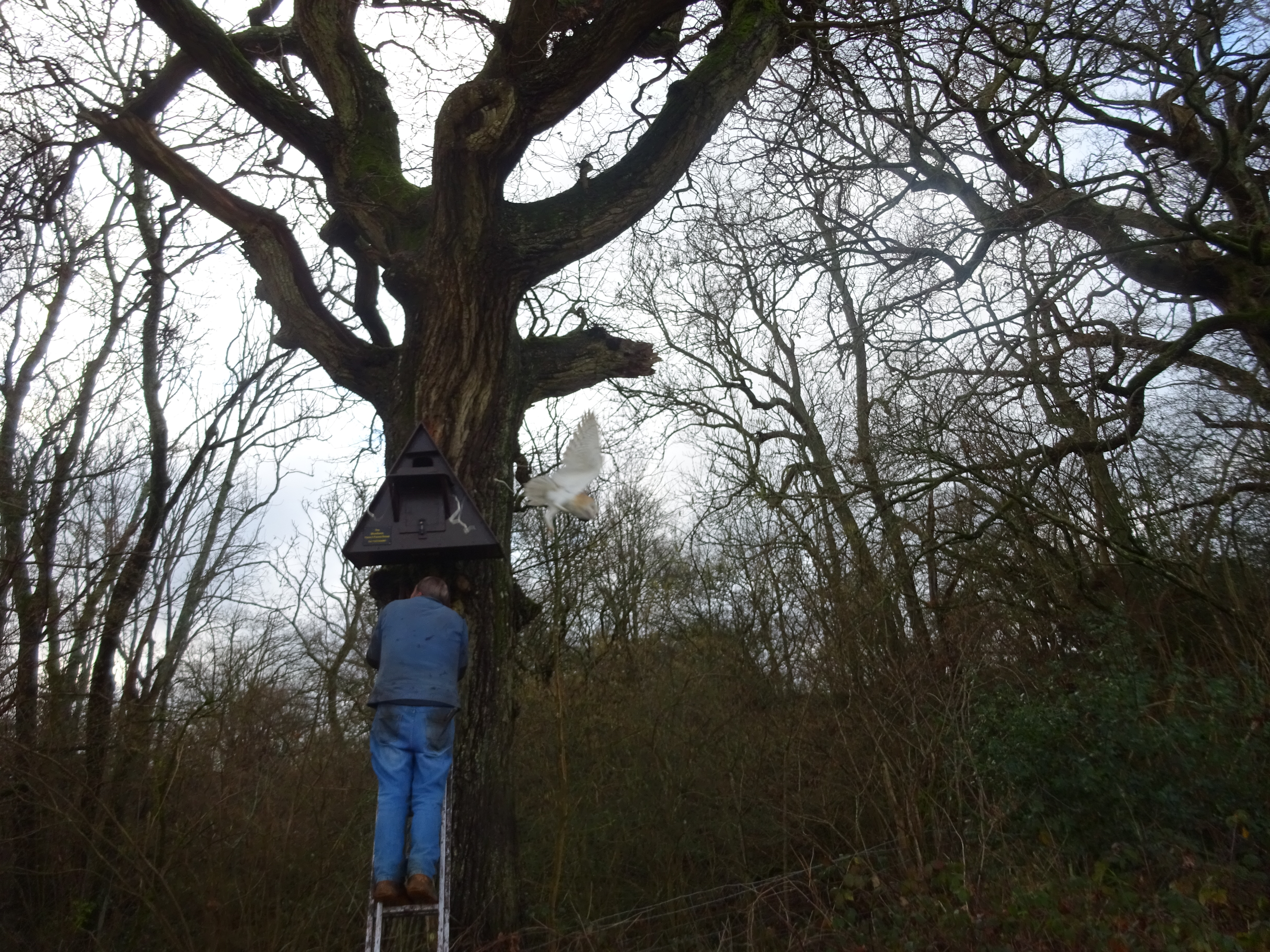 This is usually accompanied by an ejection of a streak of defensive owl ‘whitewash’ (as seen above) which we hurriedly duck.
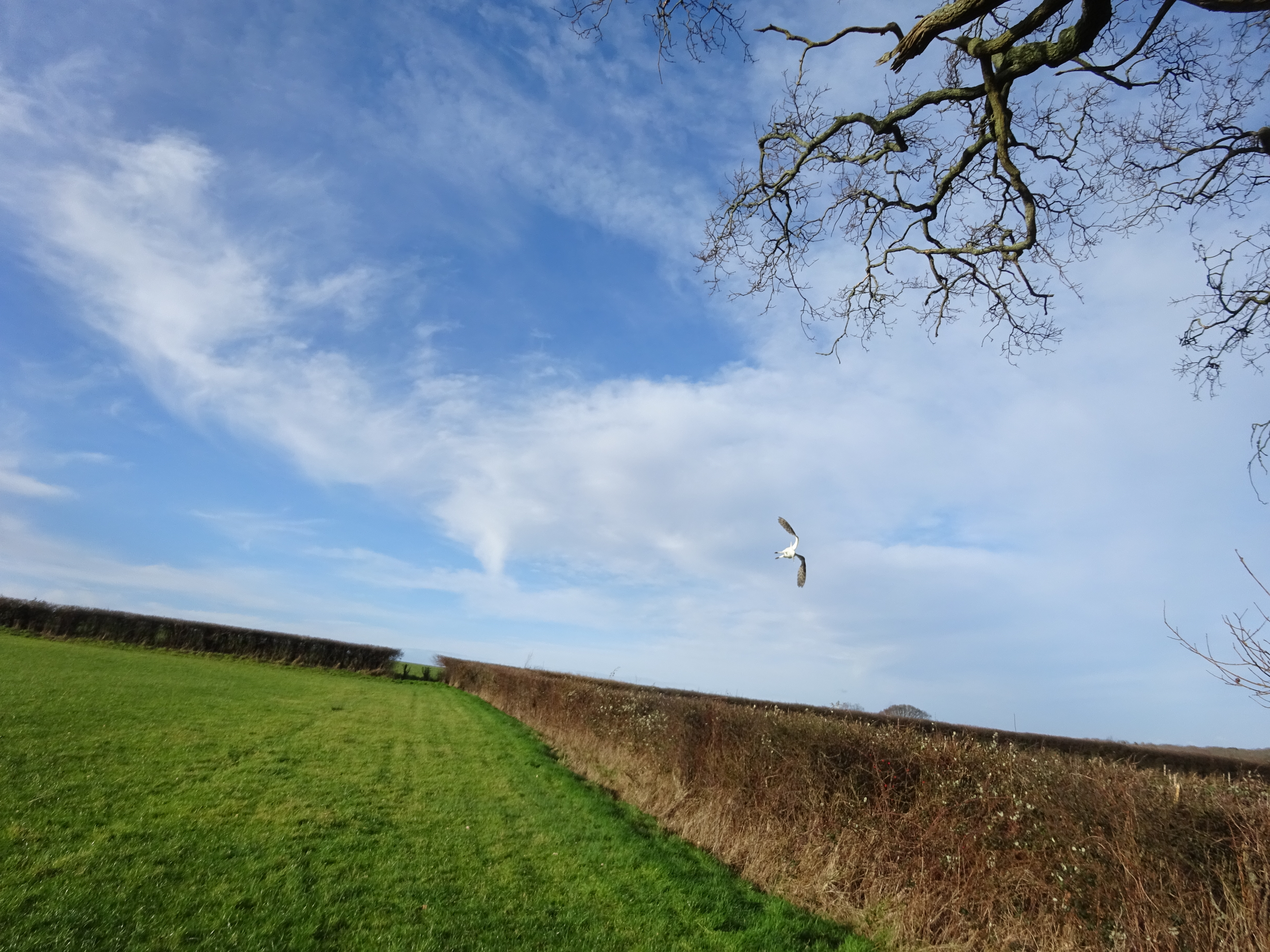 The resident owls usually fly to a nearby tree and return when our work is completed.
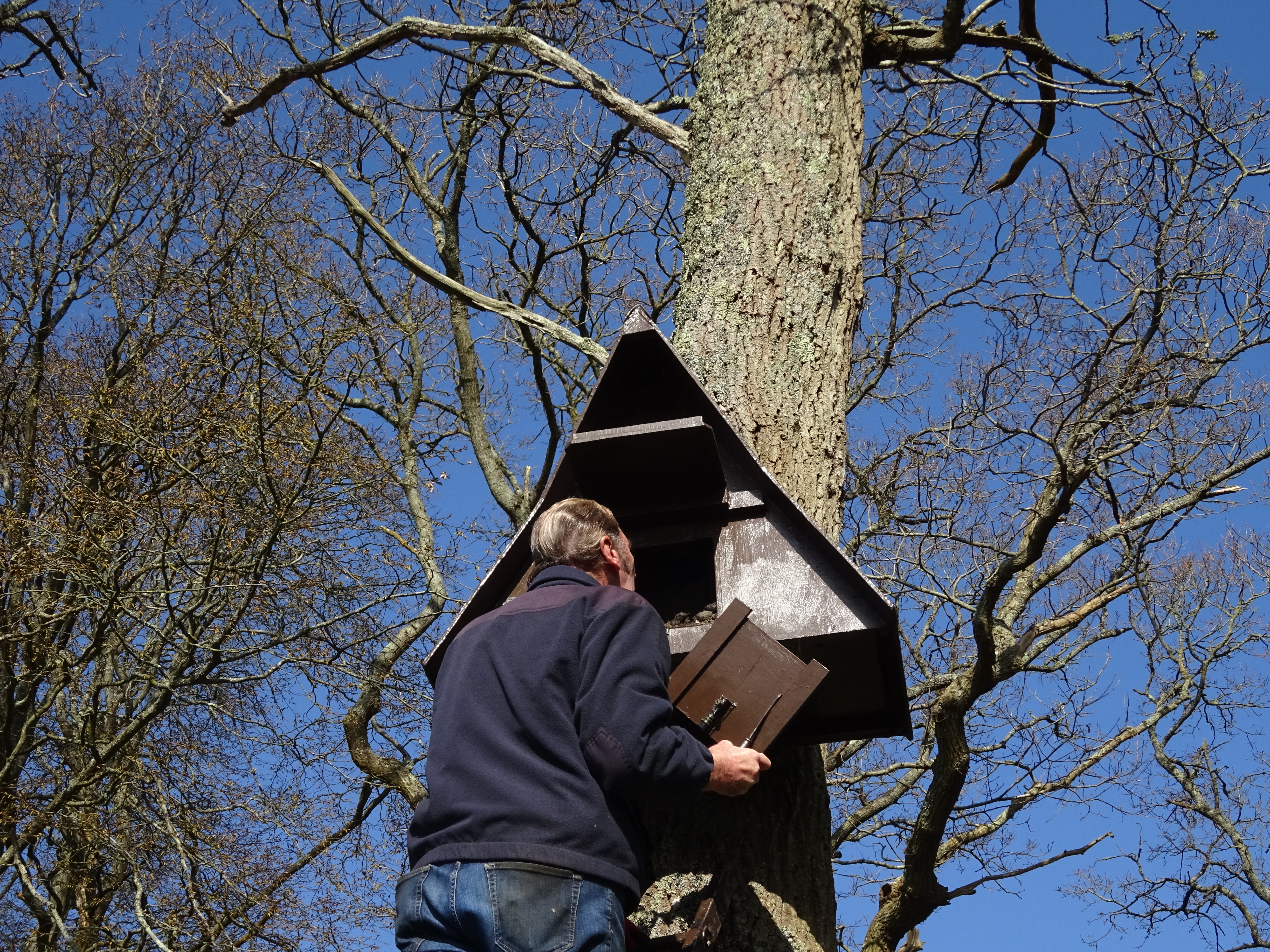 An initial inspection is then carried out to check inside and assess any damage.
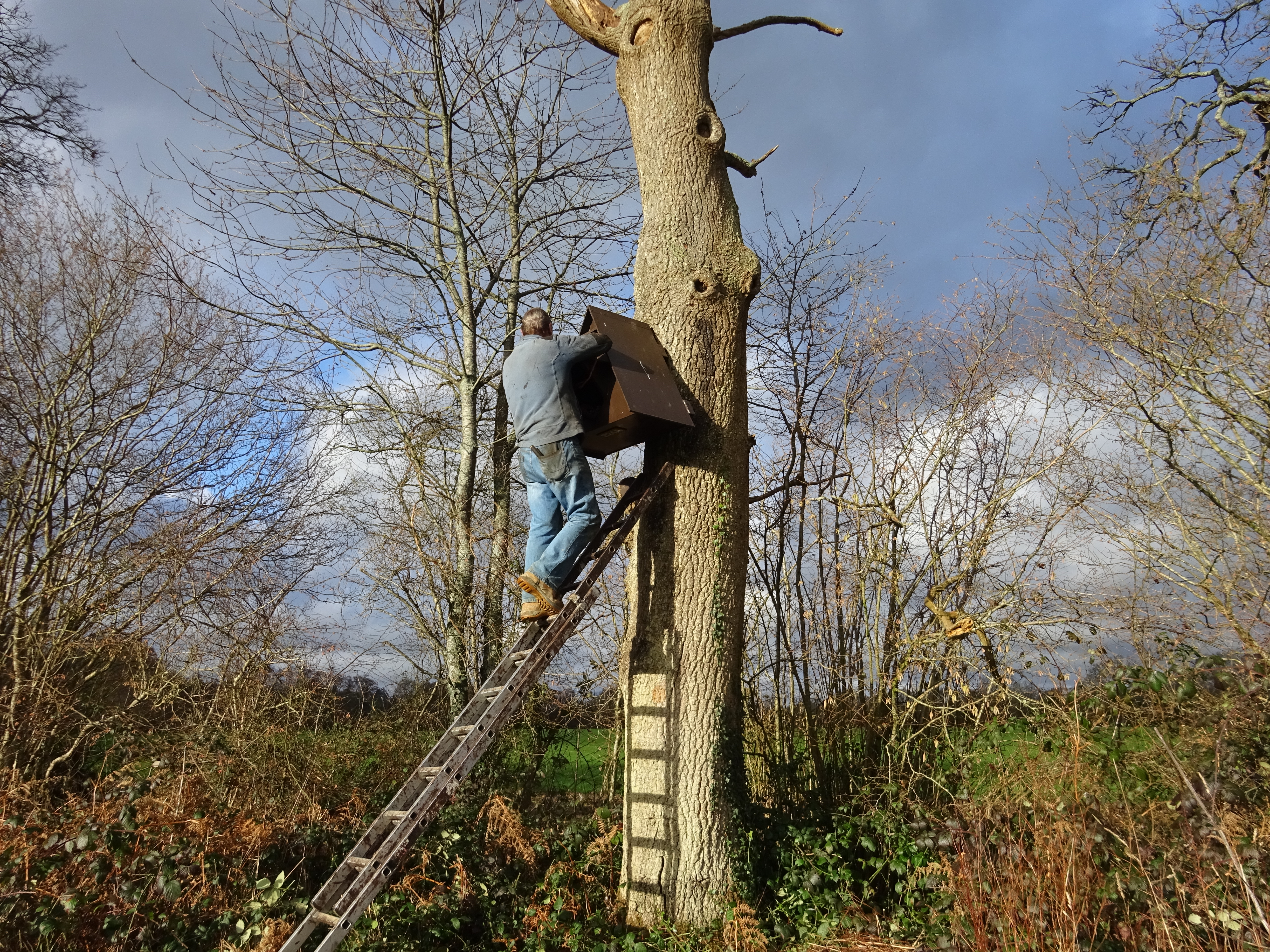 All soiled nesting debris inside is then removed. For this the ladder is inclined less steeply to prevent being engulfed by the cascading contents which are usually undesirable to encounter closely.
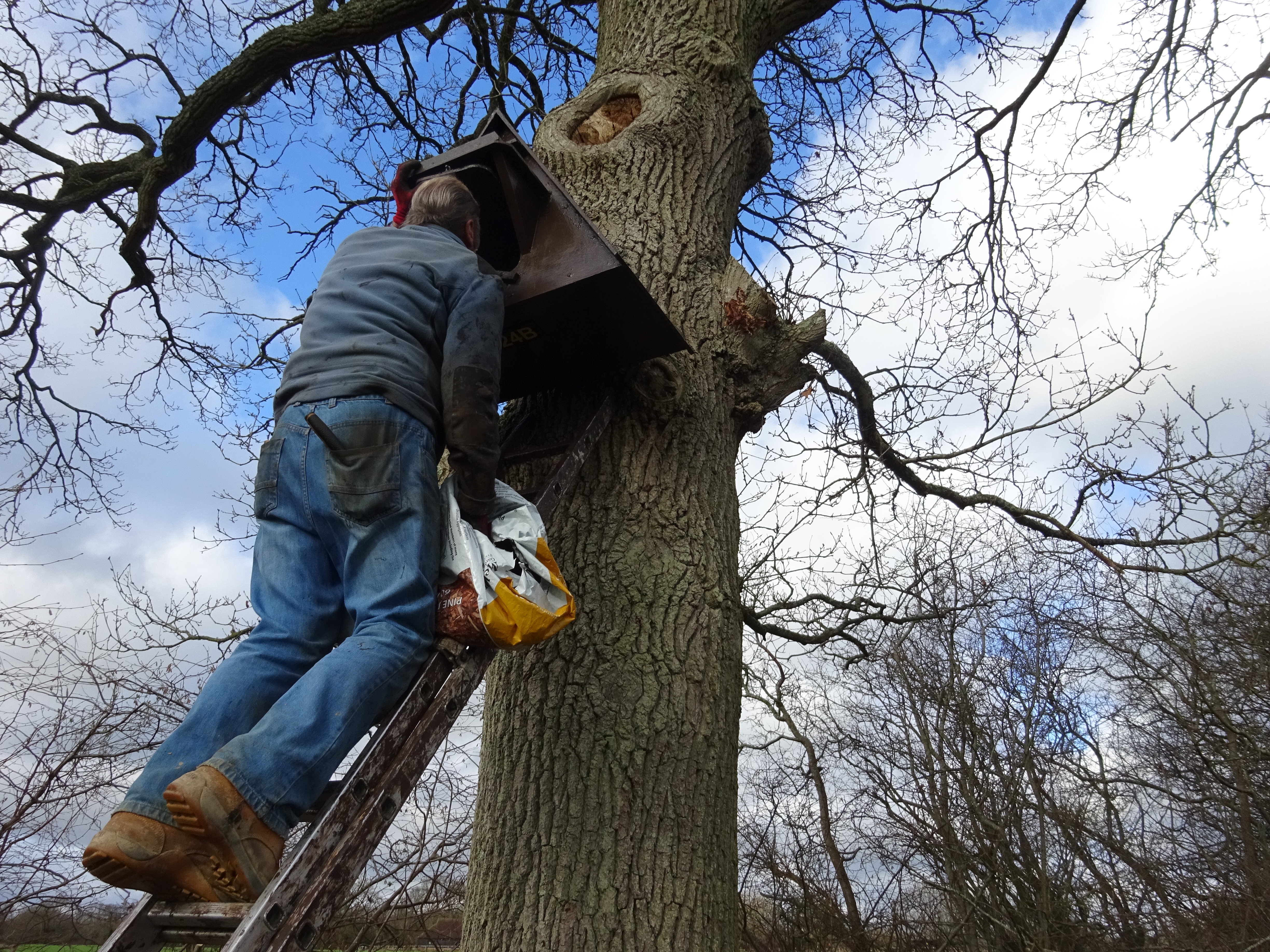 A team member then disinfects the box and refills it with clean bedding material.
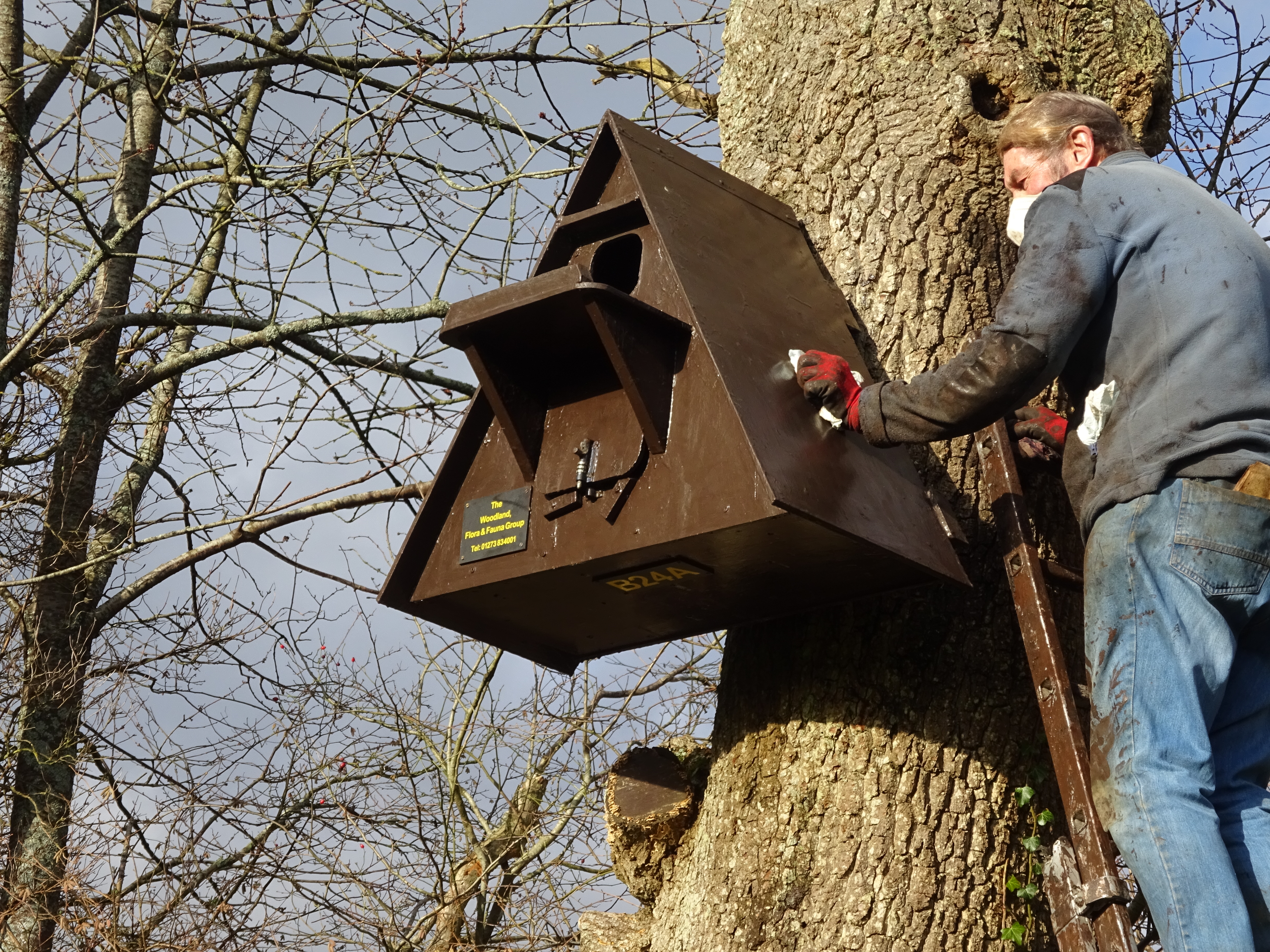 Any structural damage is repaired and repainted.
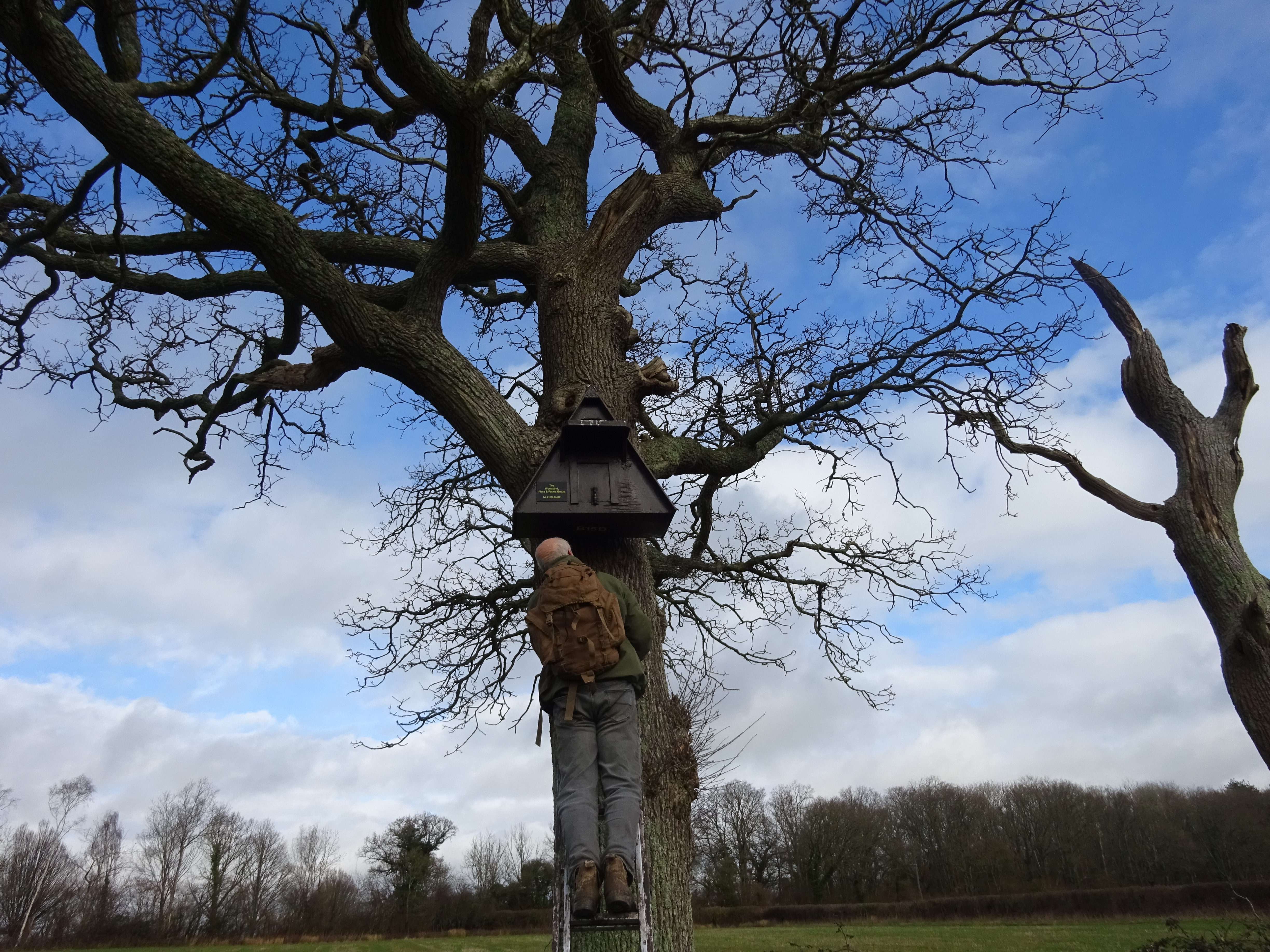 Some boxes like this one, were found to be too damaged to maintain.
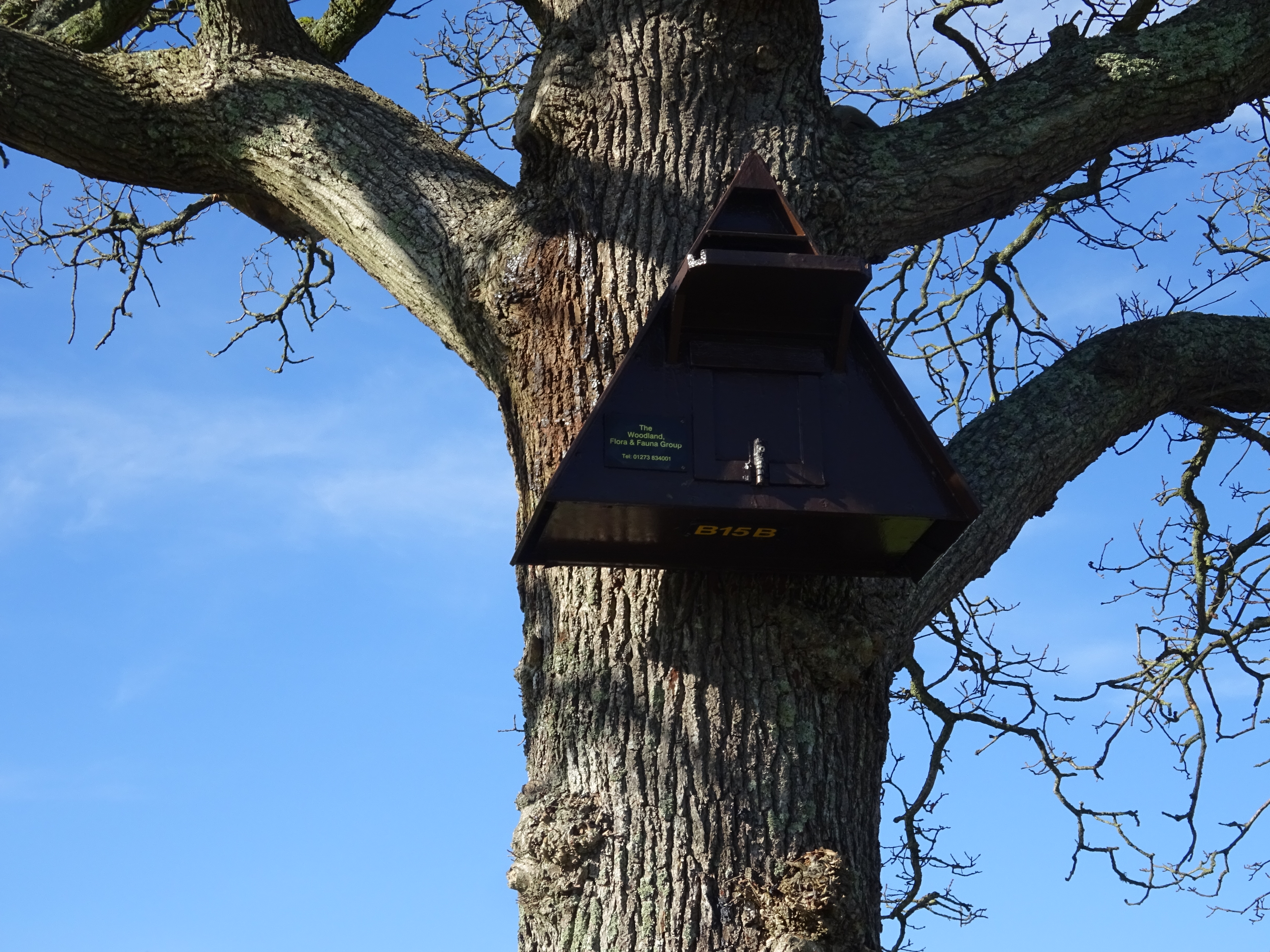 These had to be quickly replaced with a new box, as pictured above after erection, so that a every location provides a suitable, weatherproof, clean, and safe roosting environment for the owls residing in our conservation area.
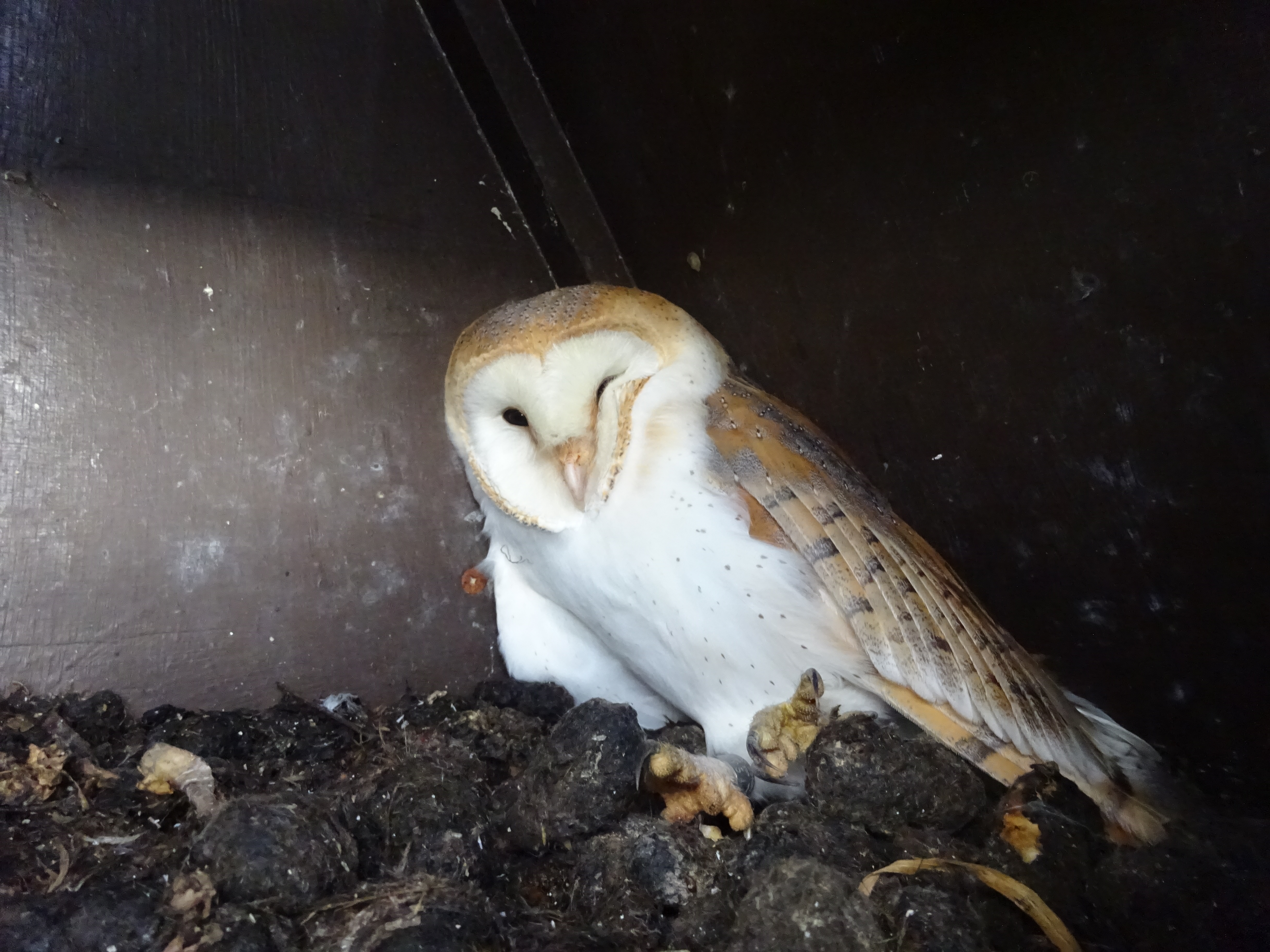 When completed we close the box and depart to the next one, to allow the owls like this beautiful female who was initially reluctant to move, to return.
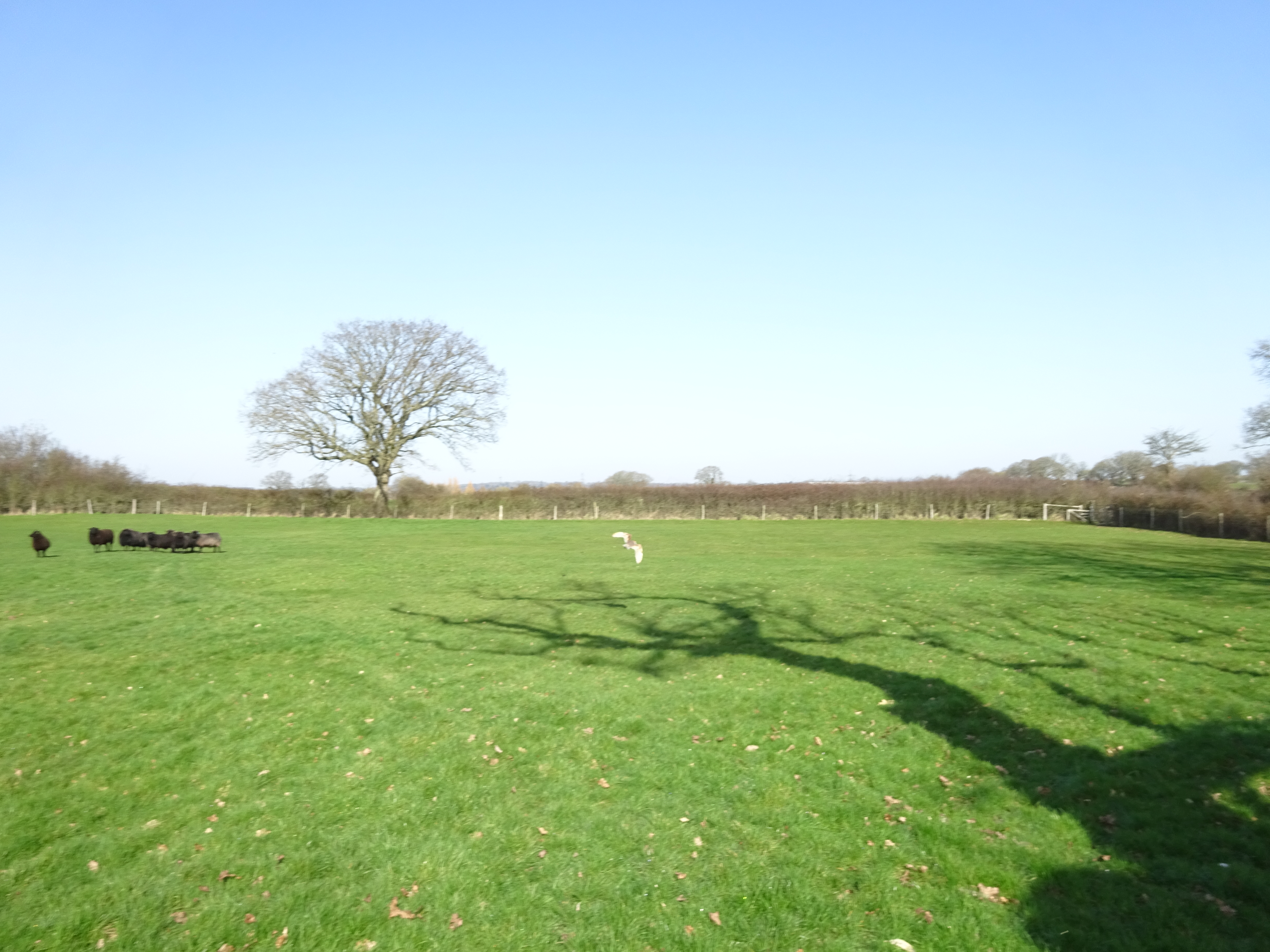 As she left, we were treated to one of the most rewarding sights experienced in our work, to witness a healthy barn owl gracefully flying across our local countryside. Their continuing welfare being the motivation that drives us on through the often daunting obstacles we have to navigate.