The dominant theme for all our wildlife projects this year, was to find suitable weather to undertake them. The warm summer period was not a problem for undertaking breeding checks, but we were struggling with a backlog of other seasonal tasks due to the intensely wet early months of the year which had prevented scheduled work from being undertaken. Too many delayed tasks had to be addressed in the period of dry weather that followed. Then the summer interval was followed by yet more continuous wet weather, which further compounded our difficulties. Despite this our volunteers responded magnificently to all requests to check wildlife, even in the latter months, when we were once again grabbing at any dry interval that suddenly appeared in the fluctuating but predominantly wet forecast.
Our barn owl, kestrel and tawny owl breeding checks were fortunately undertaken in the calmer period of weather that followed the early season ‘monsoon’ period. The earlier weather throughout winter and spring had unfortunately, dramatically reduced the breeding of the voles, mice and other prey that these species rely upon to raise their young. Without sufficient prey to raise their offspring , nature instills the sense into these species to refrain from breeding. This was certainly the case this year with our adult barn owl population, and this resulted in one of the worst years for breeding for decades across the majority of the country.
In our huge owl conservation area in southern Mid Sussex, we only had one pairing of barn owls that produced young. All other adults were found roosting in pairs in their boxes but many had entered their moult phase, which normally happens after they have raised their young and are freed from the responsibility of nurturing them. It generally is a sign that no further breeding will take place that year.
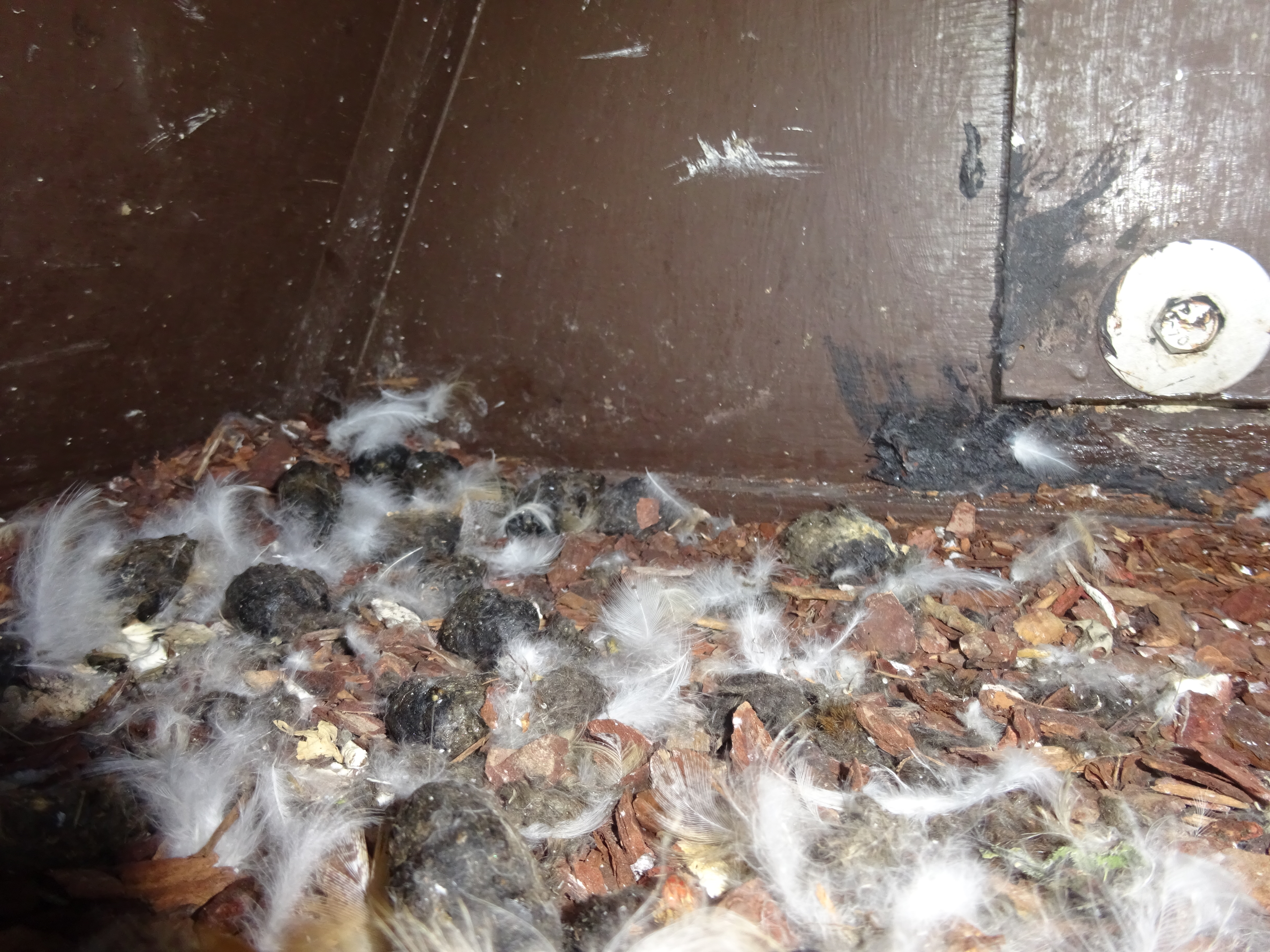 Many boxes like this one, contained only feathers from the occupants beginning their moult.
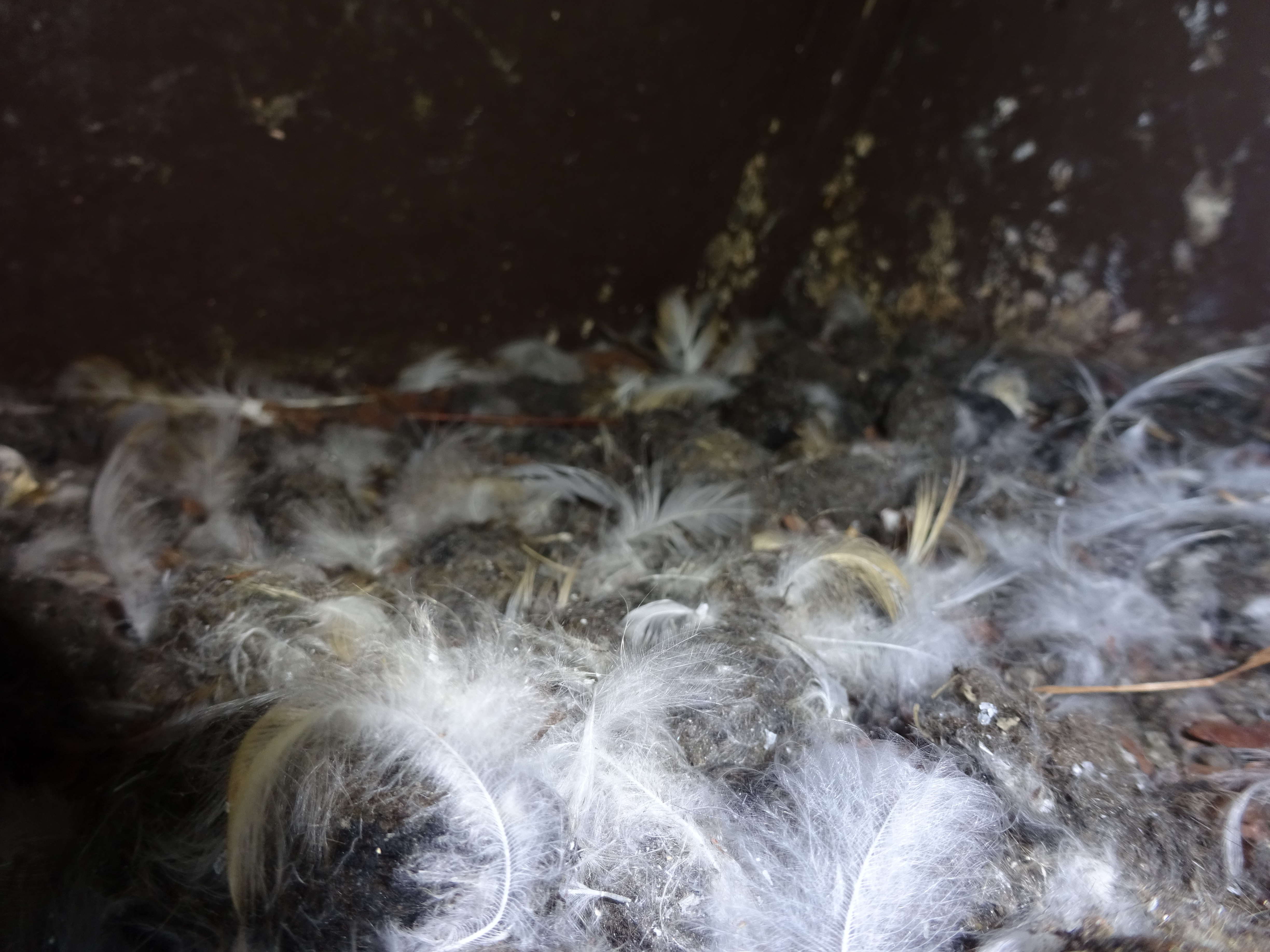 In every box where adult pairs were found roosting together, the same layer of feathers were discovered.
The one successful pairing had produced three bonny chicks which when first visited, were accompanied by their mother who refused to leave them. The first visit was therefore concluded quickly, so that she wasn’t disturbed for too long, having already estimated the age of the youngsters for a return visit later to ring and record them.
We had two other boxes elsewhere in our conservation area which had four young kestrels breeding in each and another which was being utilised by tawny owls with a solitary youngster present. Other than those, our boxes were not the nursery of next generation birds that we usually experience. With survival expectancy of barn owls and kestrels in the first year being only one survivor for every three born, too many winters like the last one will erode their population numbers over time, and make their breeds endangered again. Barn owls were on the amber list of endangered species until 2015, when thanks to efforts from groups like ours across the country, their numbers progressively rose and they were green listed once again. Kestrels are still amber listed. With the populations having crashed last year, recovery is dependent on a good year in 2026. With over 80% of barn owls now reliant on boxes to survive, and less than a third of kestrels born surviving the first year, the work of licenced volunteer groups like The Woodland, Flora & Fauna Group who dedicate a considerable amount of their time to nurture these species, is vital to their survival.
In June we returned to the boxes with the breeding kestrels in to ring and record them. Later in the month we returned to the box with the young tawny owl in, but unfortunately it had disappeared from the box. Whether it had emerged from the box to take up residence in the tree, as they normally do for the latter weeks of their development, and been predated by one of the many buzzards that also inhabit the area, we will never know. The barn owl chicks however, had developed nicely and we returned at the predicted time in July when they were large enough to ring and record.
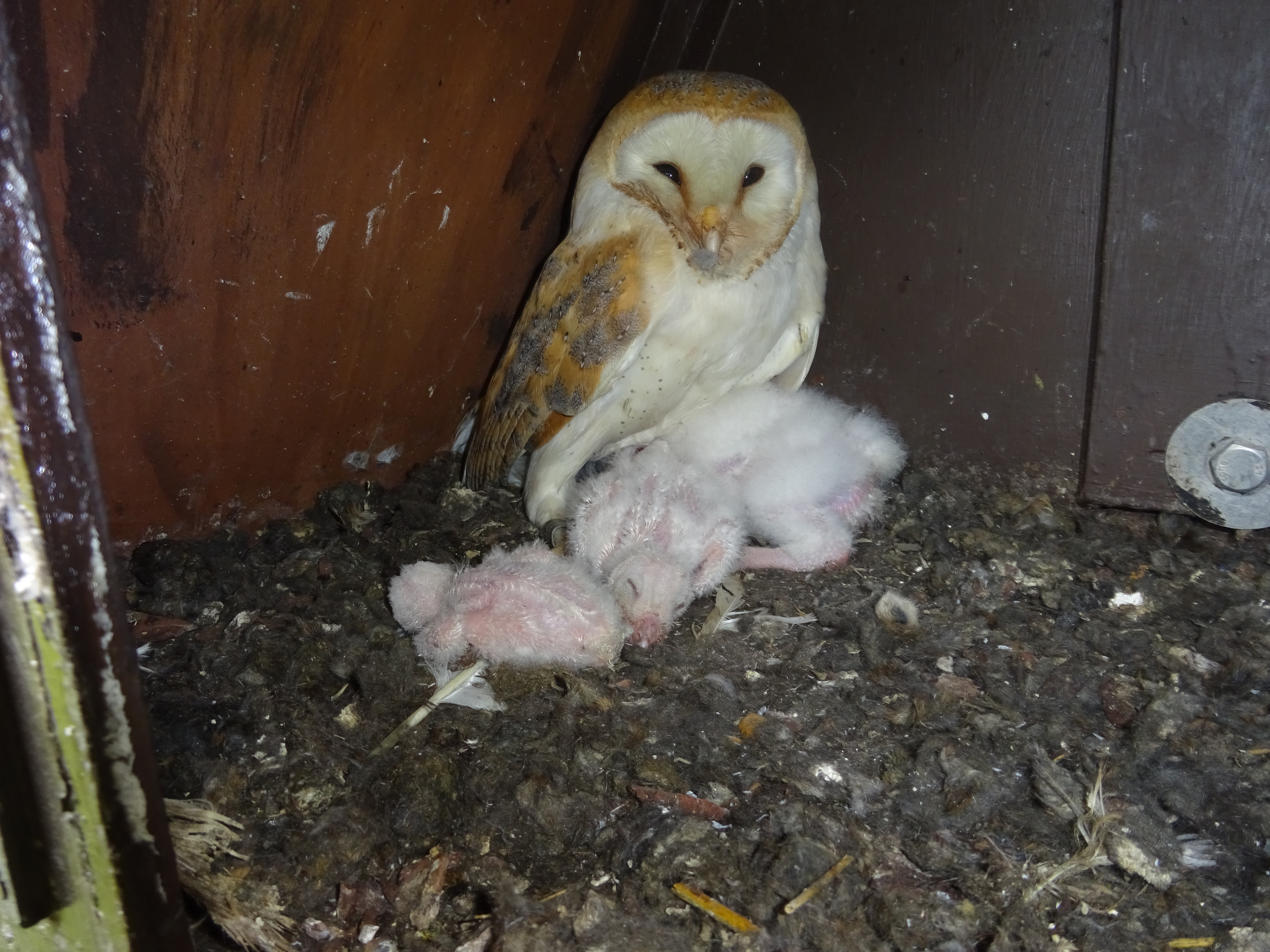 The picture shows the box which had a mother and three young in it on our initial visit. The mother was determinedly protecting her young, so was not disturbed further.
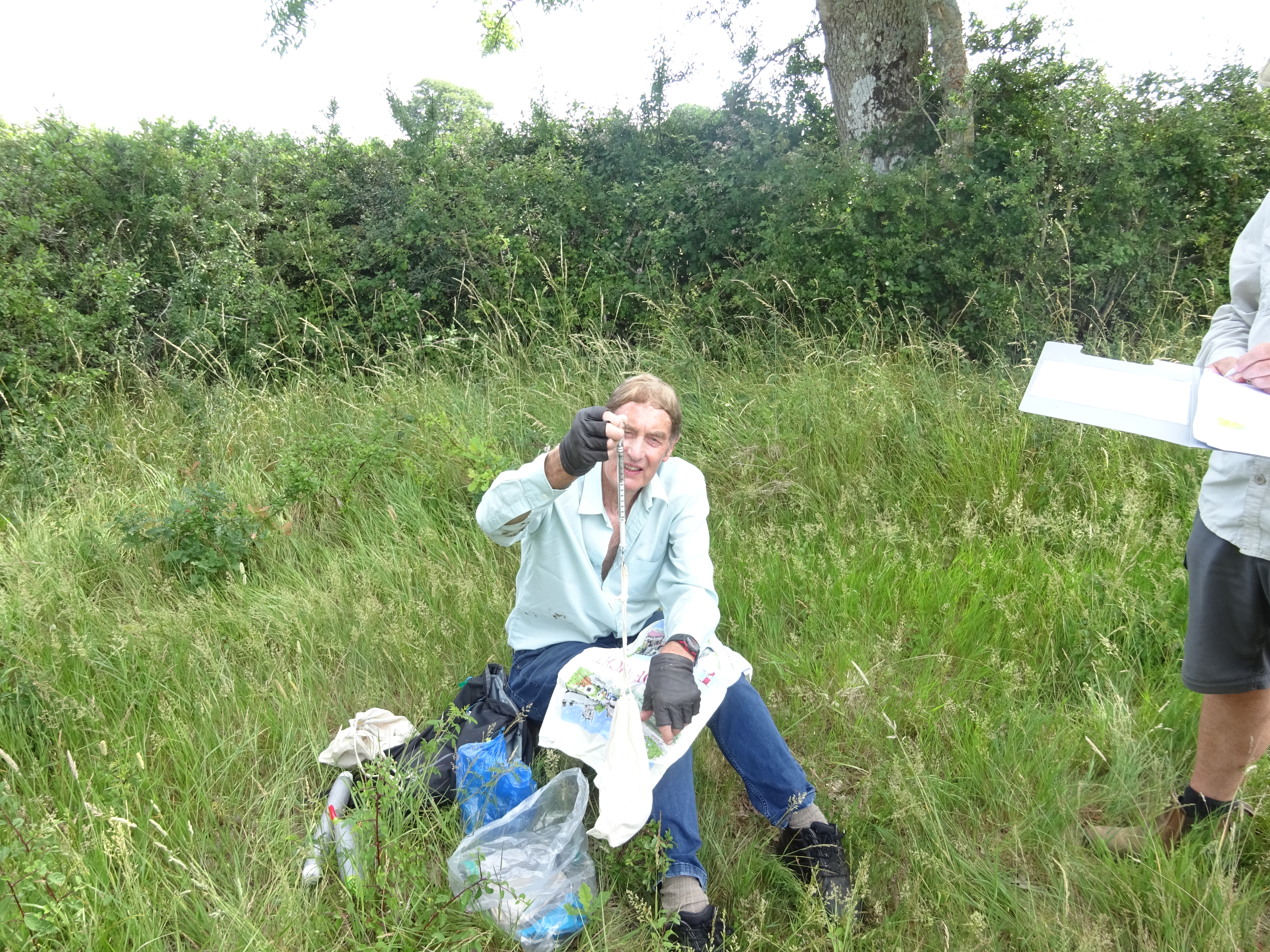 On our return visit when they had grown more, each young owl was removed from the box and weighed….
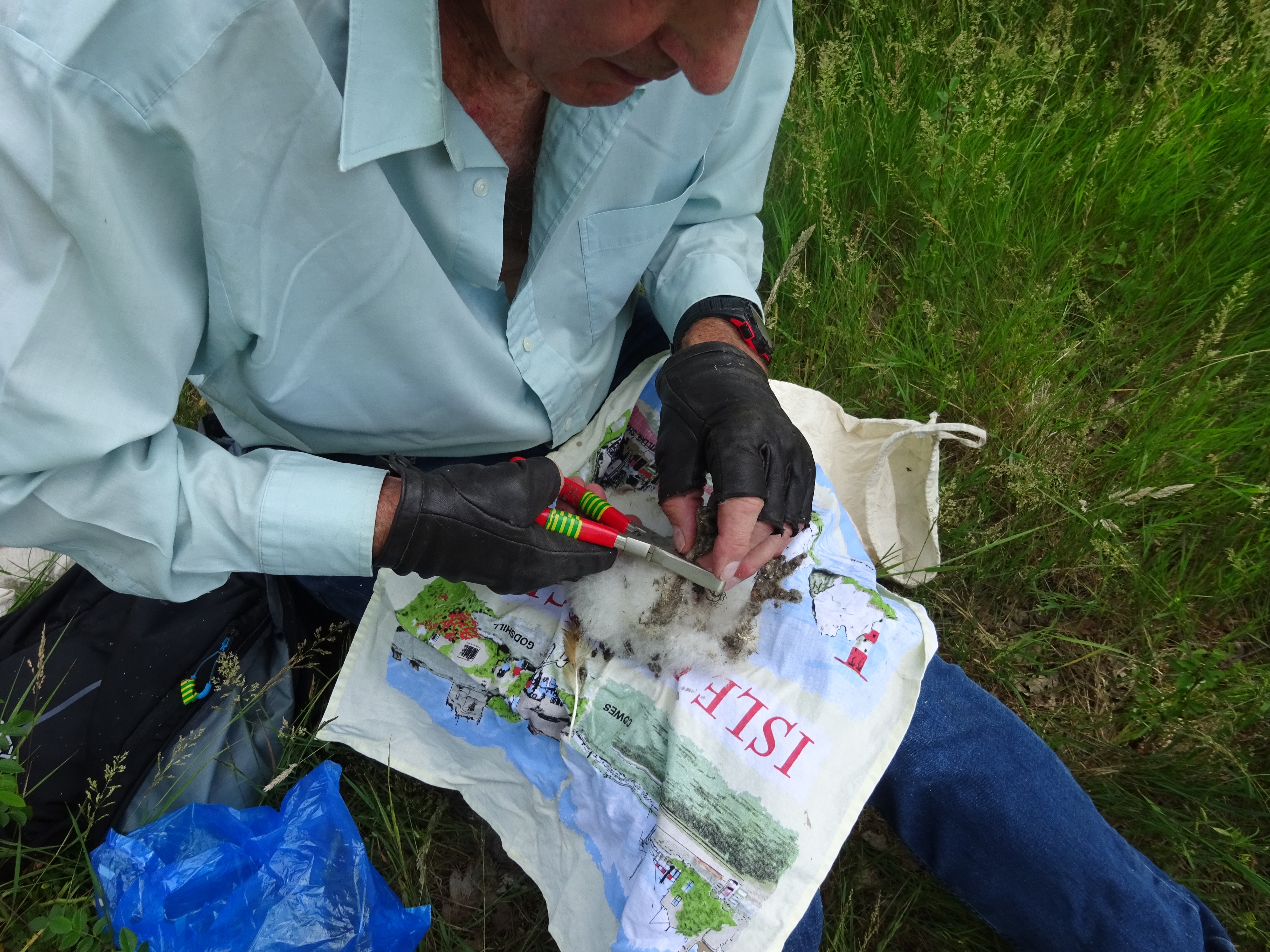 ….had a ring placed on its leg….
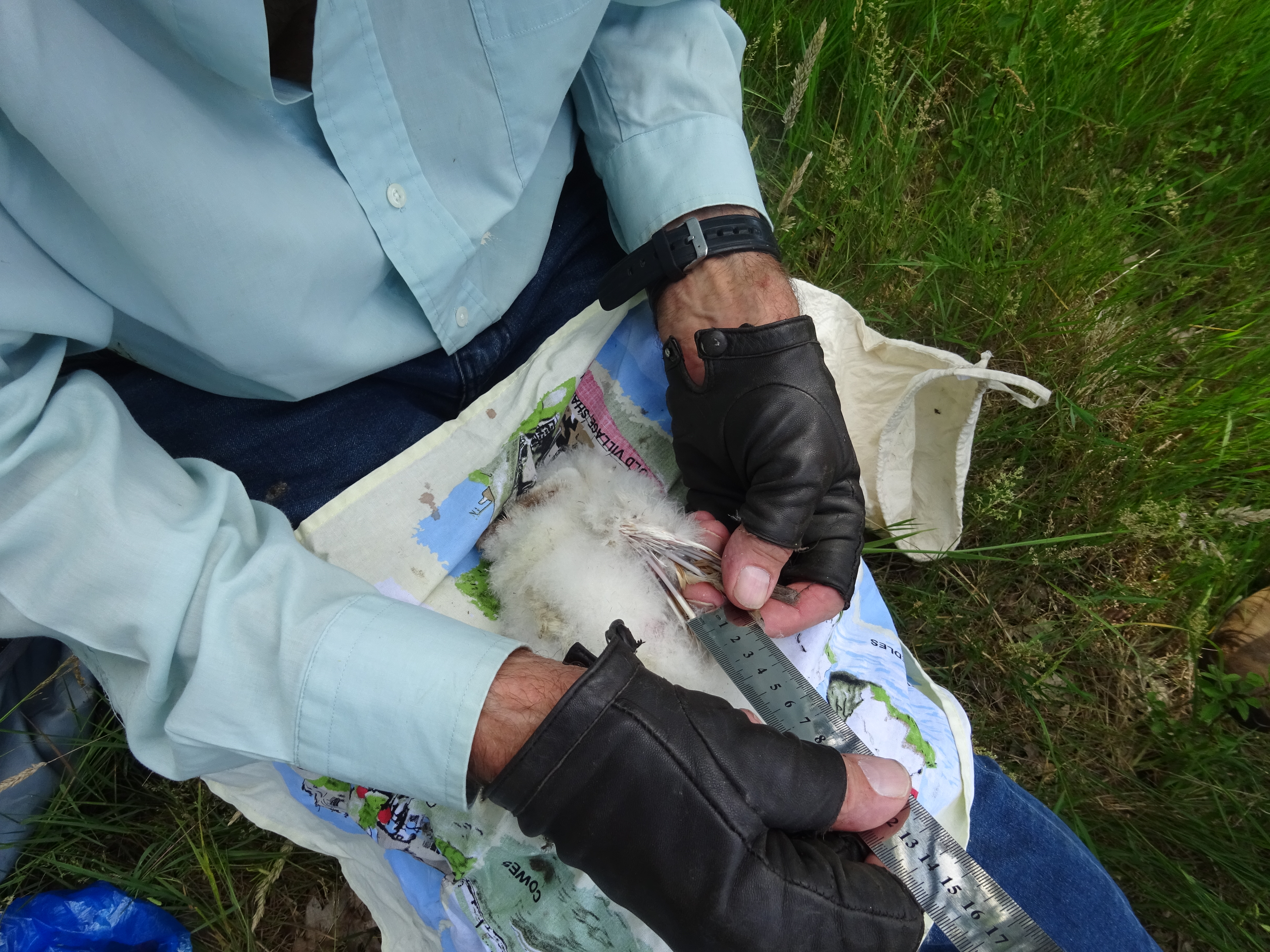 ….and was measured for growth and age determination.
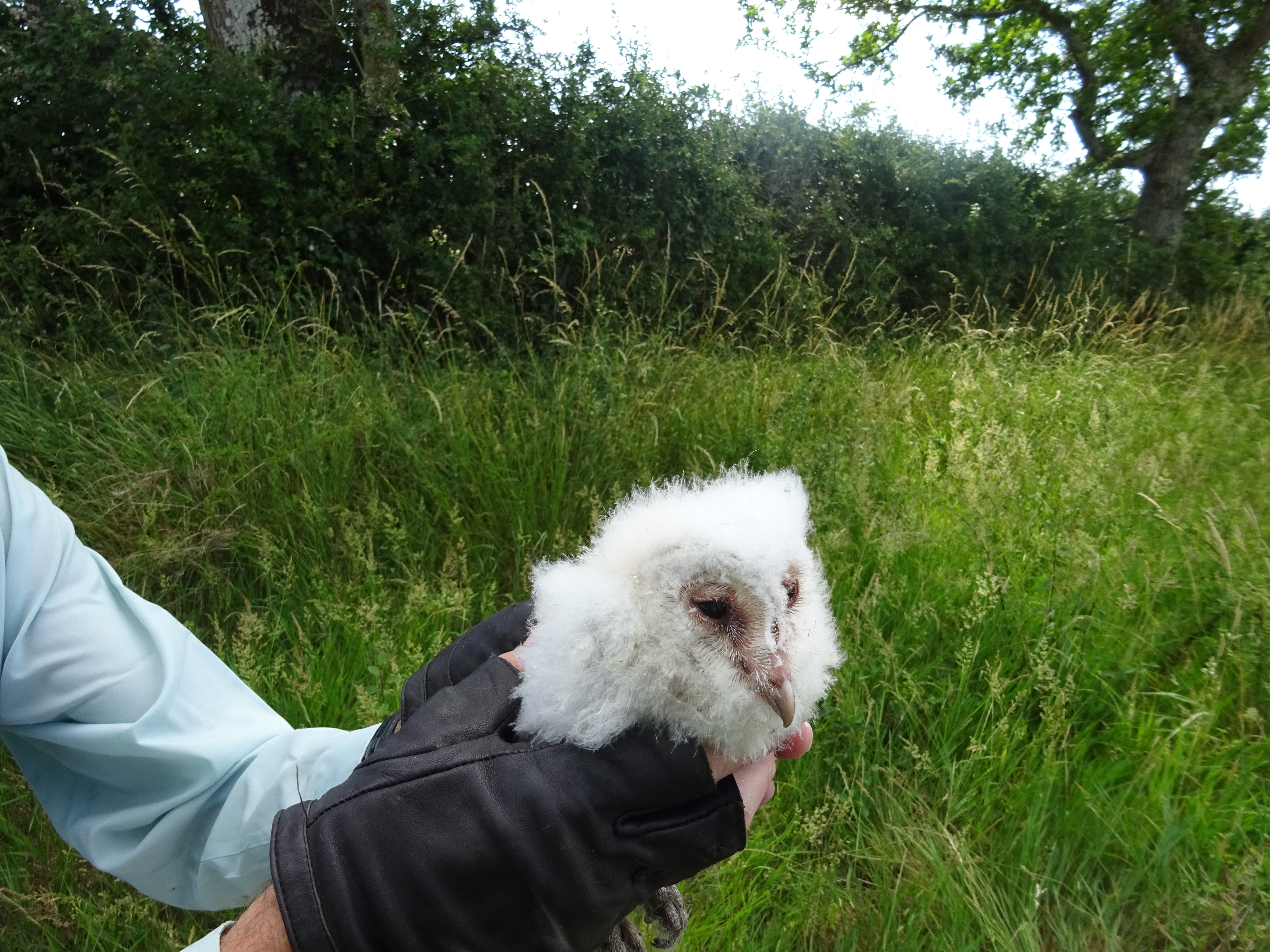 They also had their sex identified, with all the results recorded.
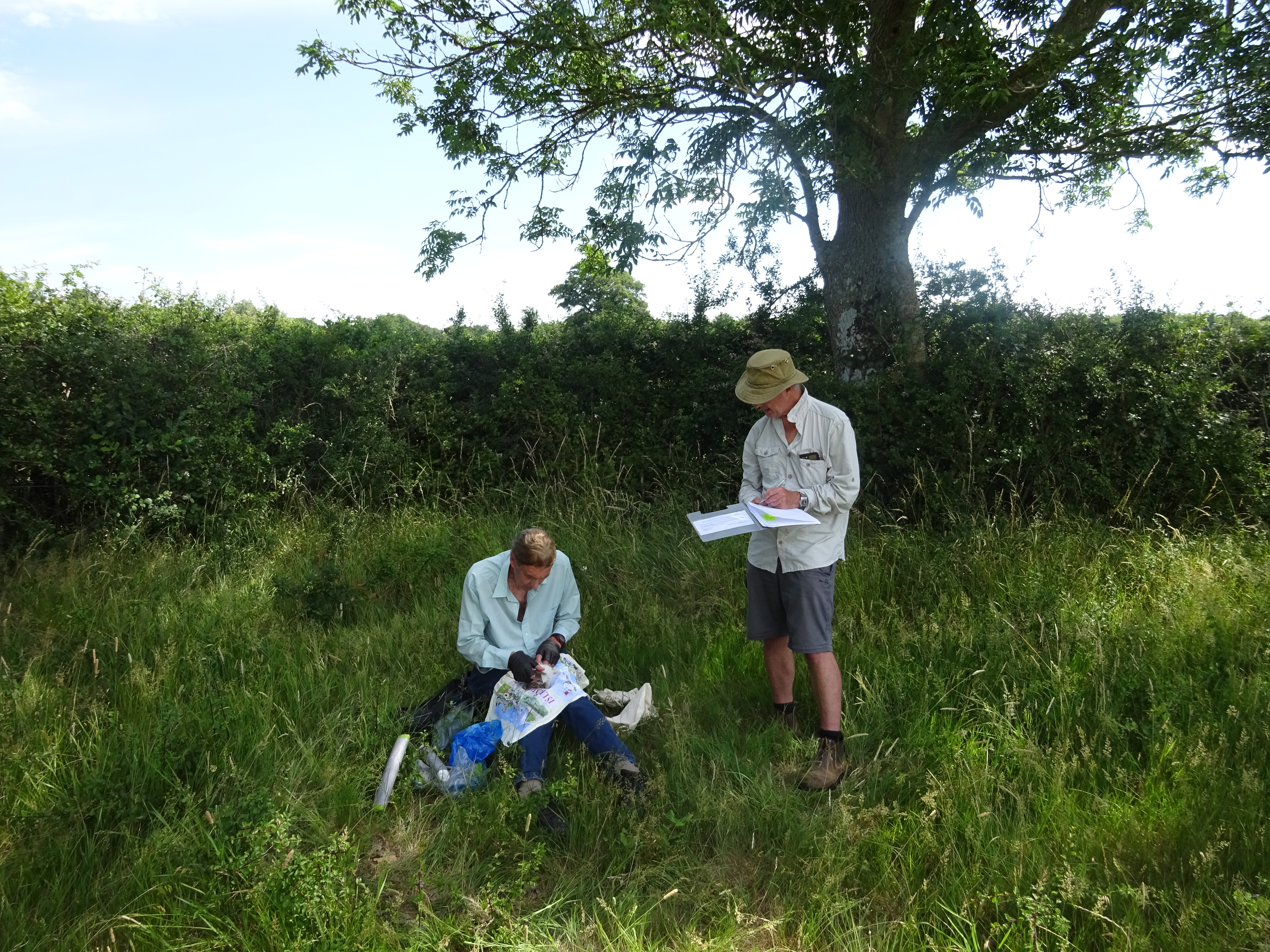 This process was repeated for each young barn owl.
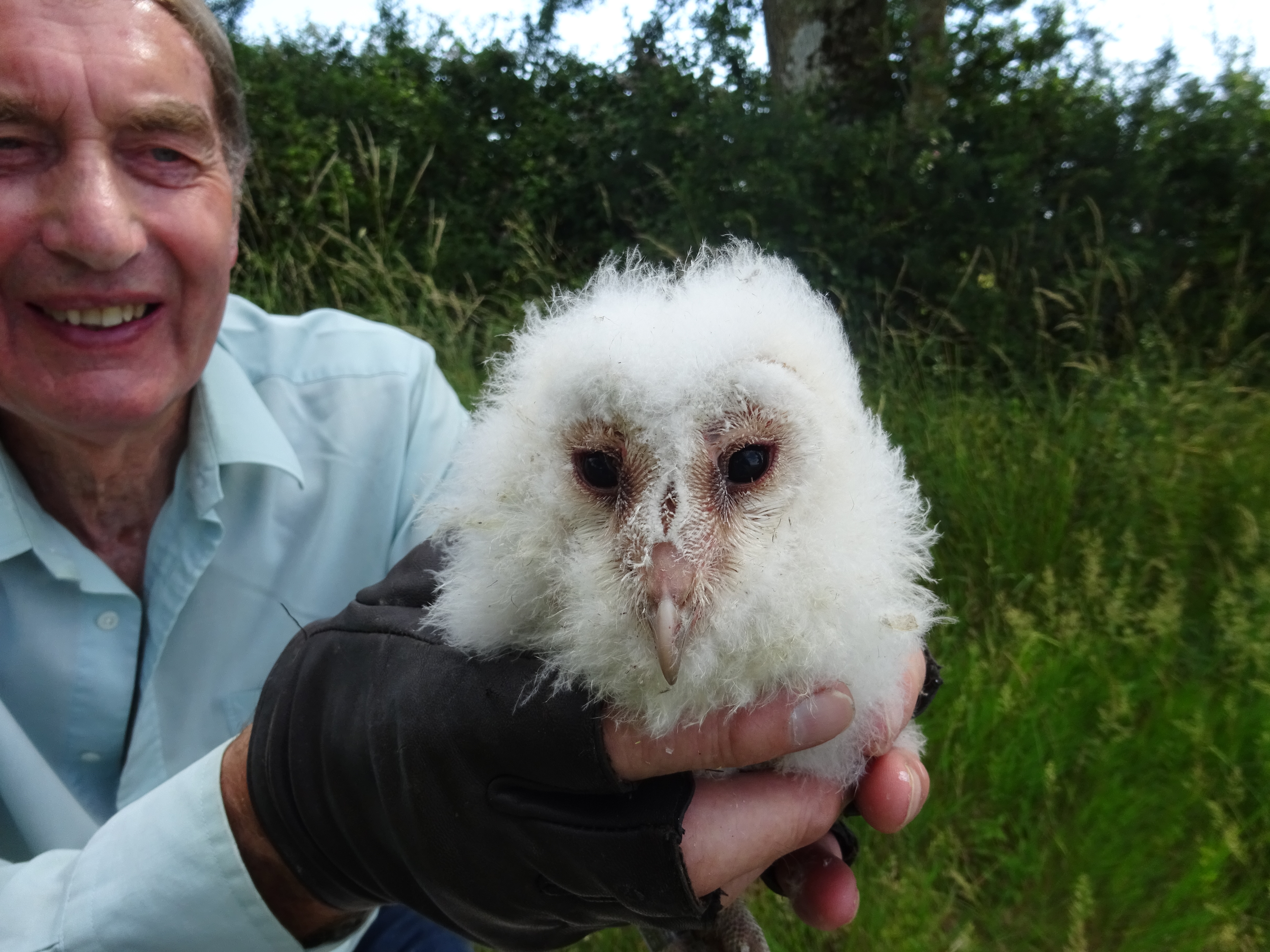 Every one was recorded separately….
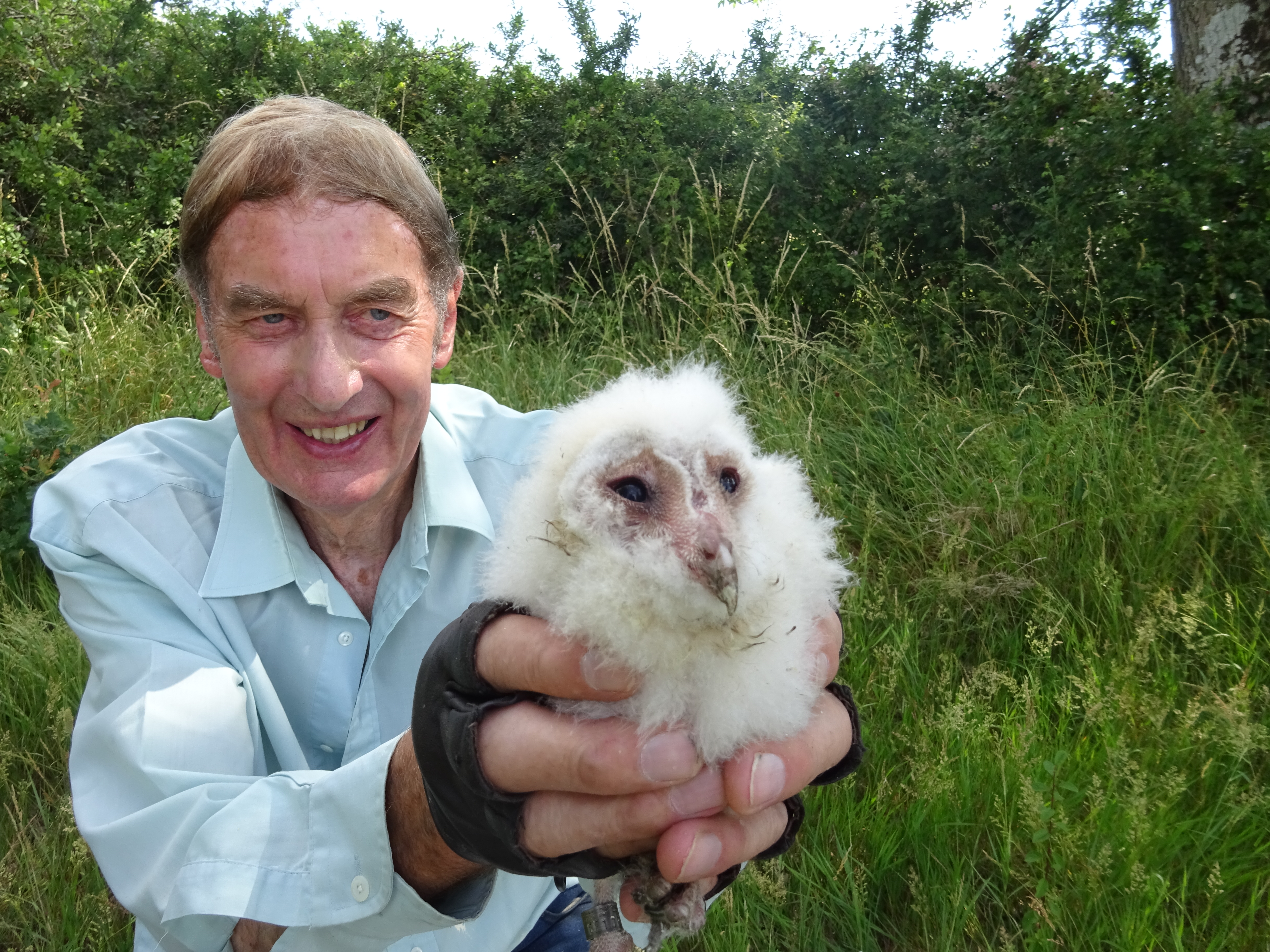 ….and then when the process was finished, was allowed to appreciate the world outside the box it was born in for the first time.
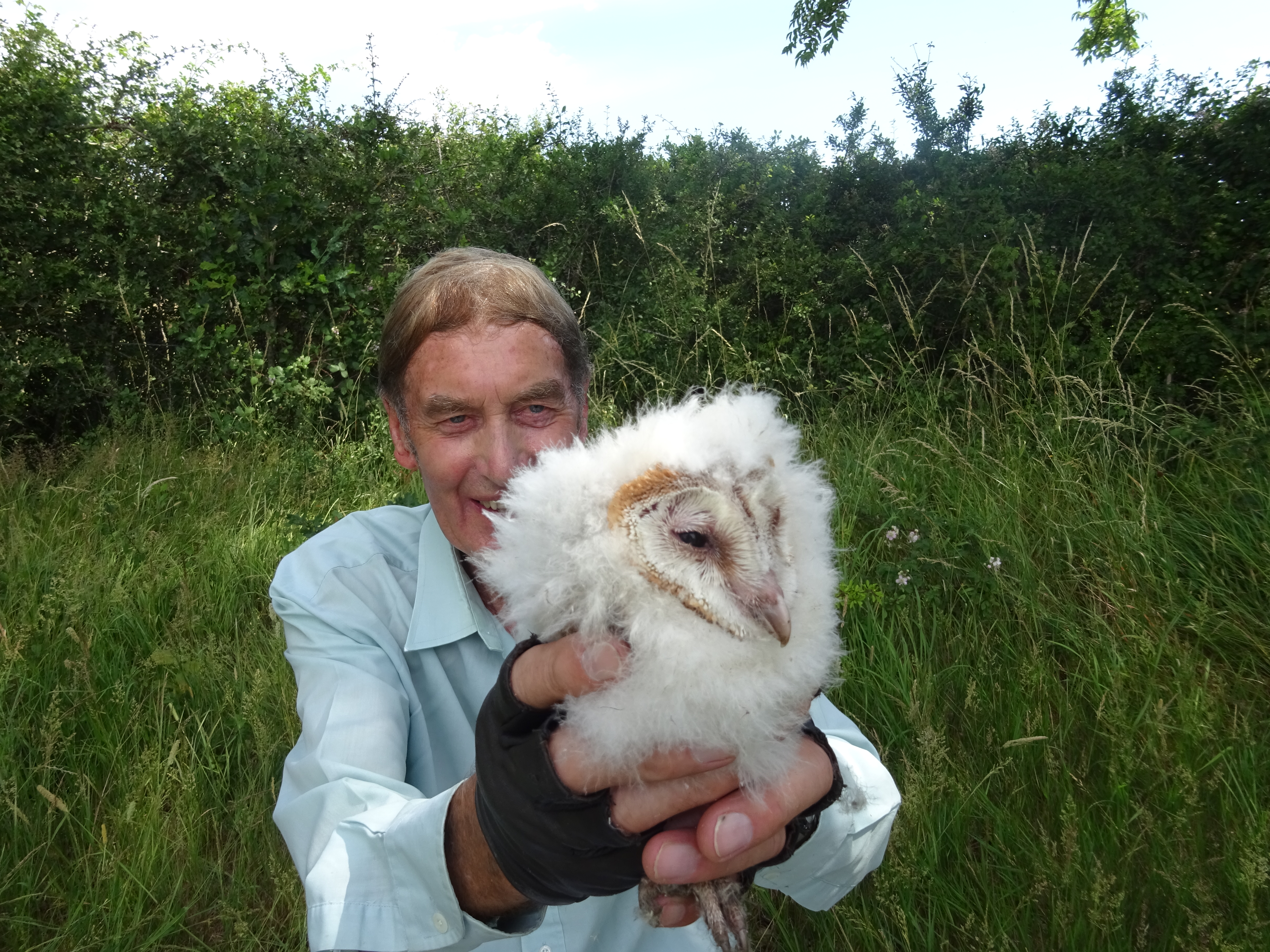 Each owl appeared interested in its surroundings.
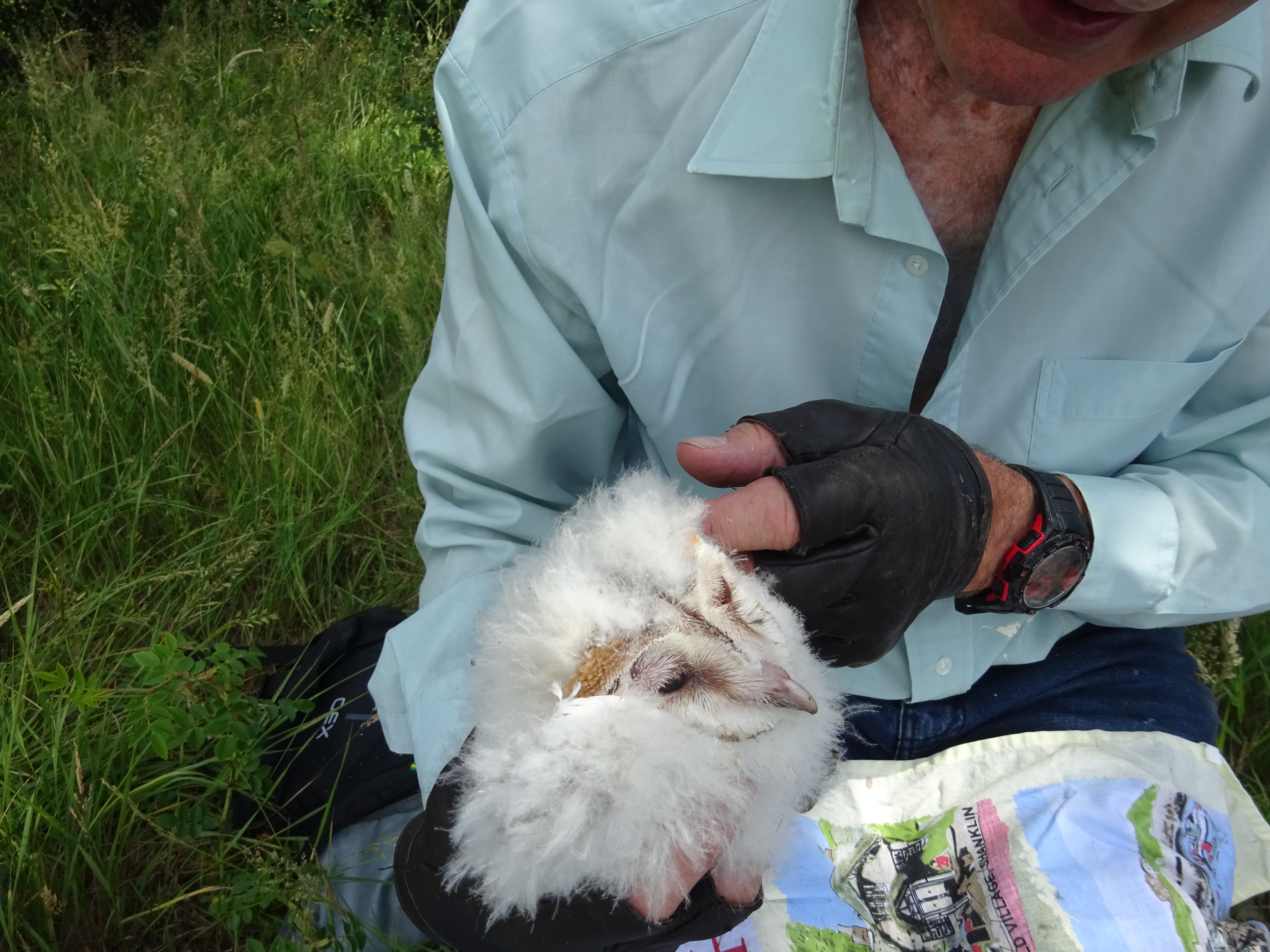 This endearing final one was given a gentle stroke on its face, which by the closed eyes that resulted, seemed to indicate that it was perhaps being enjoyed.
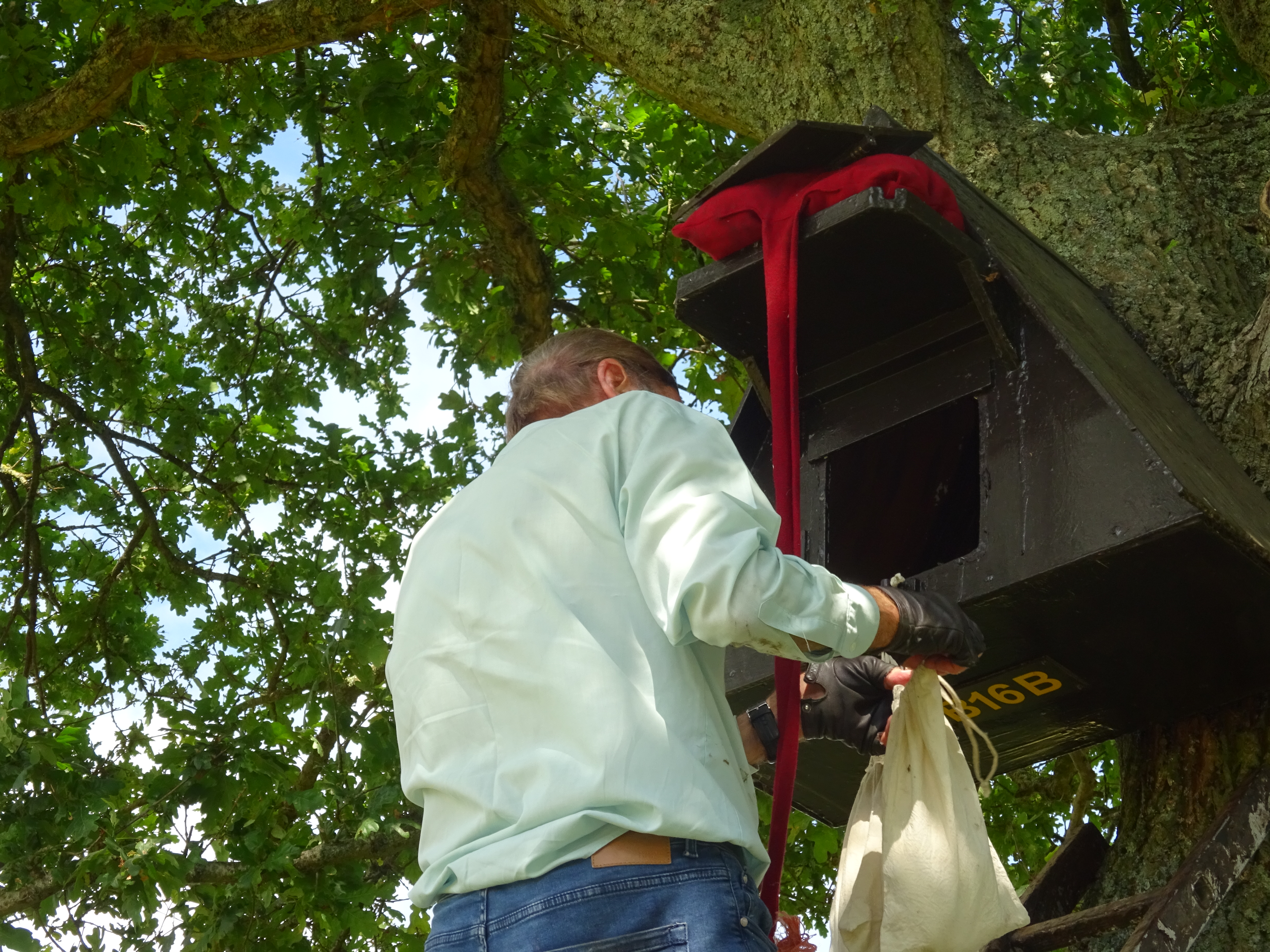 We were very pleased that all young barn owls initially found on our first check had survived and were healthy, so we gently placed each one back in the box to continue development until they were ready to fledge. This was a gratifying result in a year that had proved so barren for breeding elsewhere.
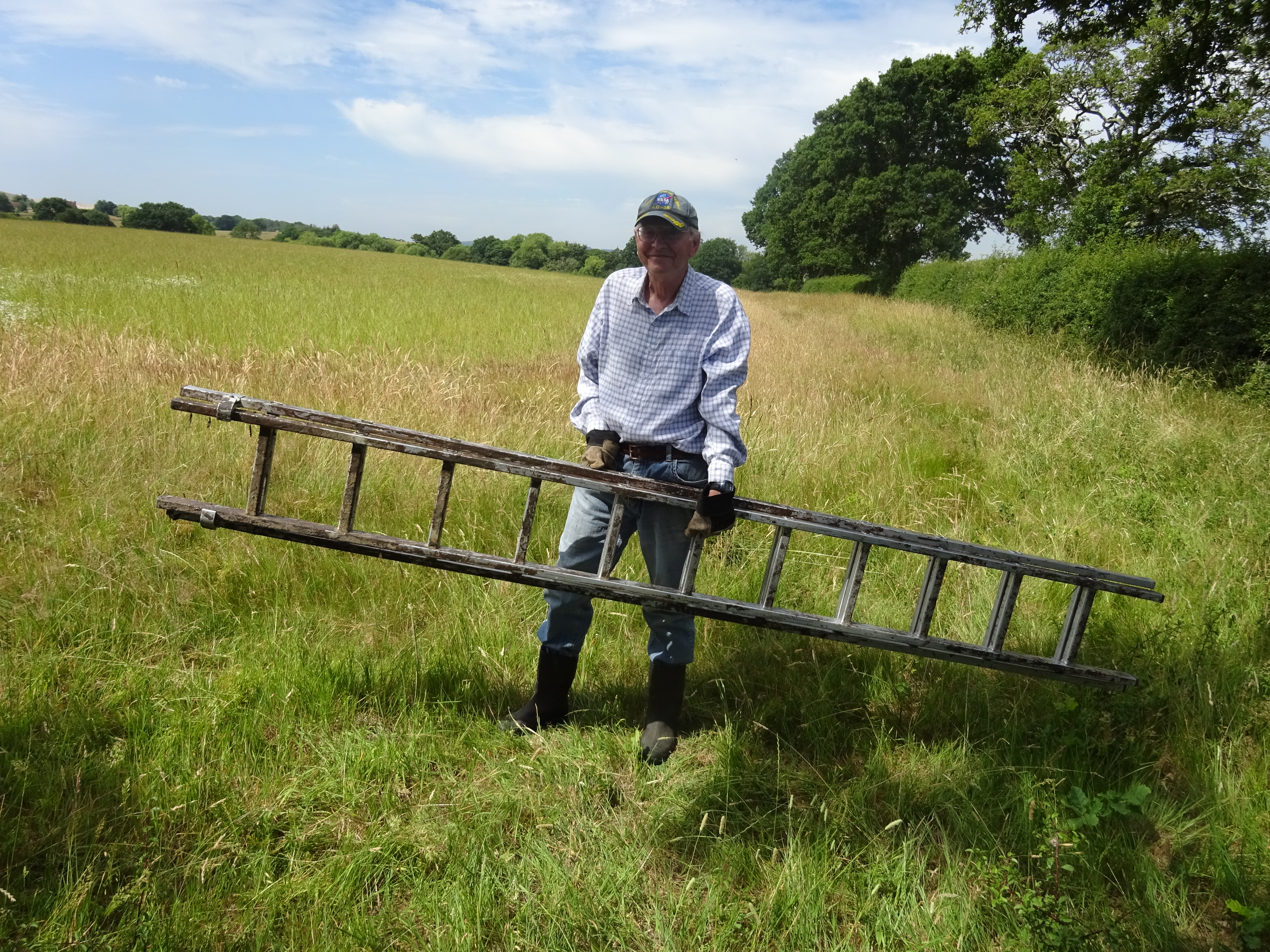 With the task completed, team members gathered up the ladder and equipment….
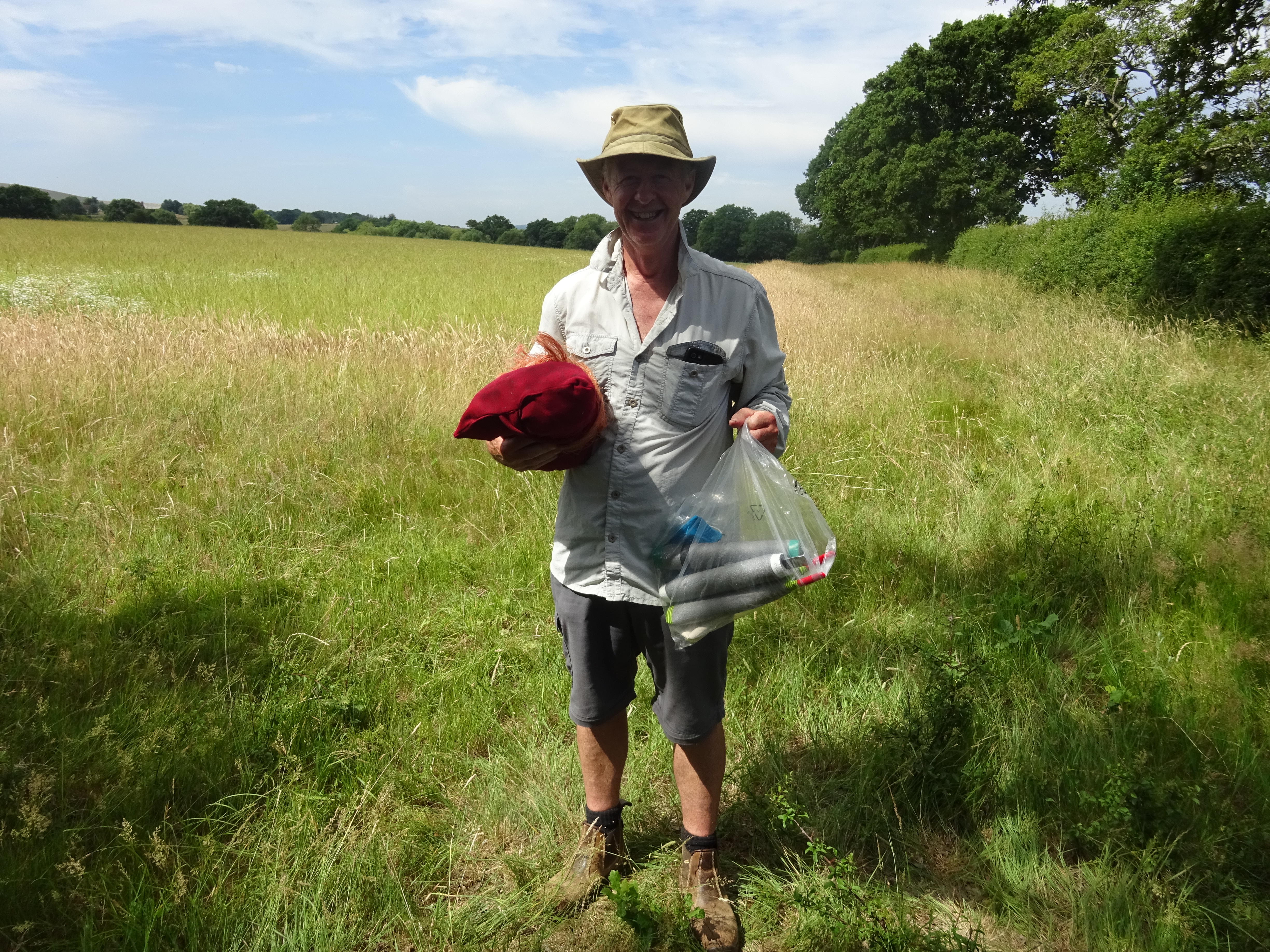 ….and departed the area, only returning weeks later to confirm that all had fledged successfully.
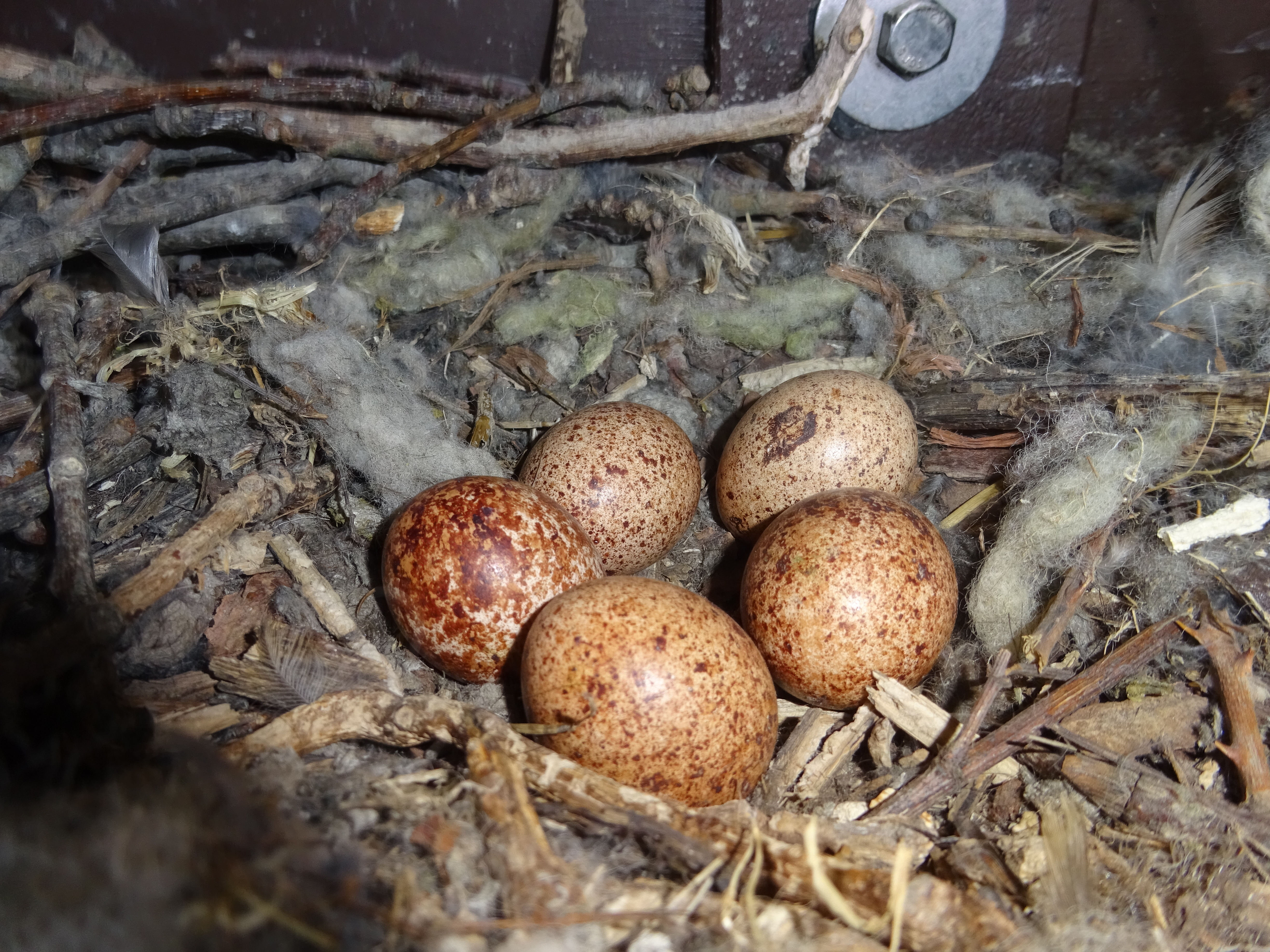 On our initial visit to this box in May, we found five kestrel eggs.
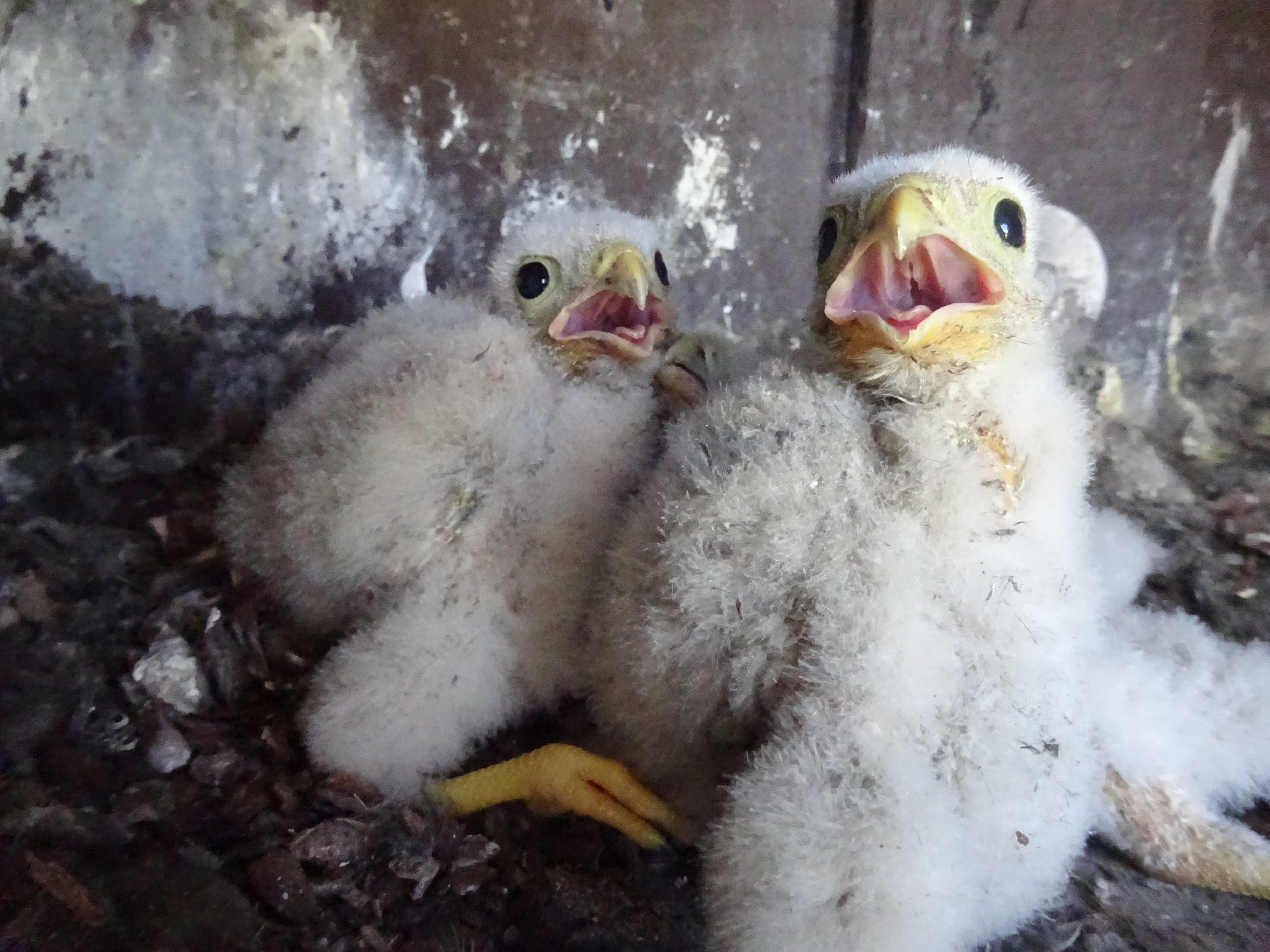 On our second visit in June we found four kestrel chicks in it, who provided us with the familiar aggressive greeting from this feisty species. One egg had perished.
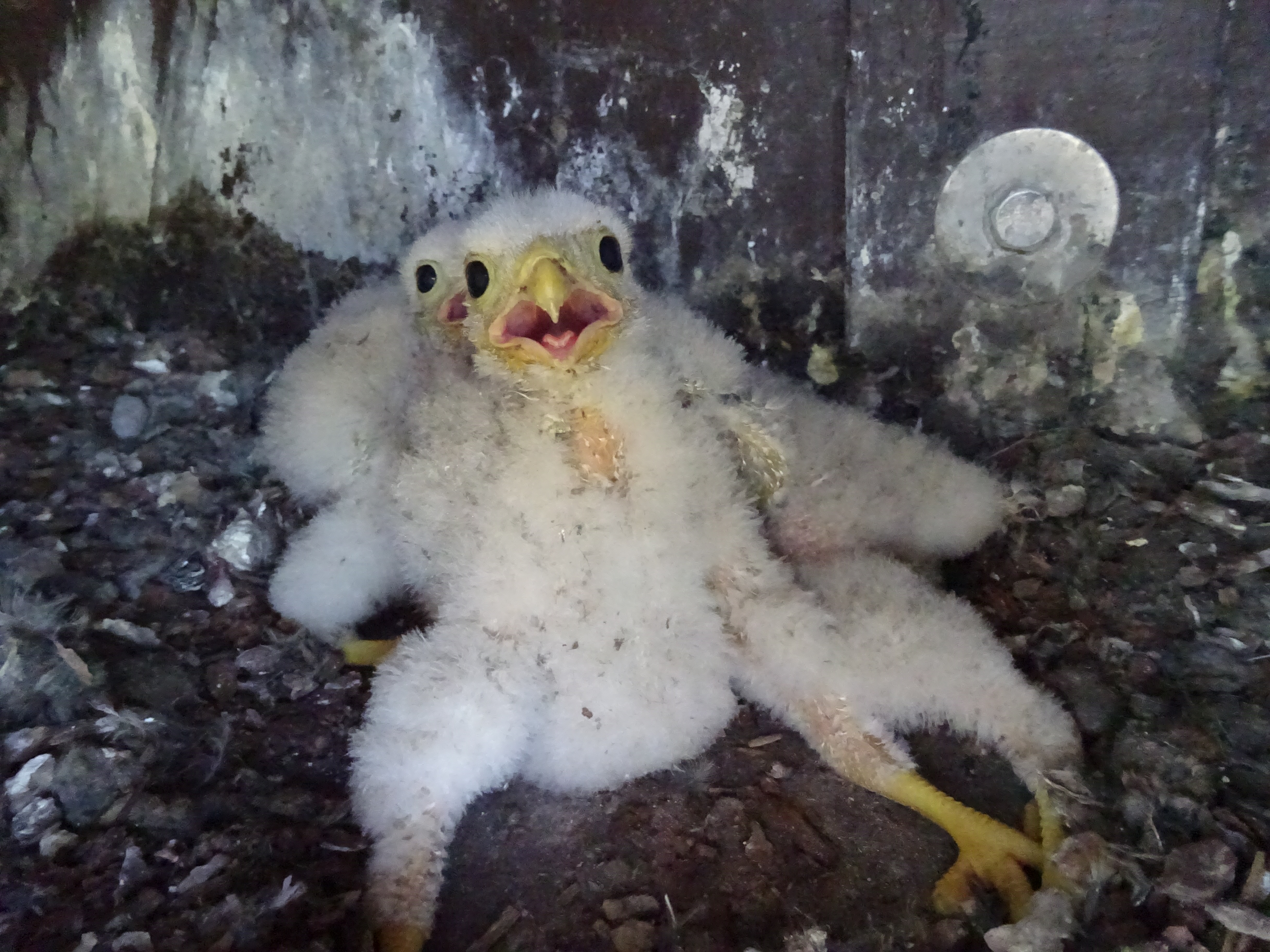 Always defiant, they tend to huddle together, making number-counting difficult.
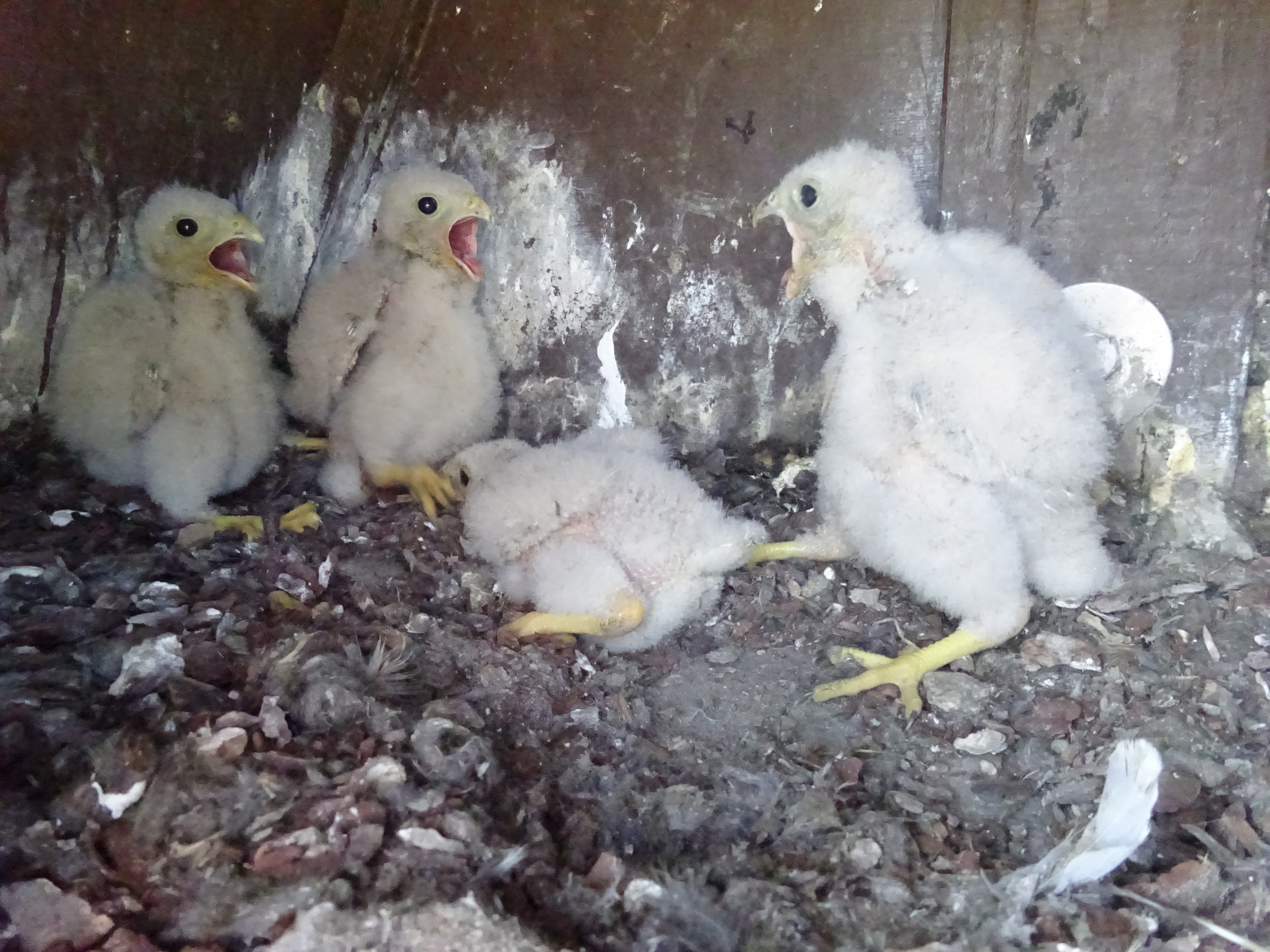 Eventually they were separated, but still voicing their opinions strongly about being disturbed.
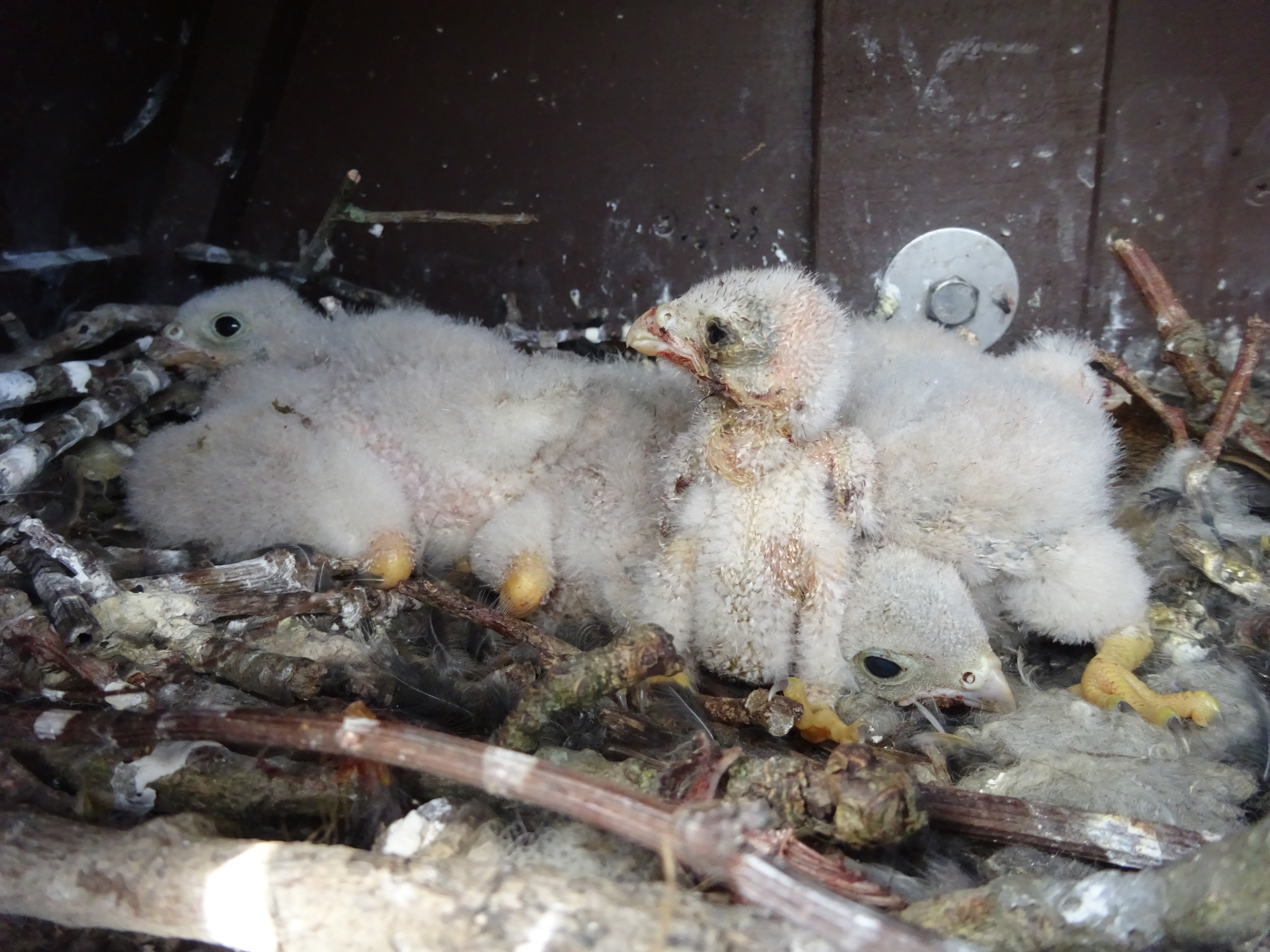 This was the second box found with again four kestrel chicks in. They were a little better behaved….
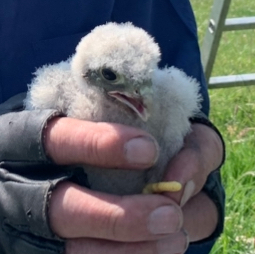 ….but generally, a little more unruly than barn owls to ring and record. All kestrels found were processed in the same way.
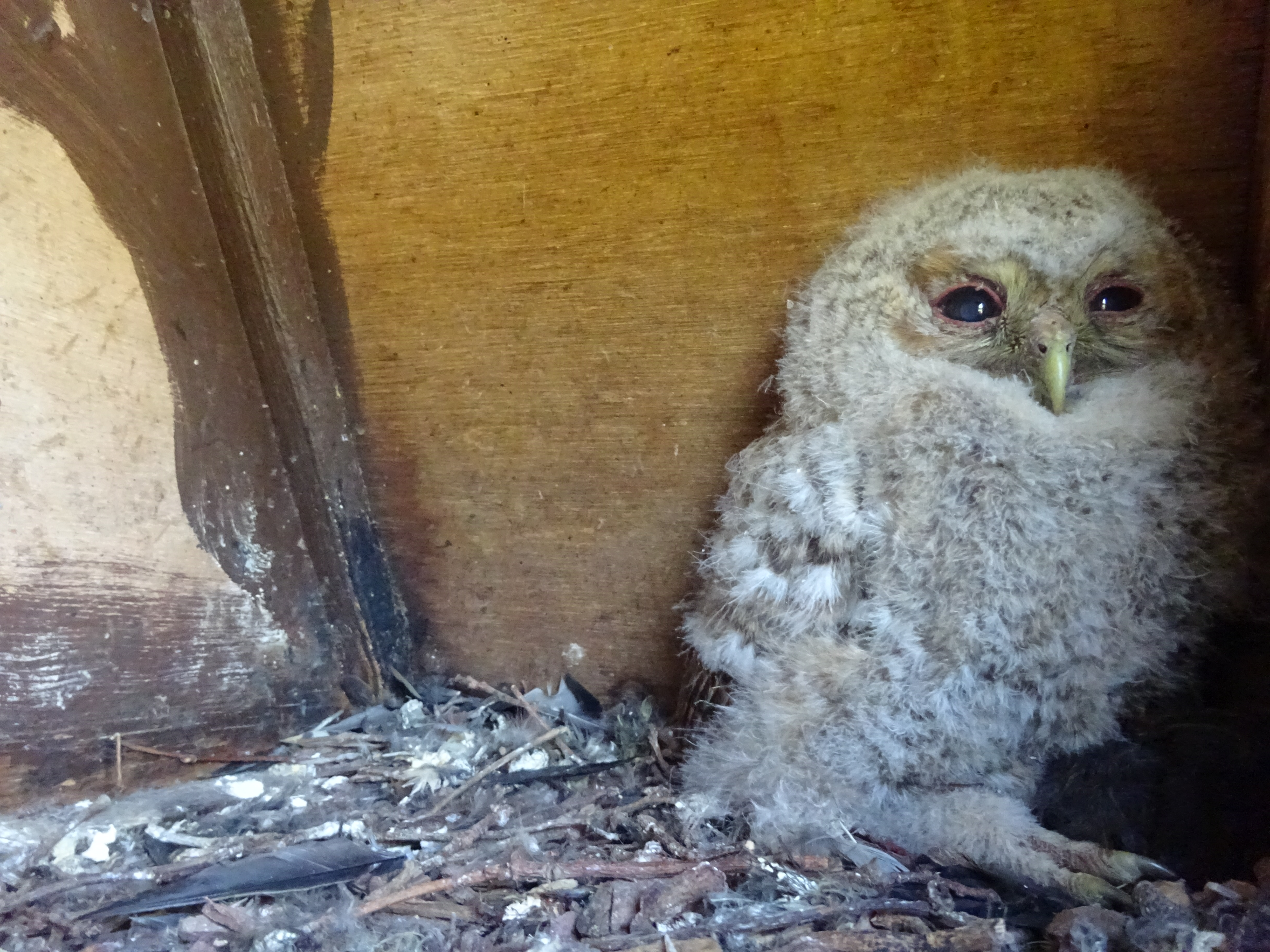 This was the young tawny owl found in one of our boxes on our initial visit in early summer. It unfortunately was missing when we returned to check on it a short time later.
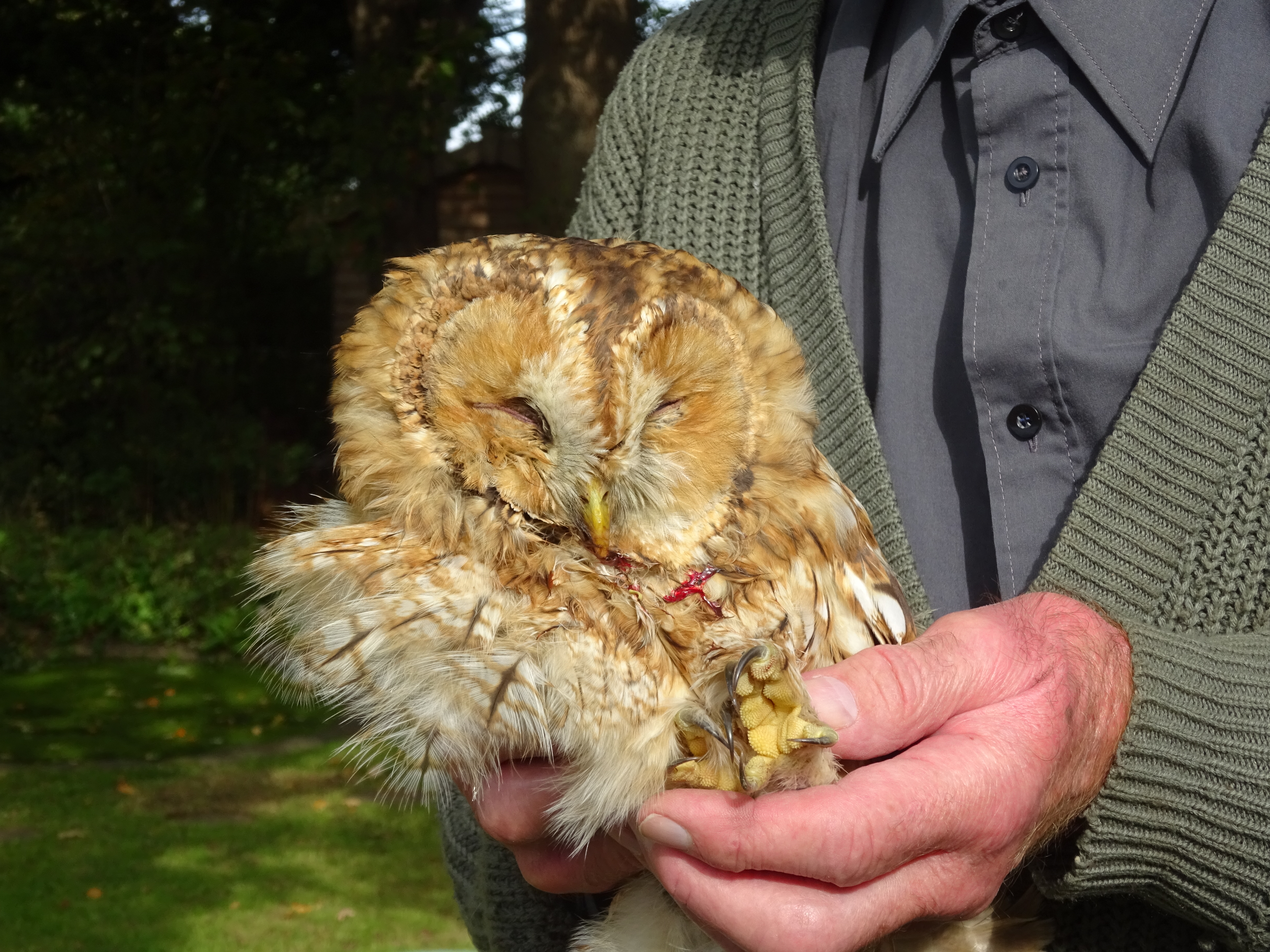 With the constant erosion of open countryside due to development, owls are reduced to hunting for food in the long grass growing on roadside verges. When disturbed by passing cars, they take flight and invariable collide with them. This was one such tawny owl found dead and bloodied on a roadside near to the box containing the young tawny owl, and was probably one of its parents. Road deaths are one of the main causes of death for owls, and together with the steady loss of suitable countryside habitat, are why their populations remain threatened.
Our bat box checks were pushed back later than we normally undertake them due to both the work backlog, and the abysmally wet weather experienced later in the late summer and autumn. The temperature had also begun to drop in the latter months of the year, and we were anticipating that this would affect our population findings. To a degree it did lessen the number found, but we still encountered some interesting occupants which are shown below.
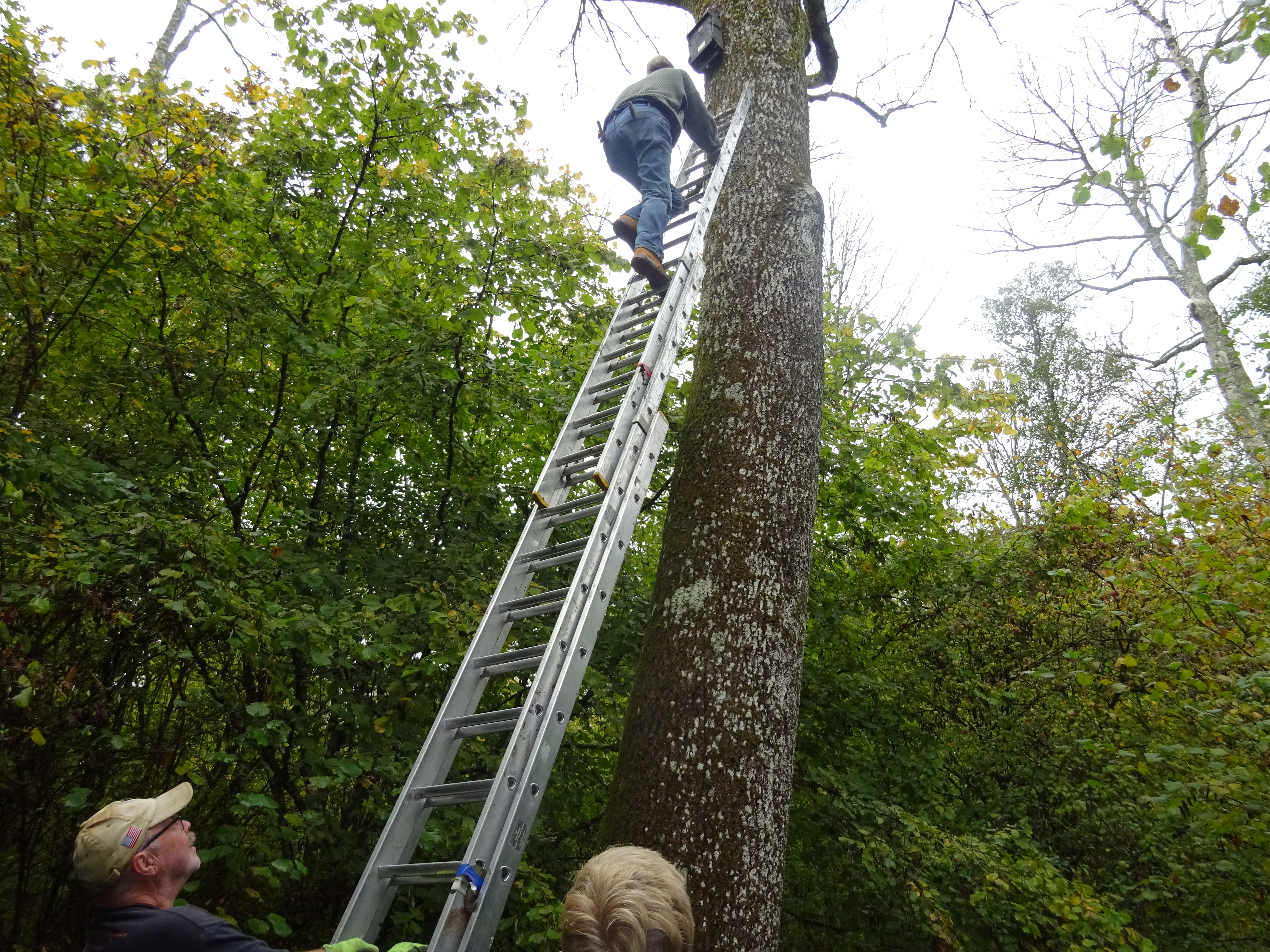
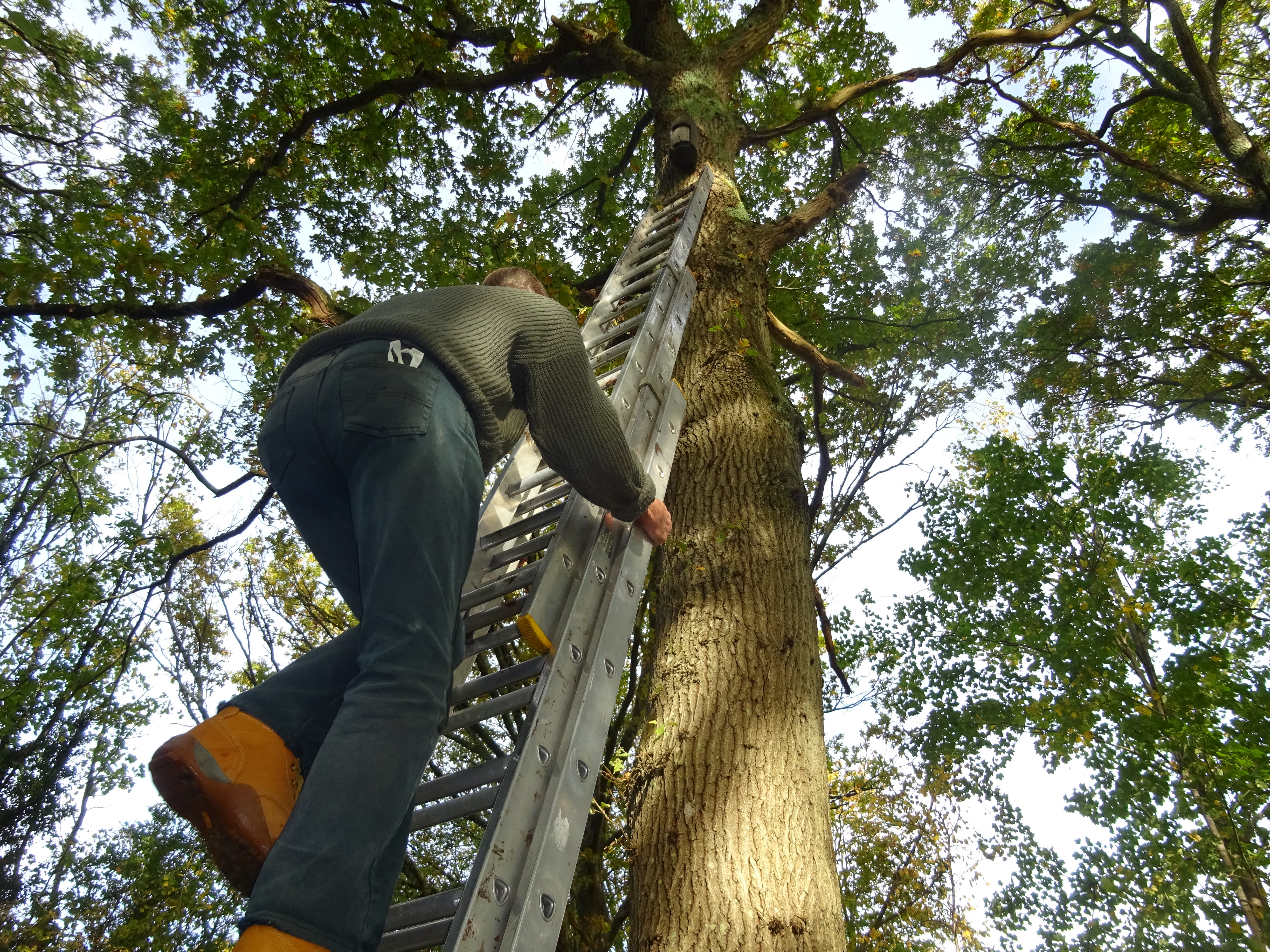 Once again we began the journey around all our installed boxes carrying the heavy ladder sections required to reach them.
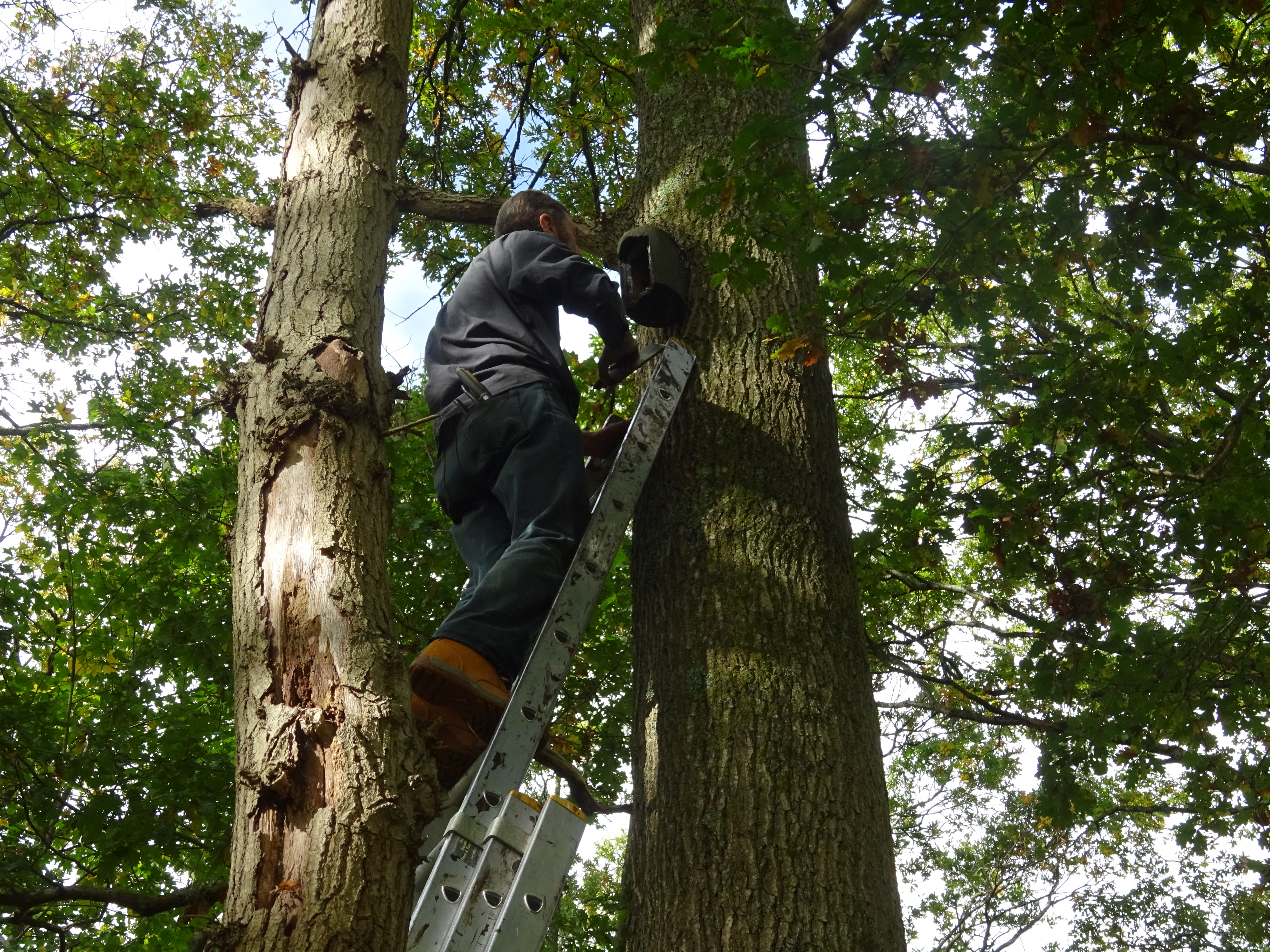 Each box was opened and the contents examined.
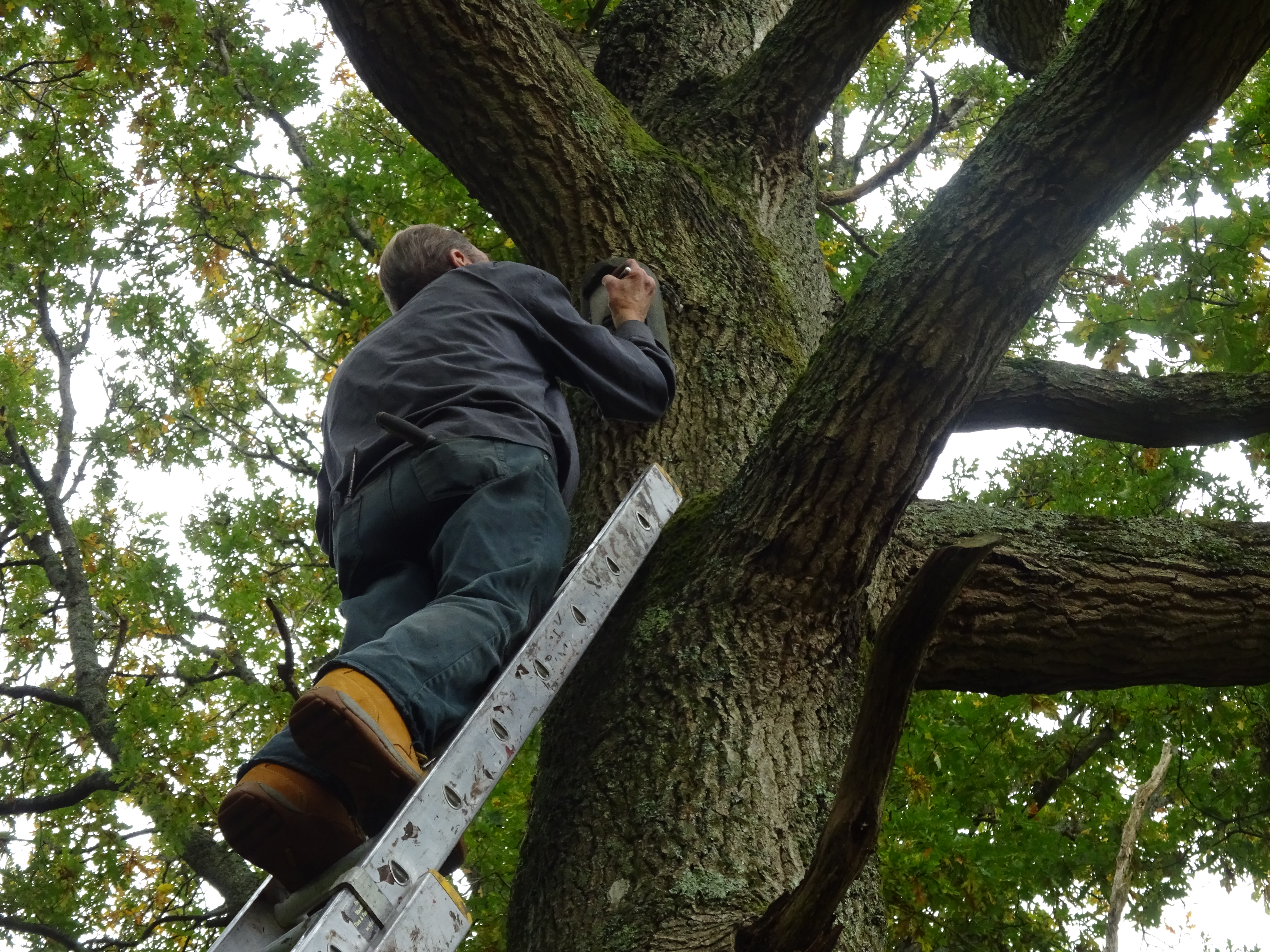 Every box was cleaned out and the fixings checked.
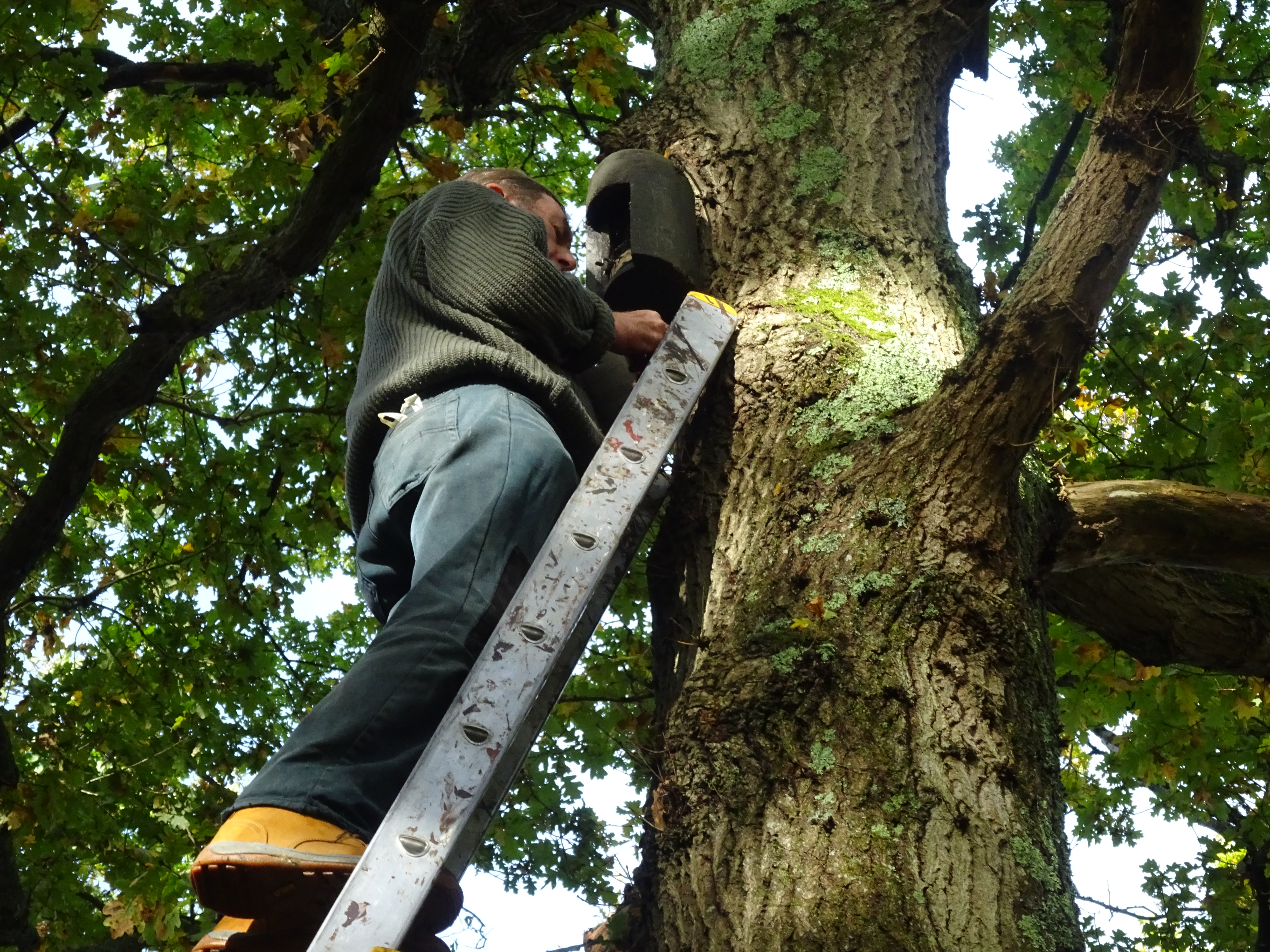 All bats found were identified, their welfare and number determined, and photographed for record purposes.
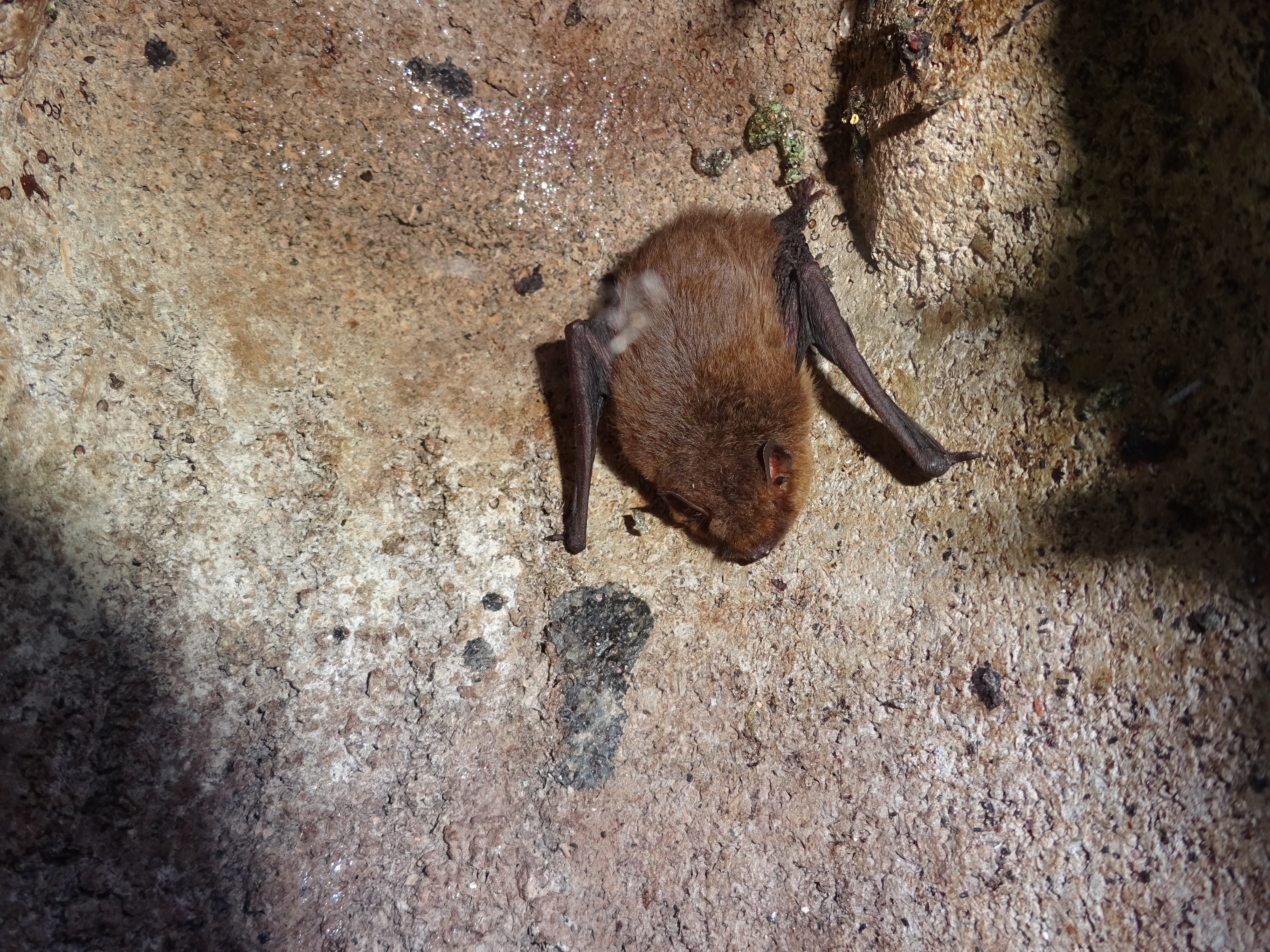 Initially our findings were mostly common pipistrelles as seen here….
 ….but as the teams progressed around the different woodlands, other species were found.
 Spurred on by these encouraging results, every dry interlude was capitalised upon, and every box visited with renewed vigour.
 In this wood we were interrupted by a few light showers, but managed to continue until all boxes had been visited.
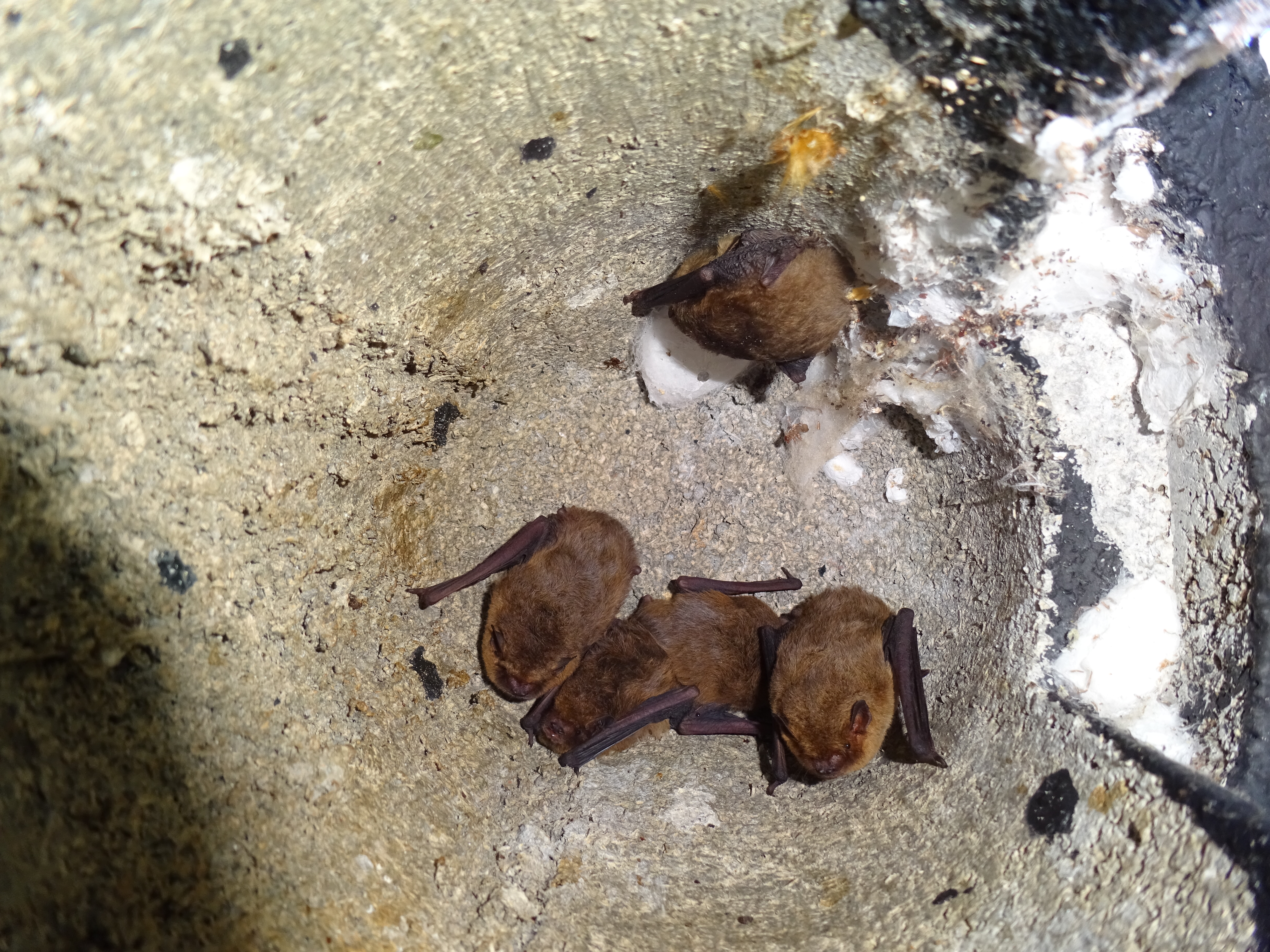 These were five more common pipistrelles found huddled in the roof of one of the boxes.
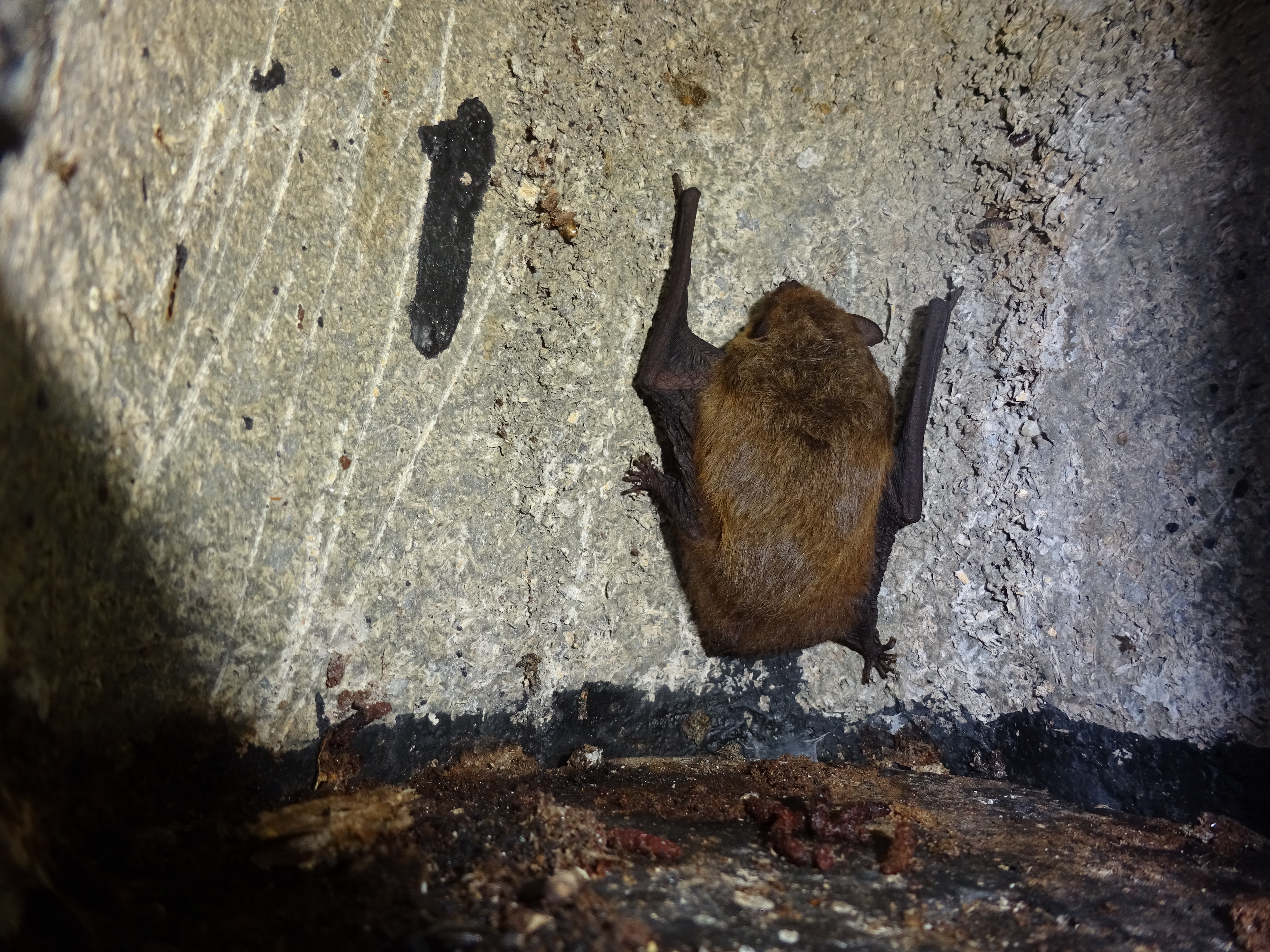 This box contained a lone one, crawling slowly up to the roof of the box.
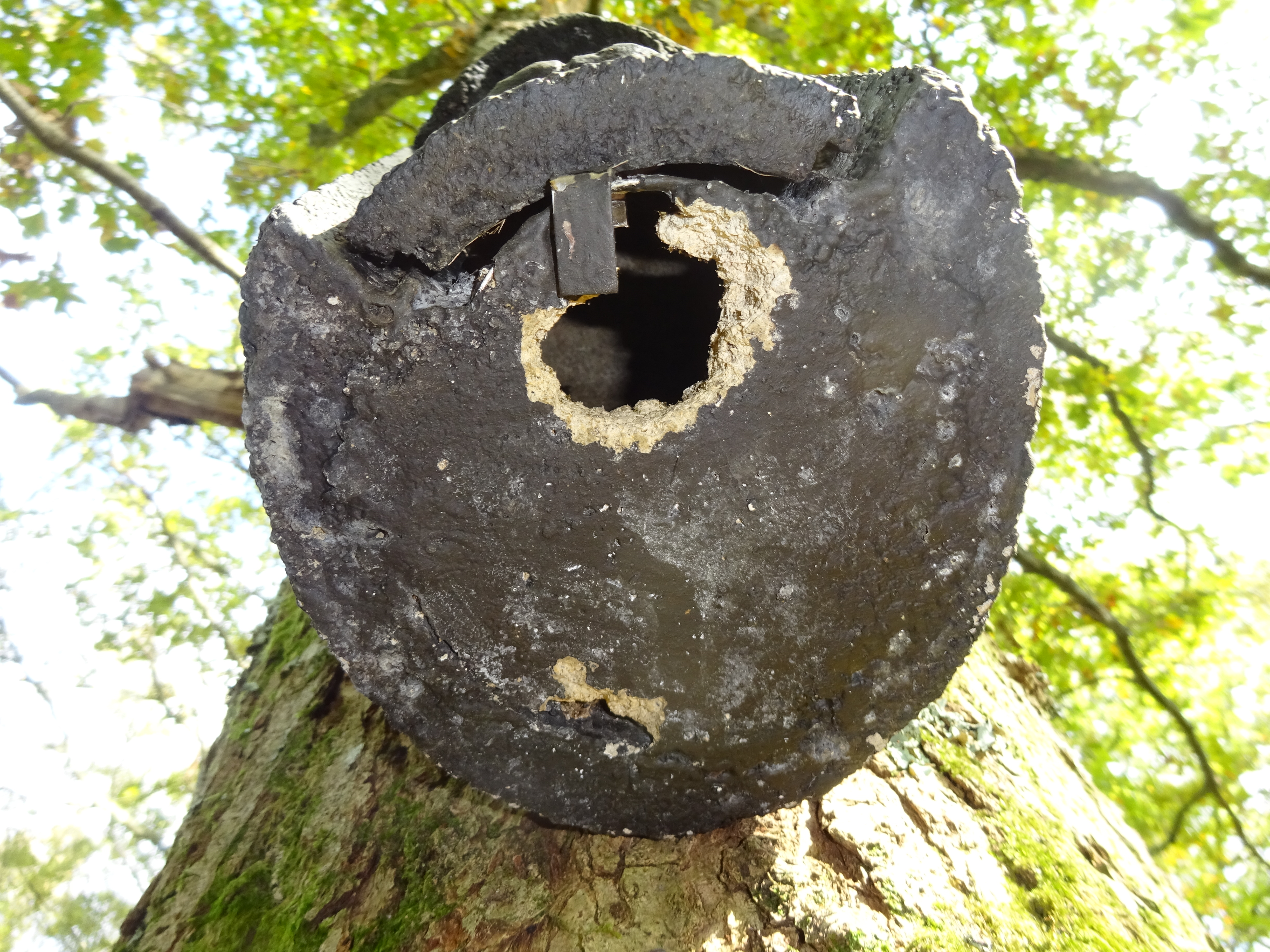 Nowhere can we escape the attention of the destructive grey squirrels. This box replacement will be a costly expense for us.
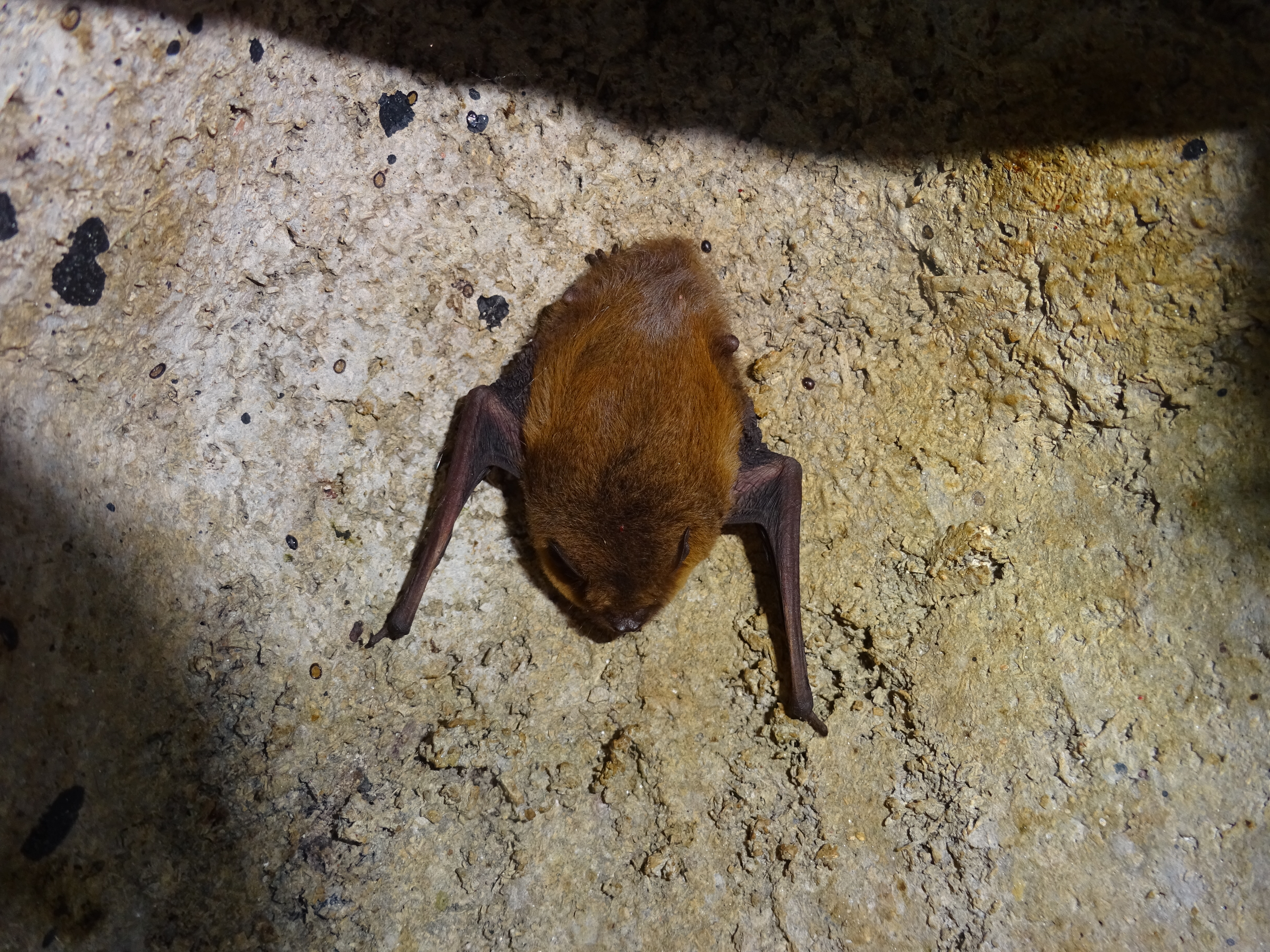 Lone pipistrelle bats appeared more often, this year.
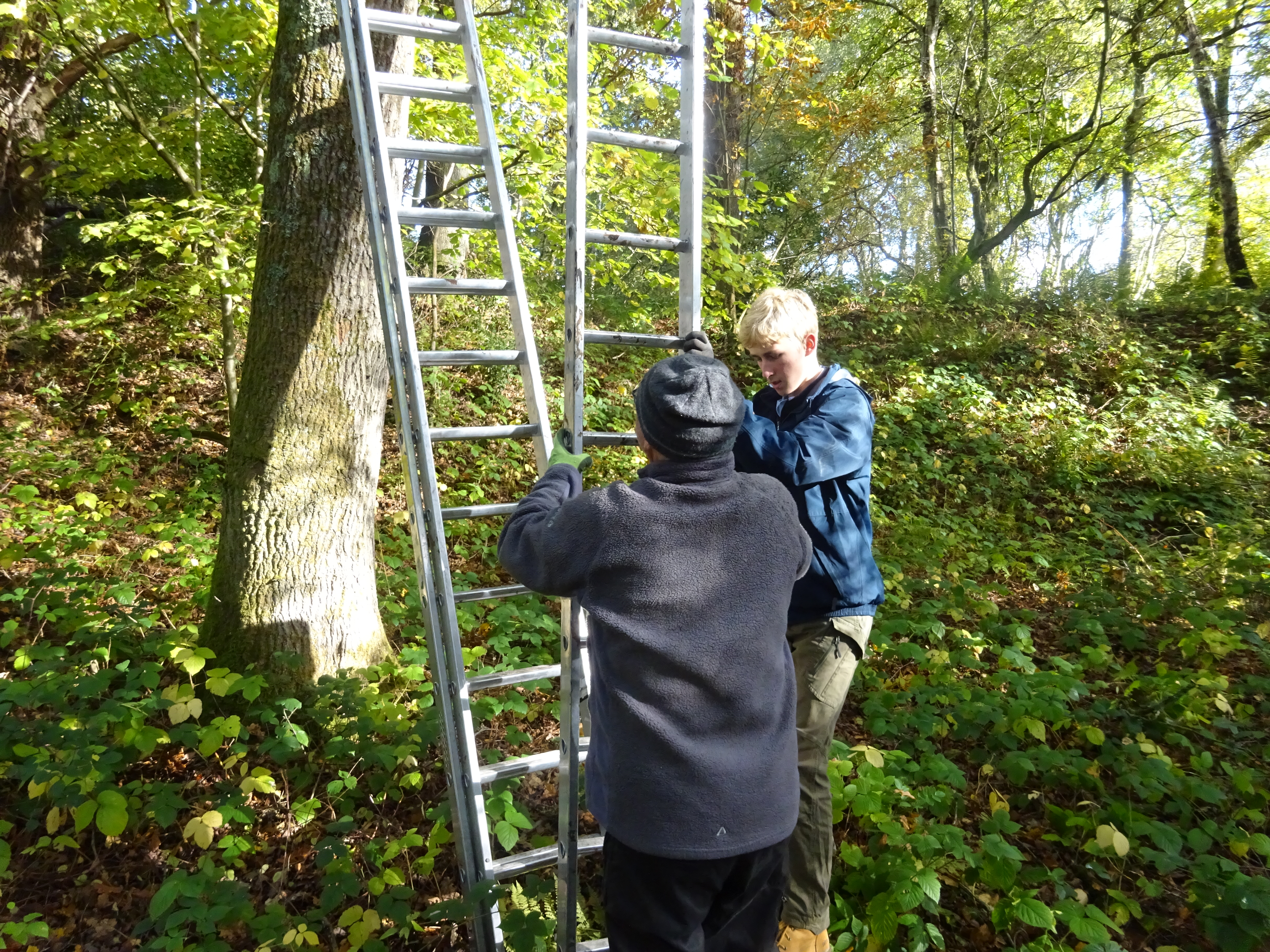
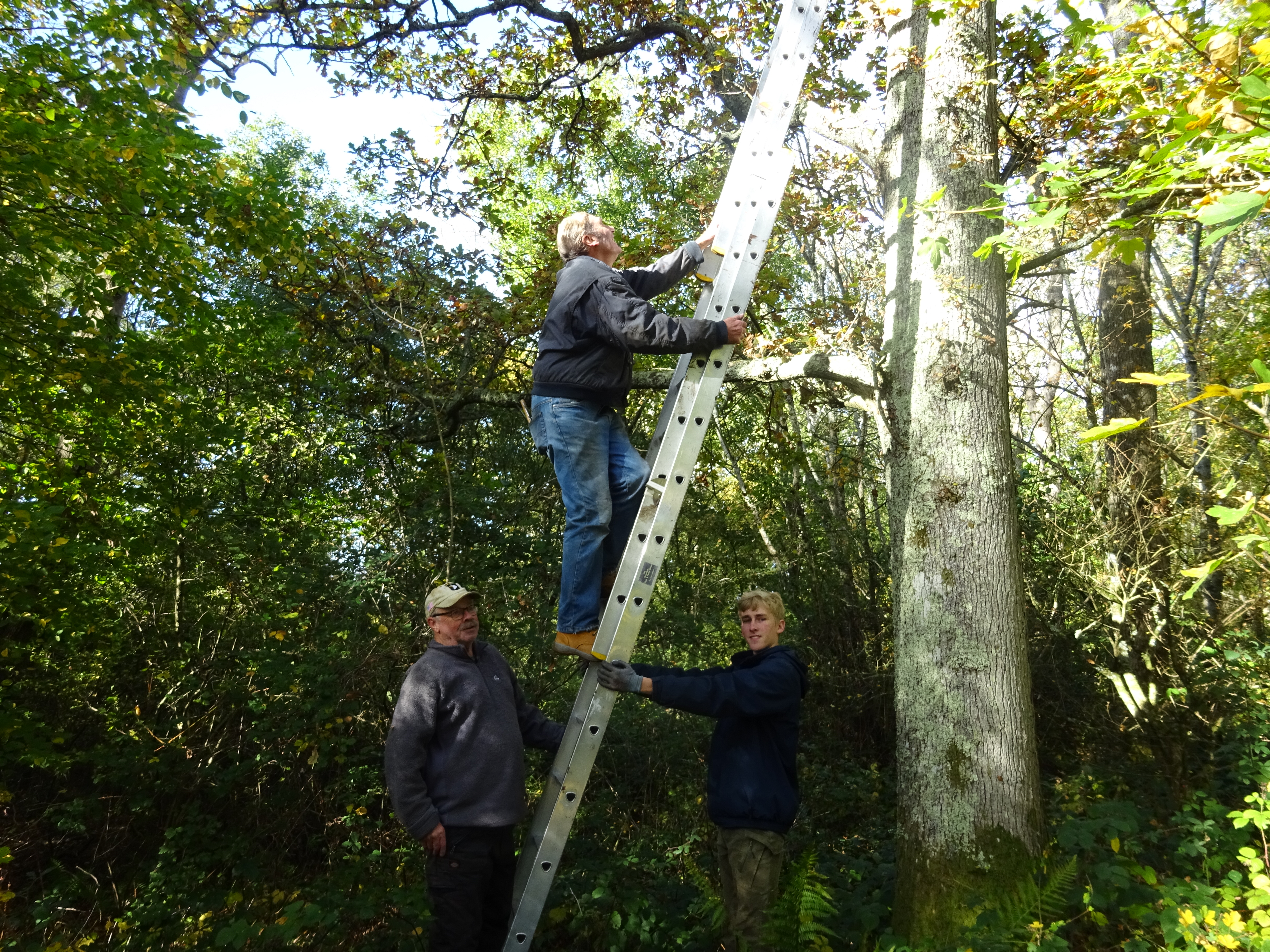
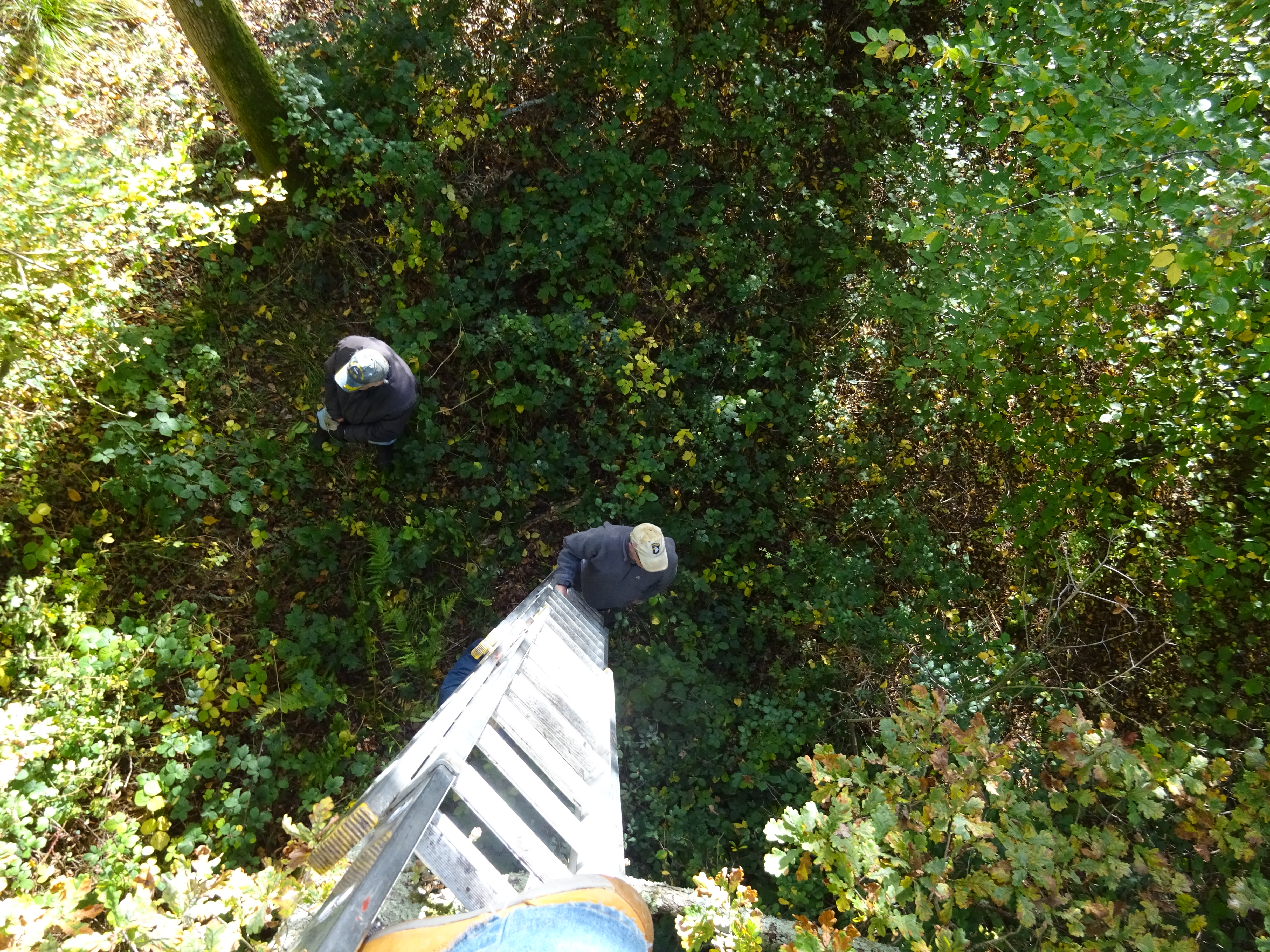 Helpers foot the ladder on the uneven ground at each box.
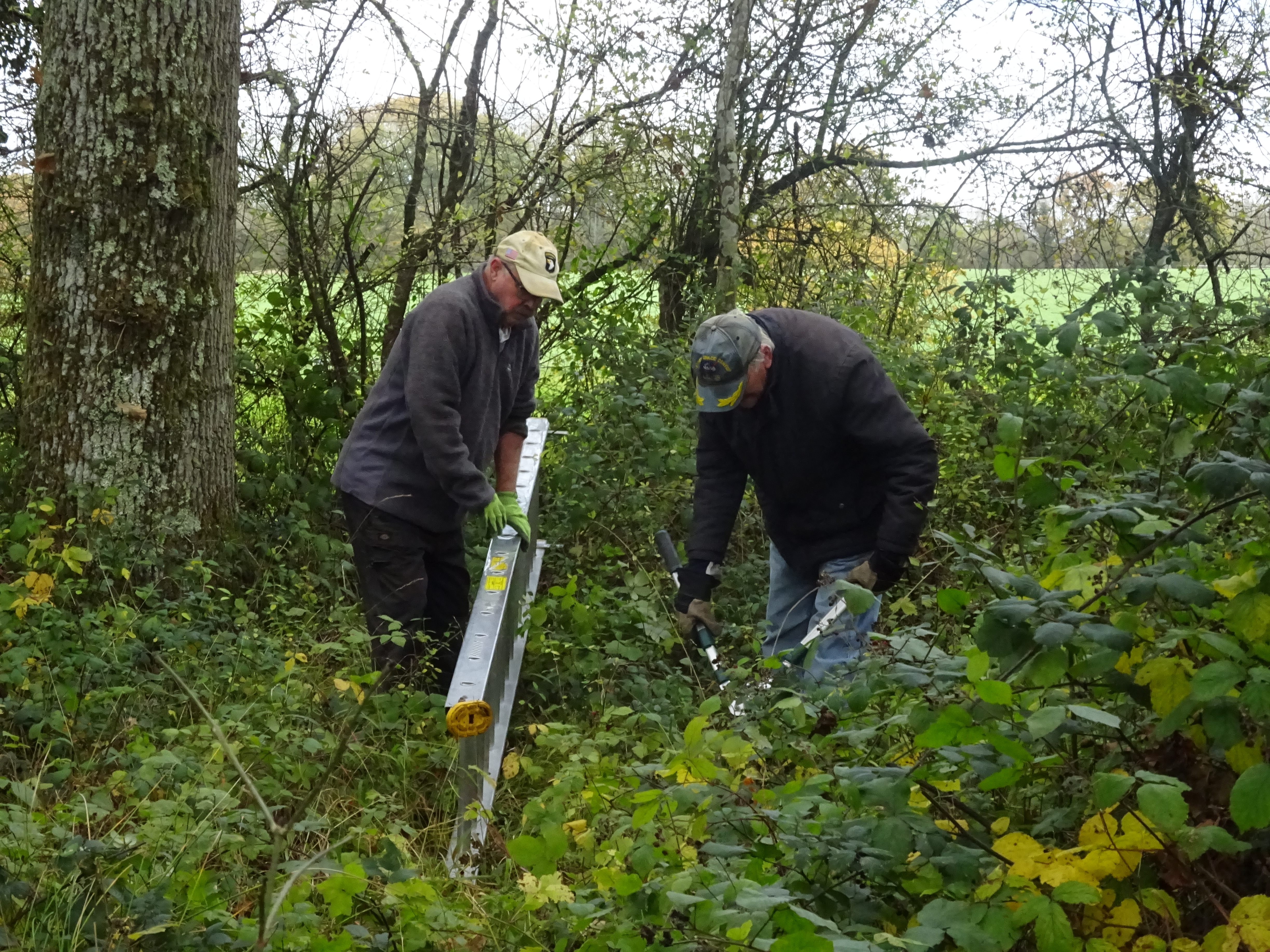 Manoeuvring the ladders through the tangled bramble understorey is extremely difficult.
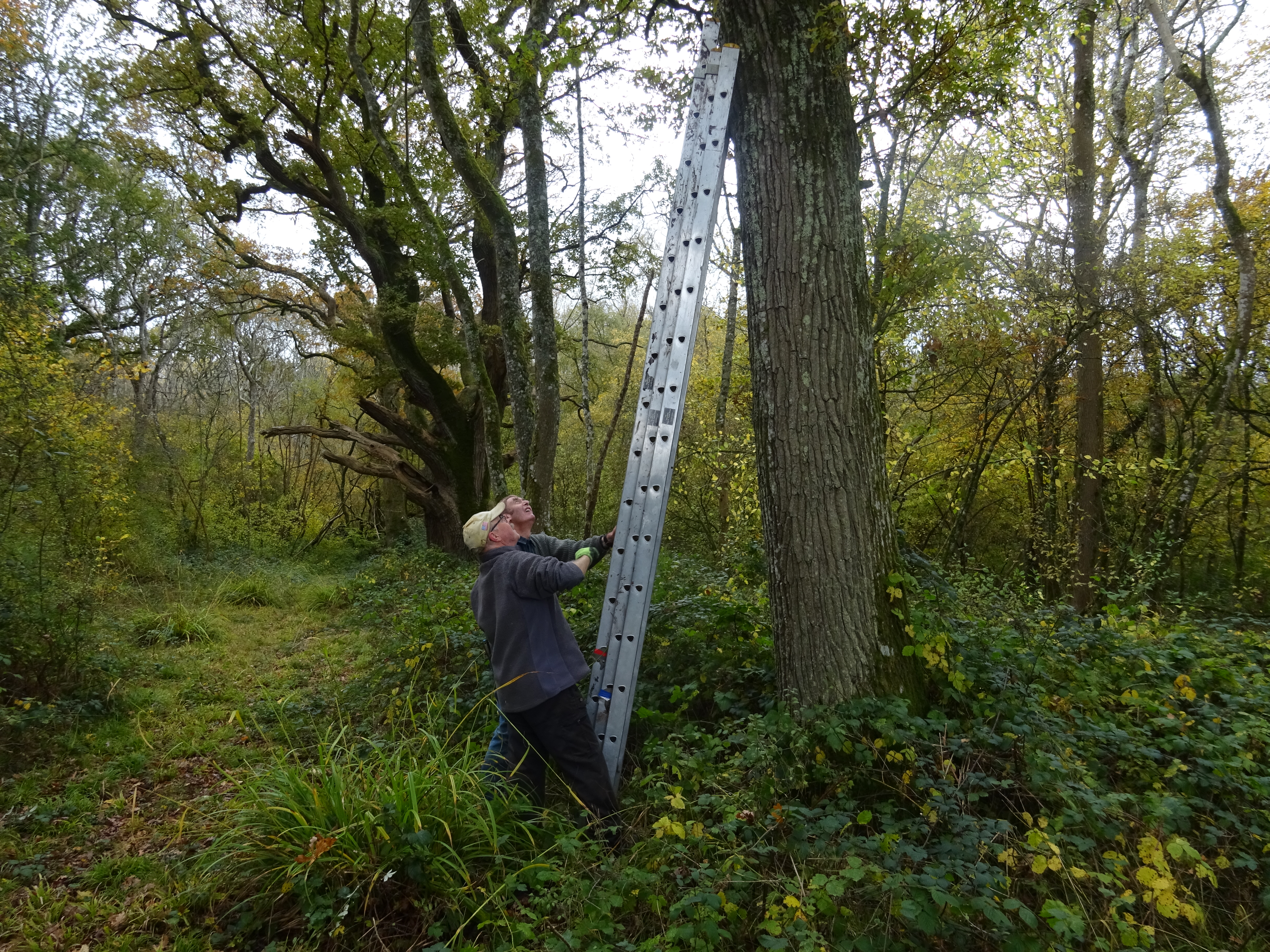 ….and slows the progress of each survey.
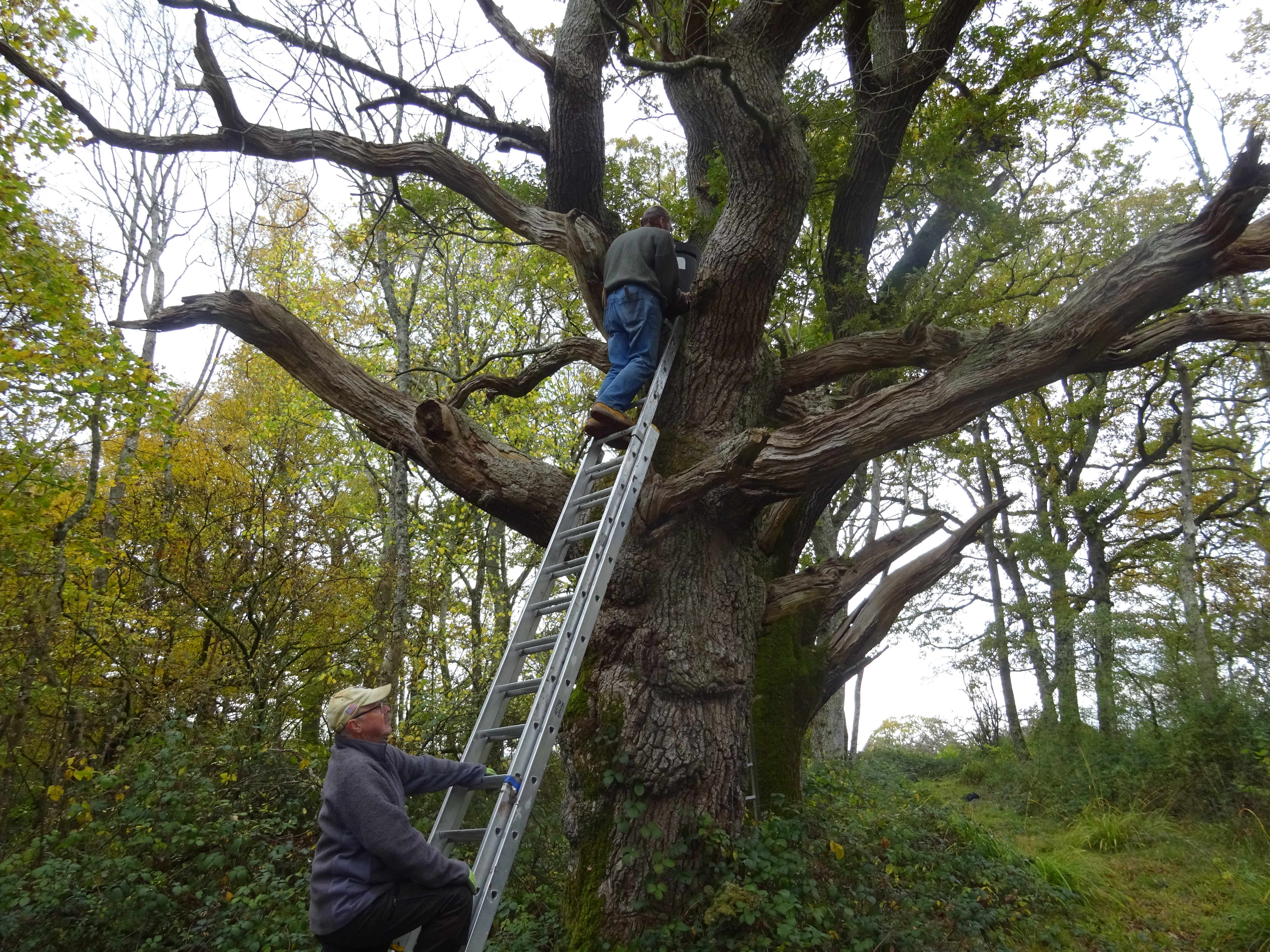 This was one of the 30kg bat hibernation boxes we have installed at some sites, where even removing the door to inspect the contents requires strenuous effort.
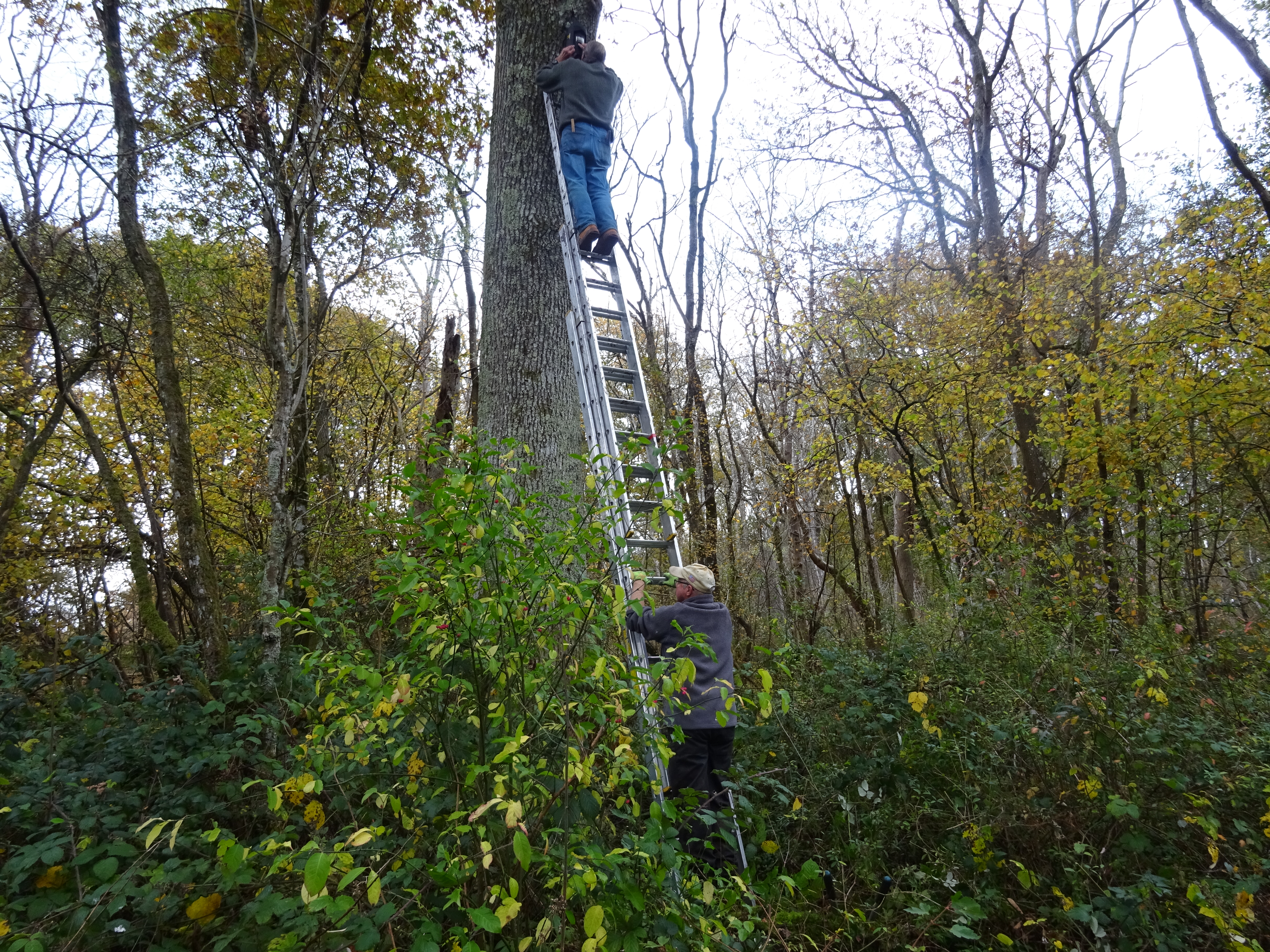 The wet weather had made the ground at every site slippery and hazardous in places.
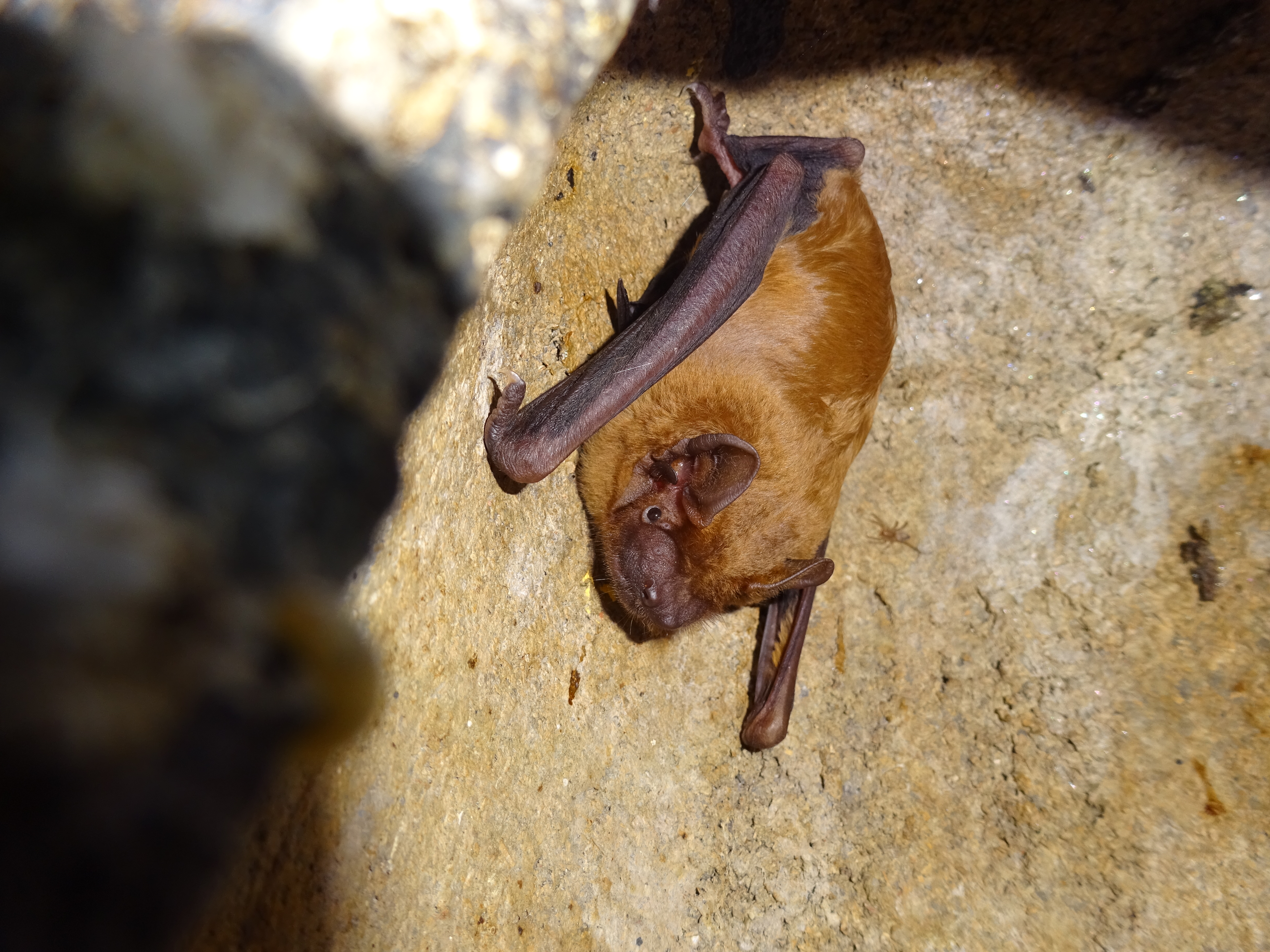 The task was hard work for the team, but seemed worth the effort when discovering the varying species of bats, like this noctule bat shown here.
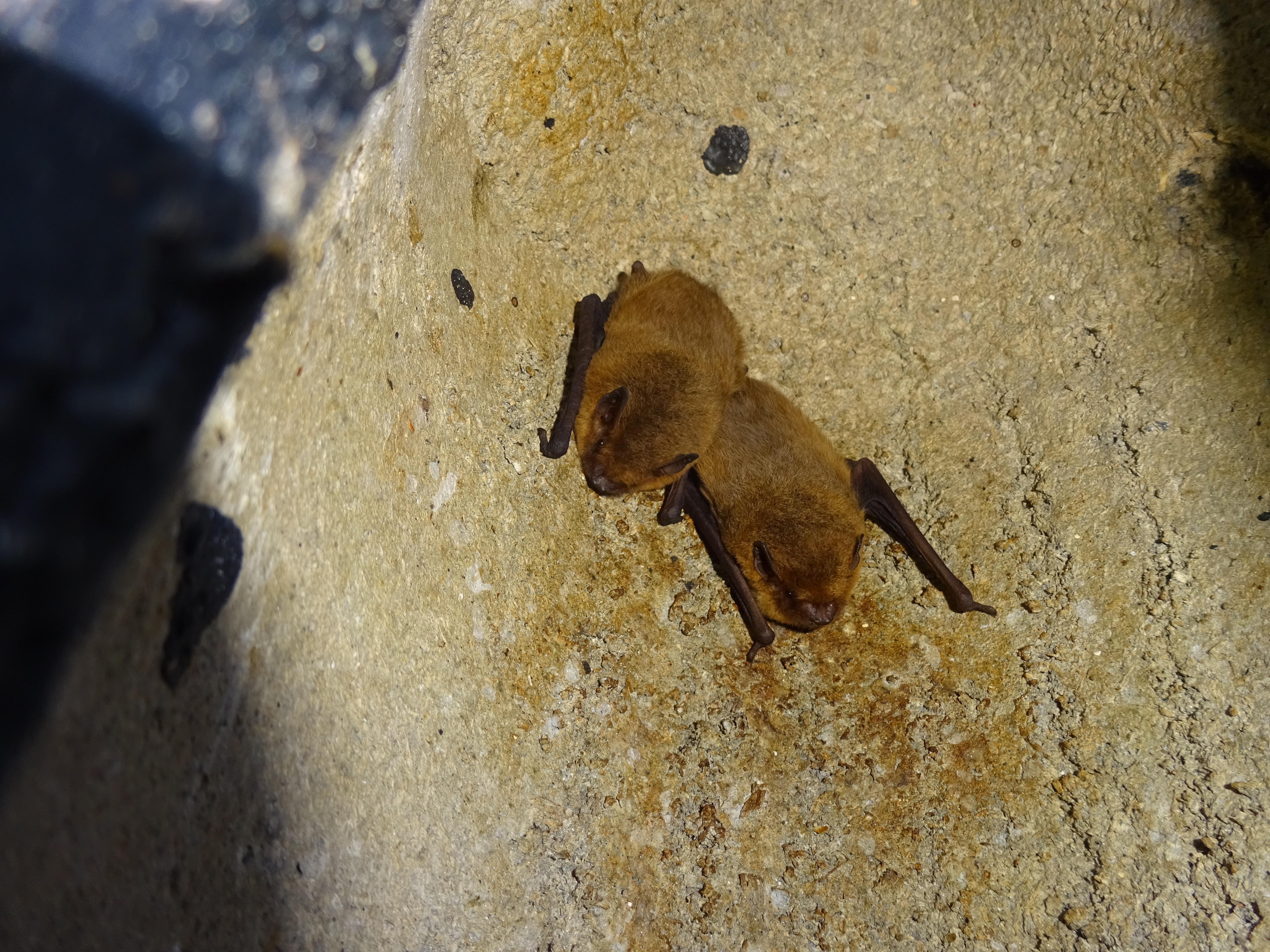 Considering that the poor weather this year had reduced our expectations of the number of likely occupants we would find, this box always contains a number of pipistrelles, so did not disappoint us.
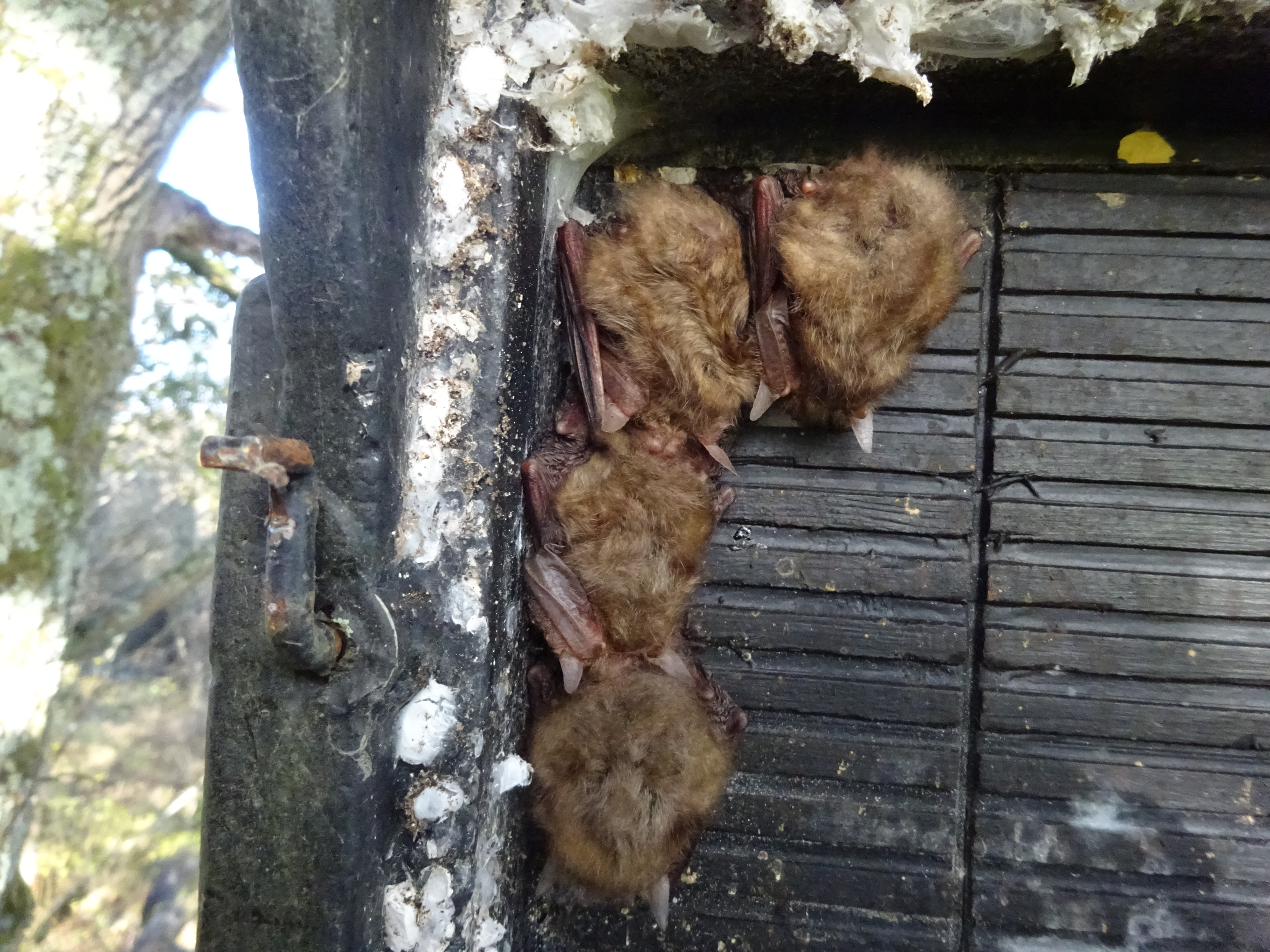 This box contained six brown long-eared bats, with their long ears tucked under their wings.
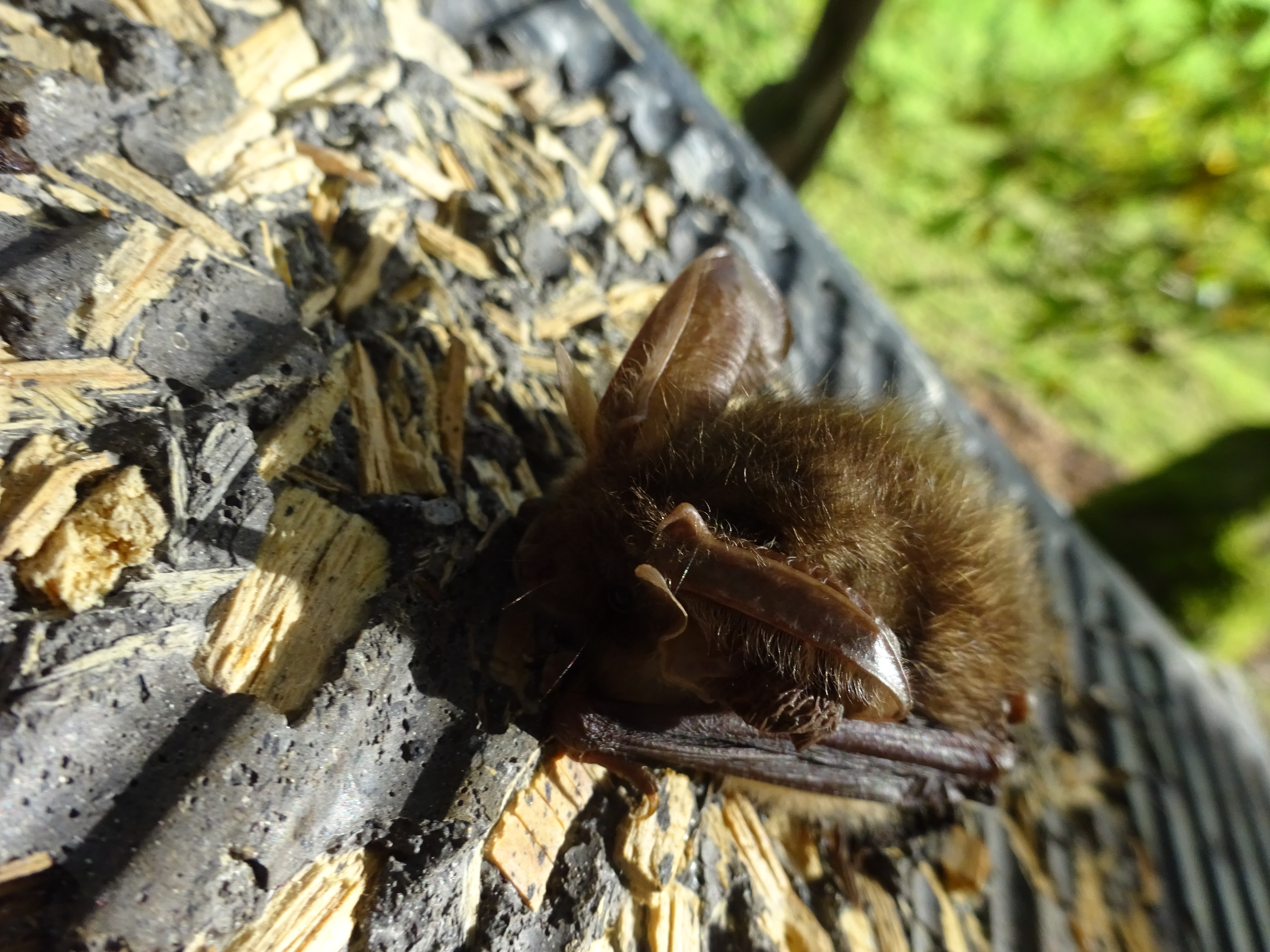 Some were hanging on the back of the box interior….
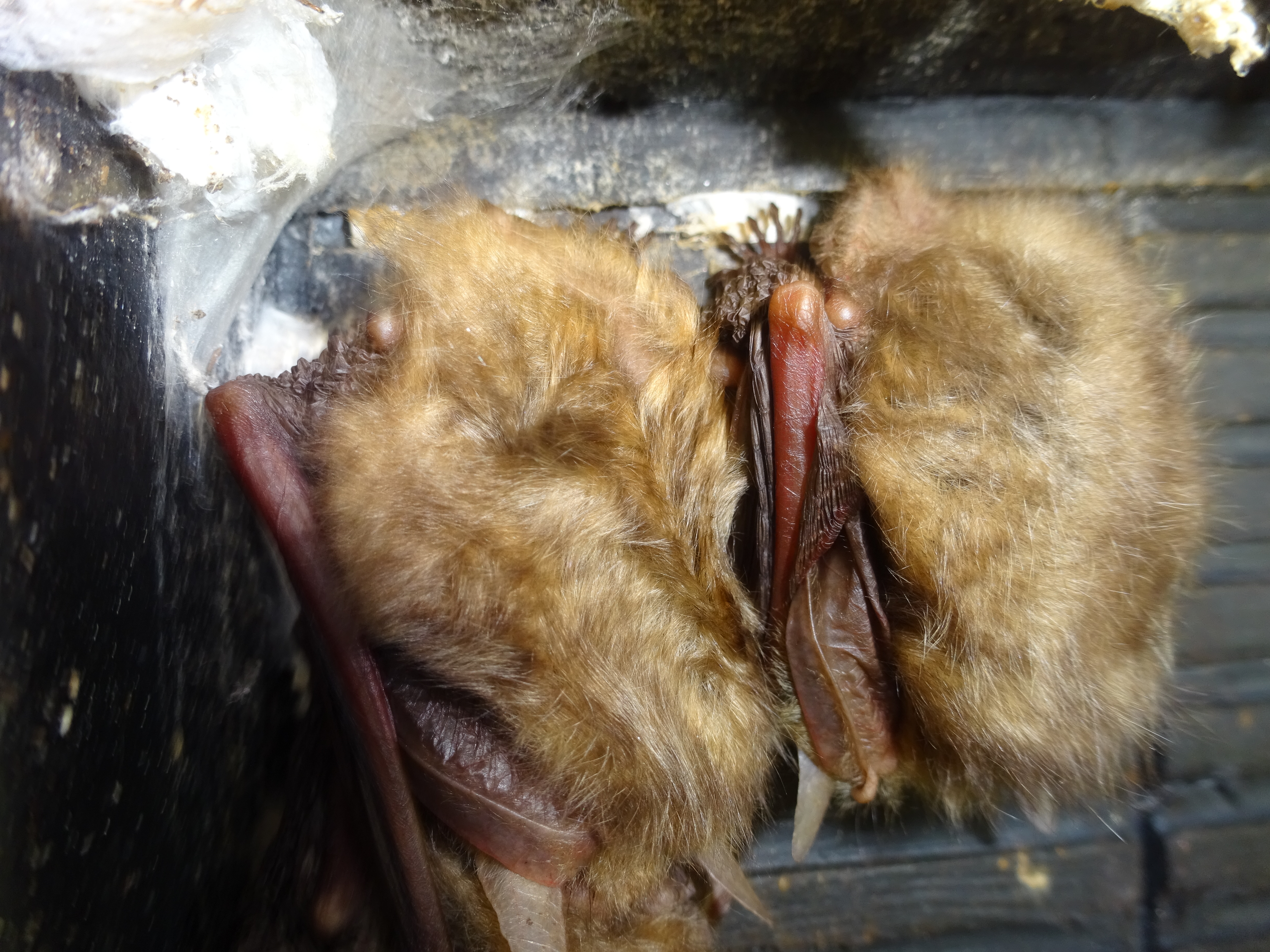 ….and others were hanging on the openable lid of the box, so great care had to be taken when closing it to ensure all occupants were clear.
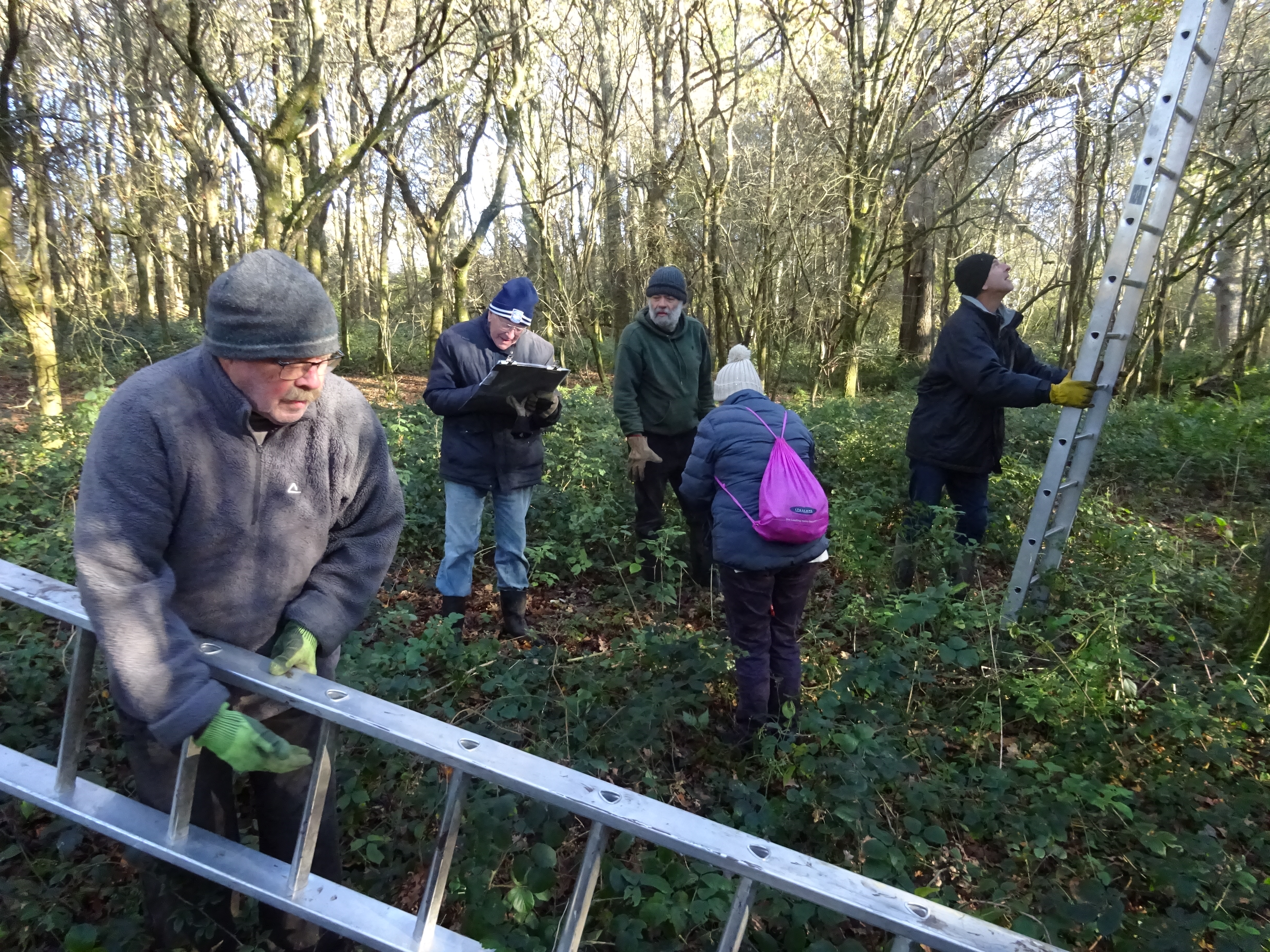 We are grateful to all team members who responded to the urgent calls for help when dry opportunities appeared at short notice, in an otherwise continuous wet weather period. Without this help the bat box inspections could not have been concluded satisfactorily.
Our dormouse box checks this year, found upheaval at most of the sites due to many landowners felling the dead or dying ash trees suffering from ash die-back disease. This upheaval had severely affected their suitability to provide the surroundings to encourage dormouse populations. Falling trees had also inflicted a lot of damage to hazel bushes and other trees housing dormouse boxes, as well as many of the boxes themselves. We spent much of our time searching for box locations amongst the chaos and retrieving damaged or missing boxes. This obviously affected our results this year.
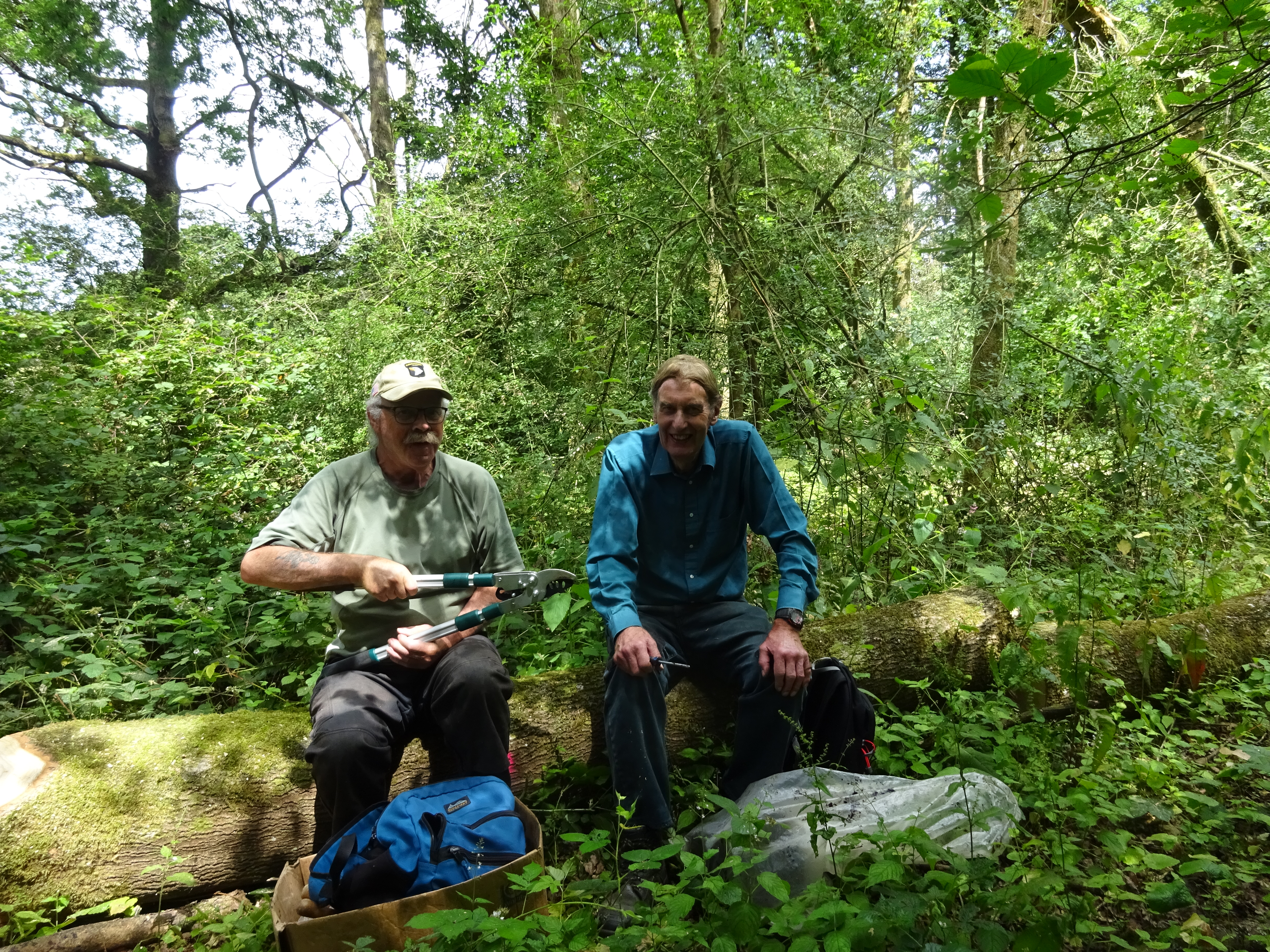 The boxes proved difficult to find amongst the fallen trees and movement between them was like manoeuvring around an obstacle course.
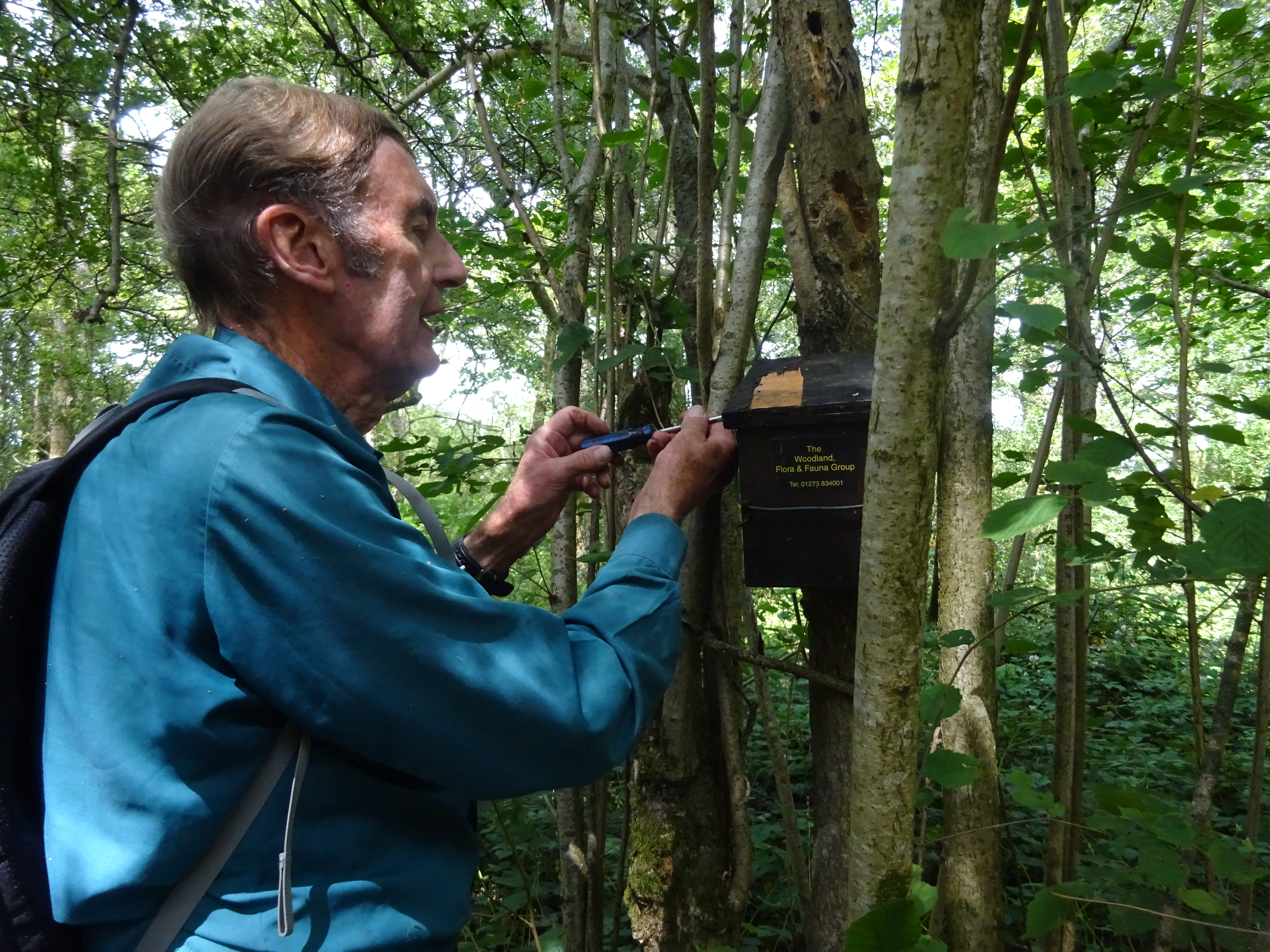 Amongst the boxes remaining in place, some were damaged and required repair.
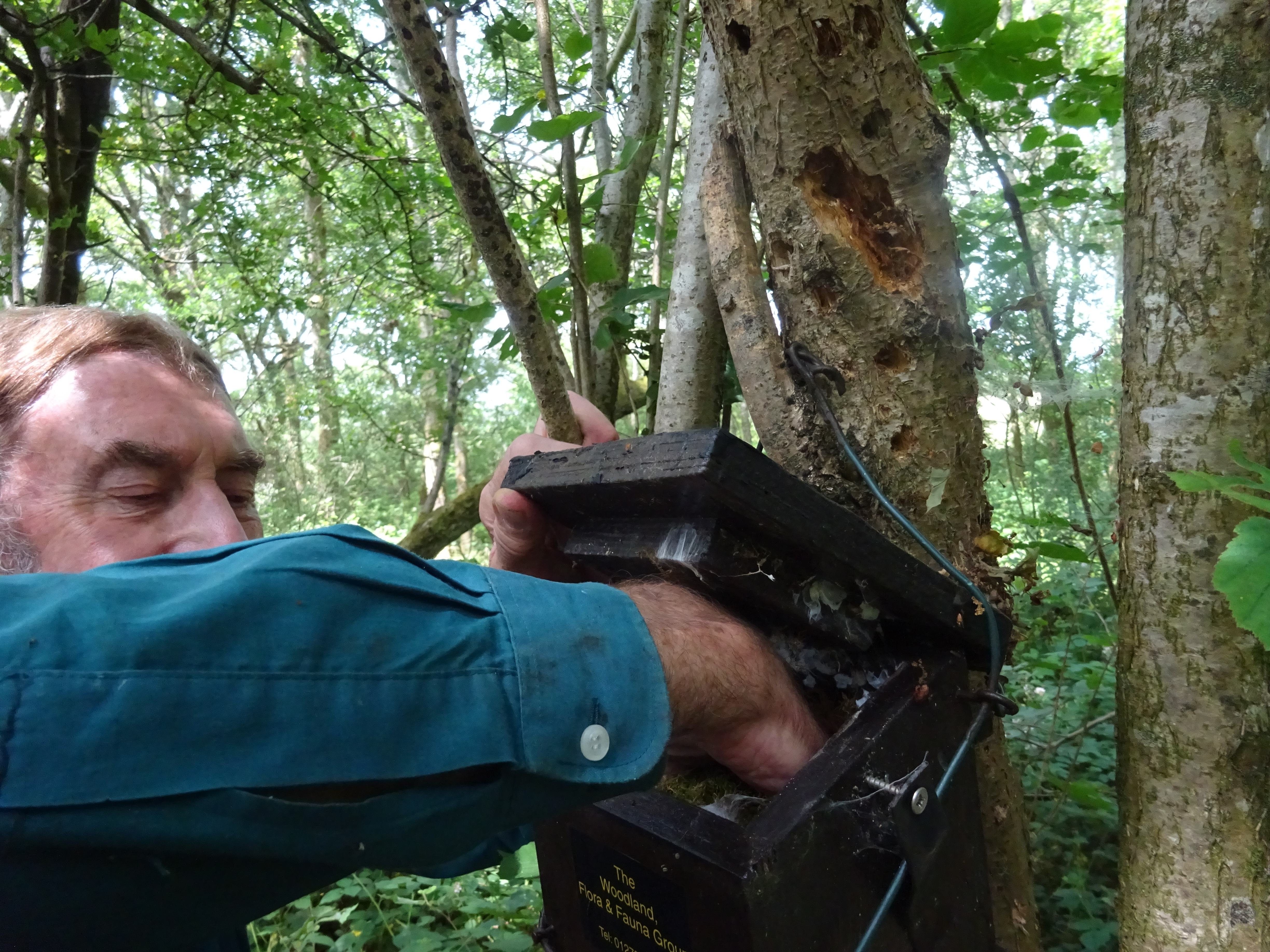 Many were occupied ….
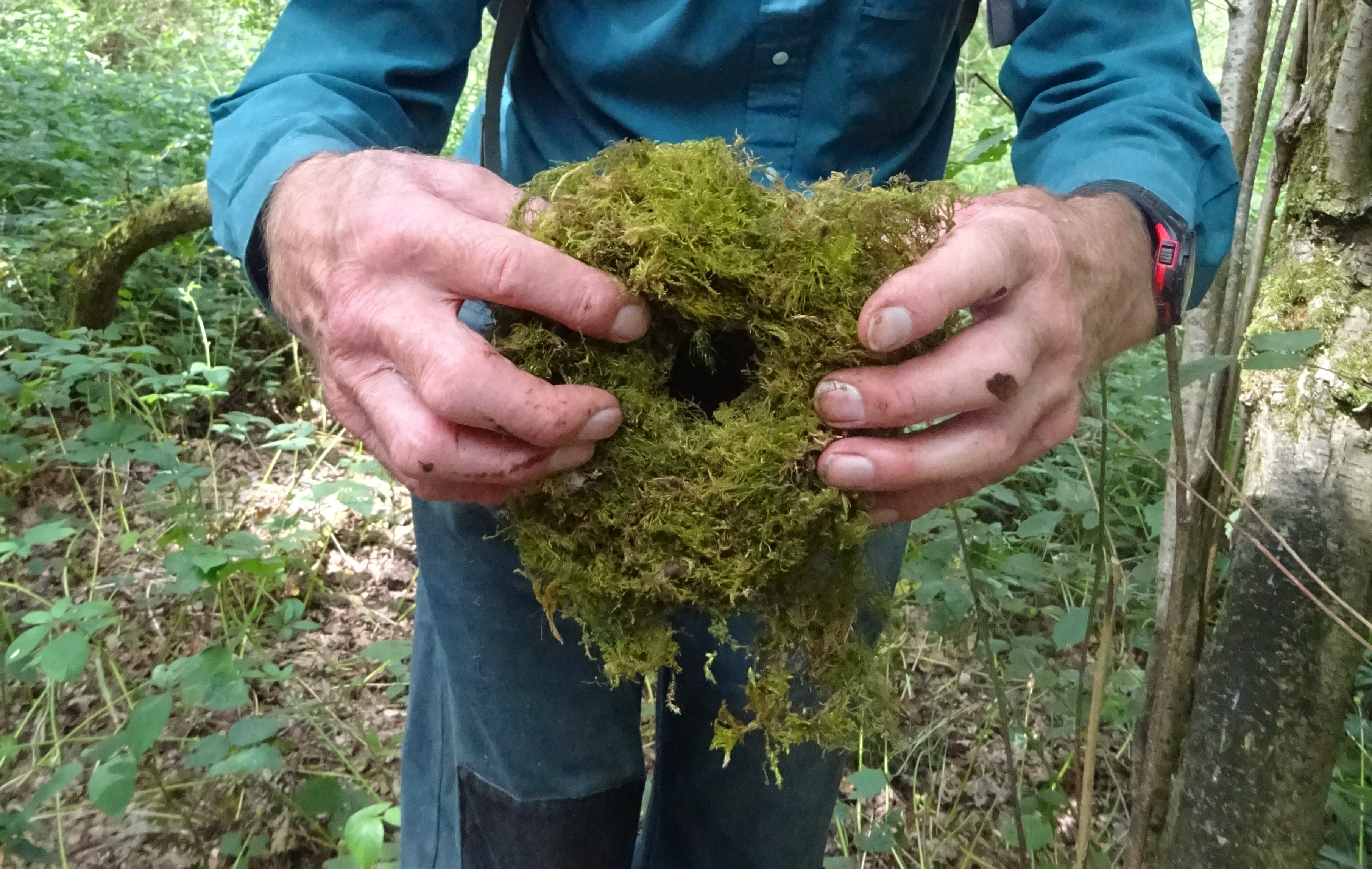 ….but not with the anticipated occupants. Birds of many species had capitalised on the shelter the box provided to make their nests and breed, like this one shown. All old nests were removed to allow dormice to occupy the boxes again.
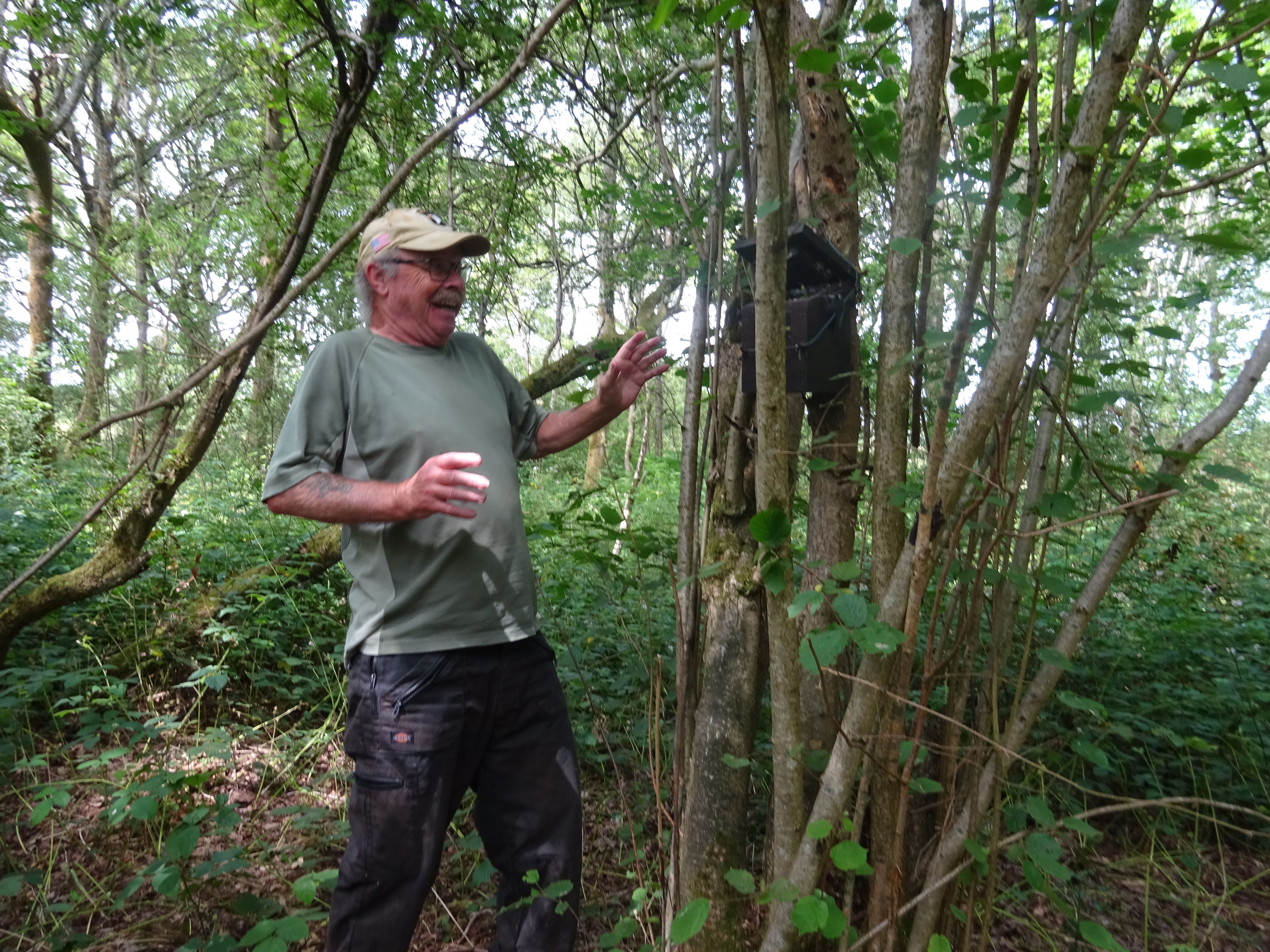 In each box visited it was not known what we would find….
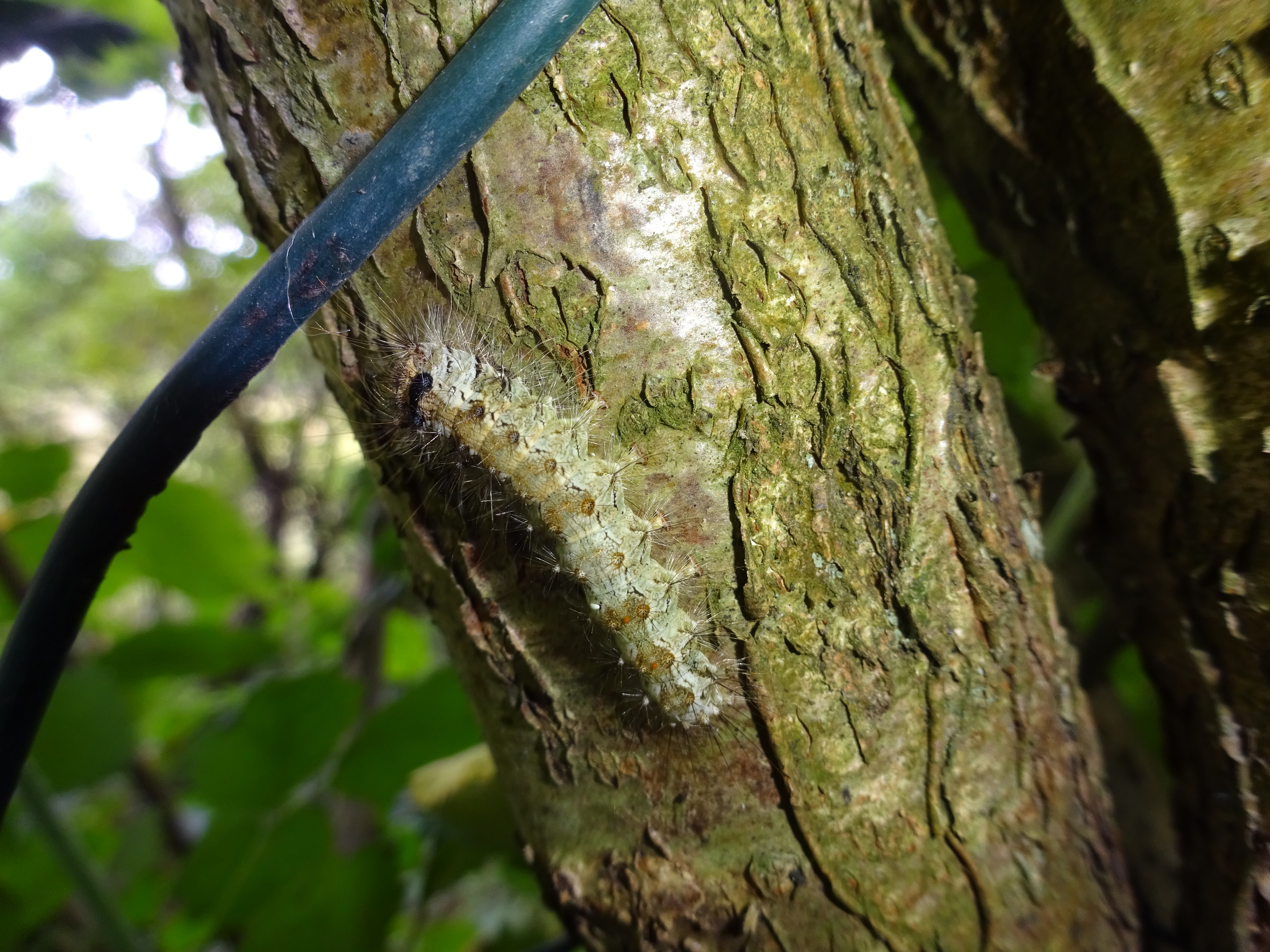 ….with caterpillars, spiders, earwigs, millipedes and moths amongst the many insects found.
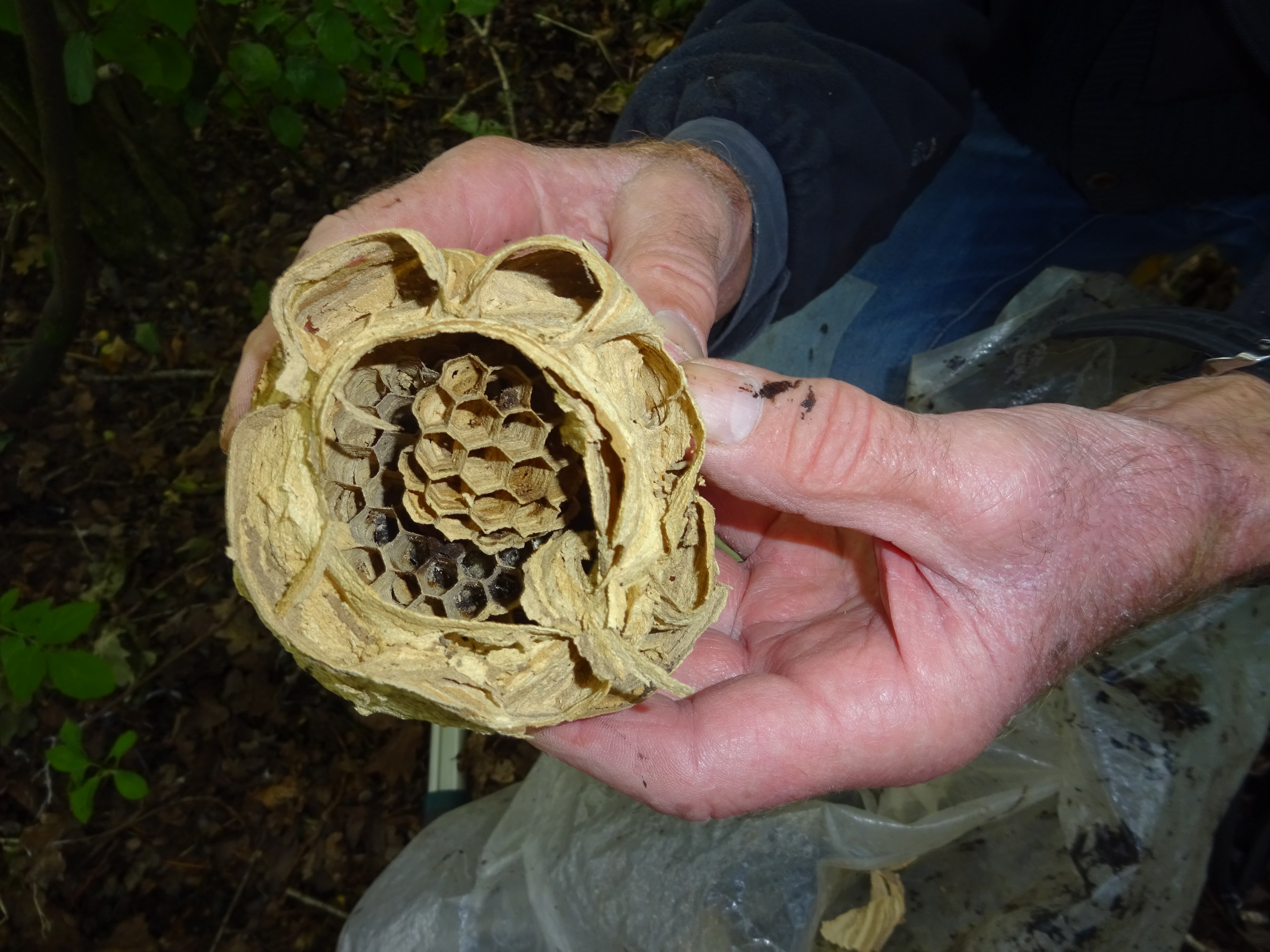 Wasps and hornets nests were also discovered on many occasions.
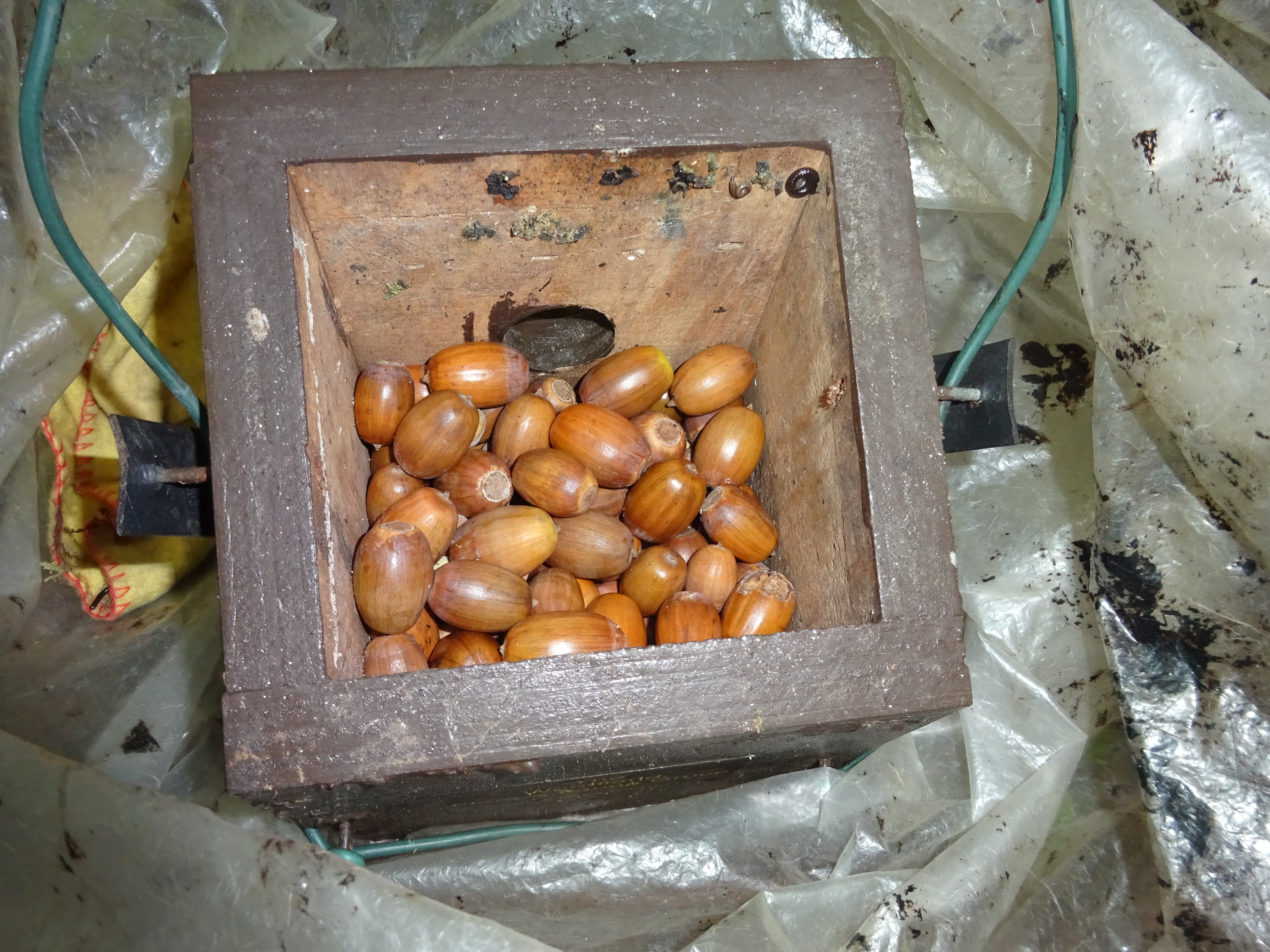 Other boxes were used as wood mice food stores….
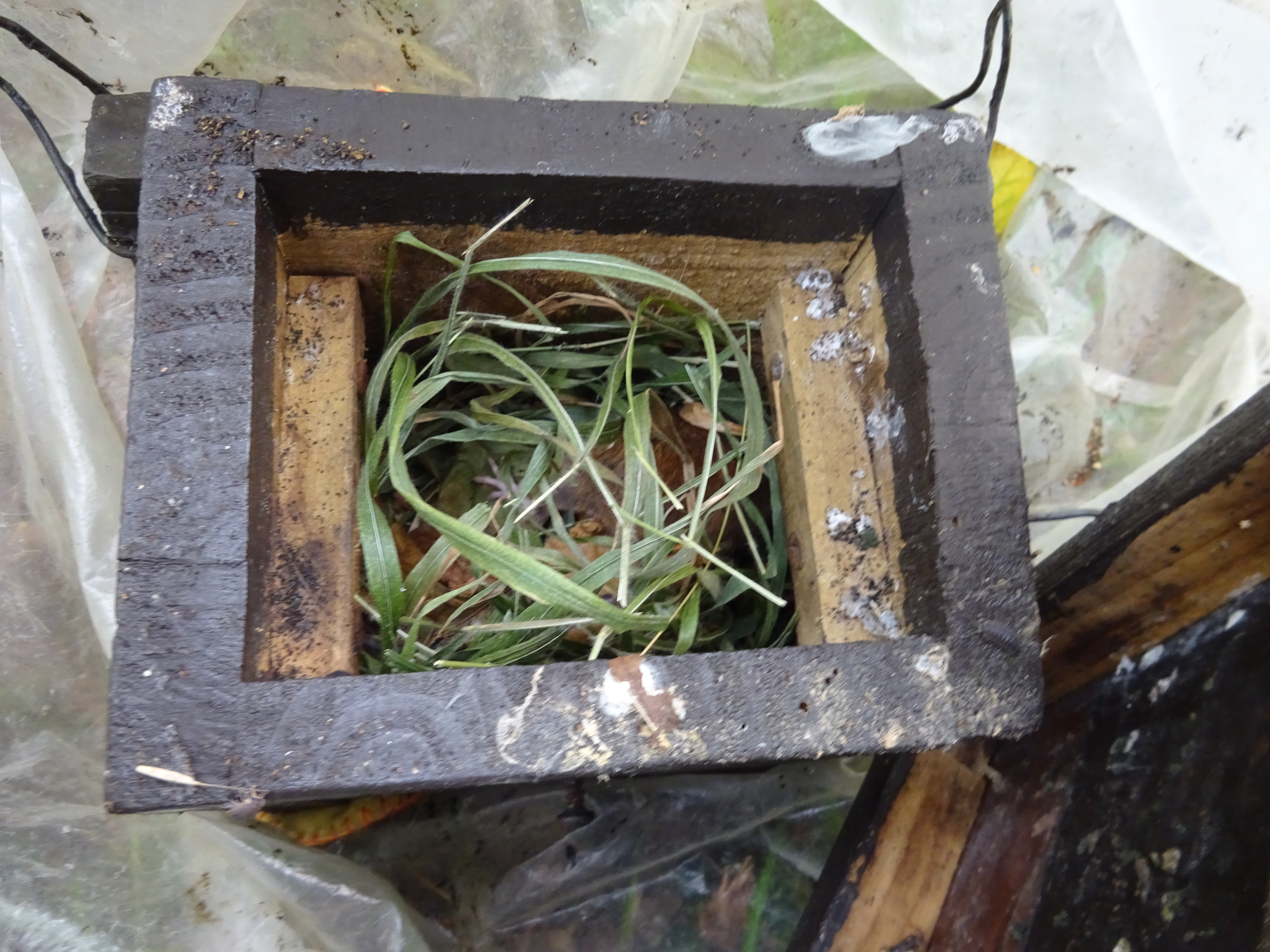 ….and nests, with each tailored to meet the occupants requirements.
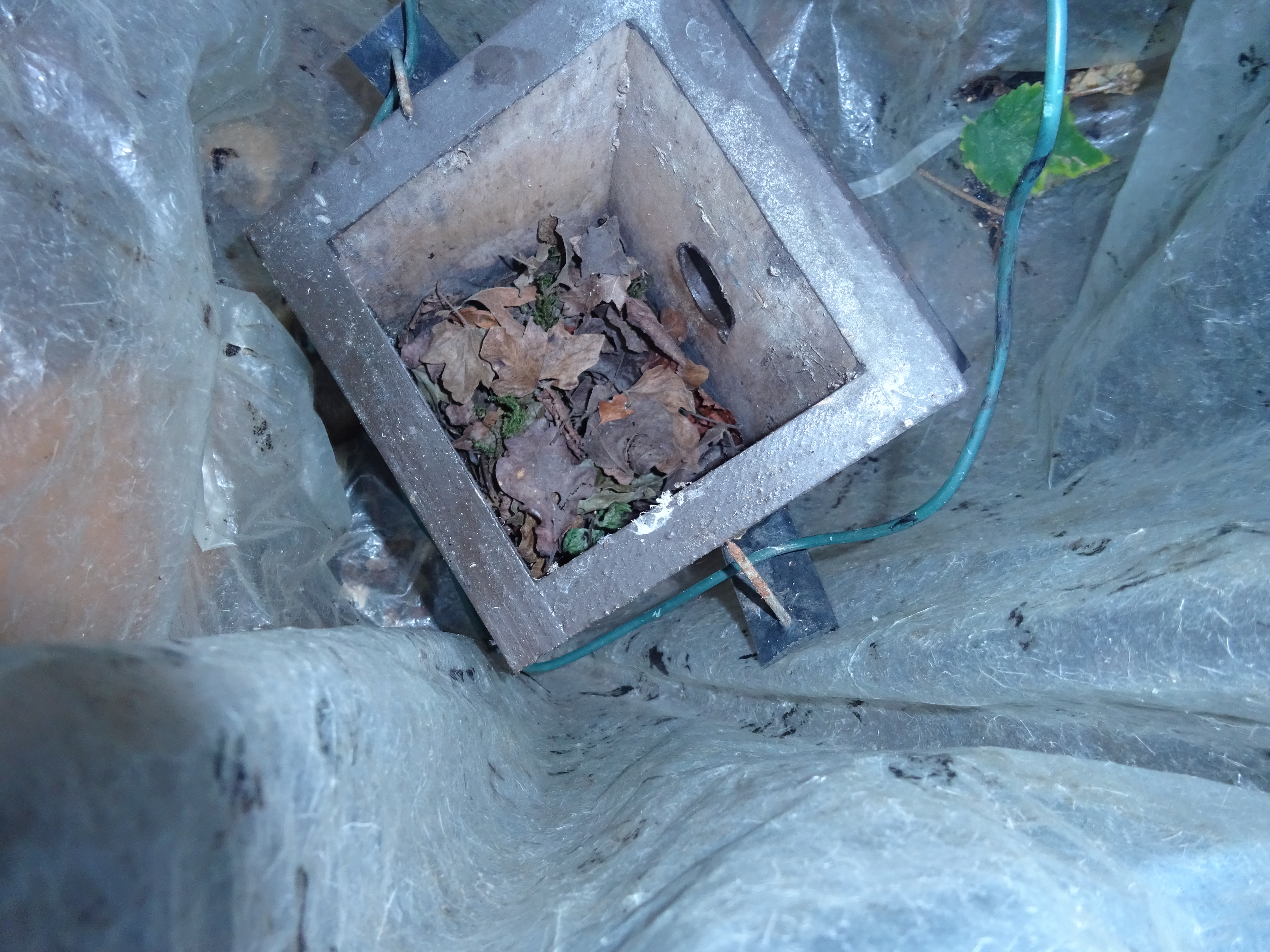 This was typical of the other many wood mice nests we found….
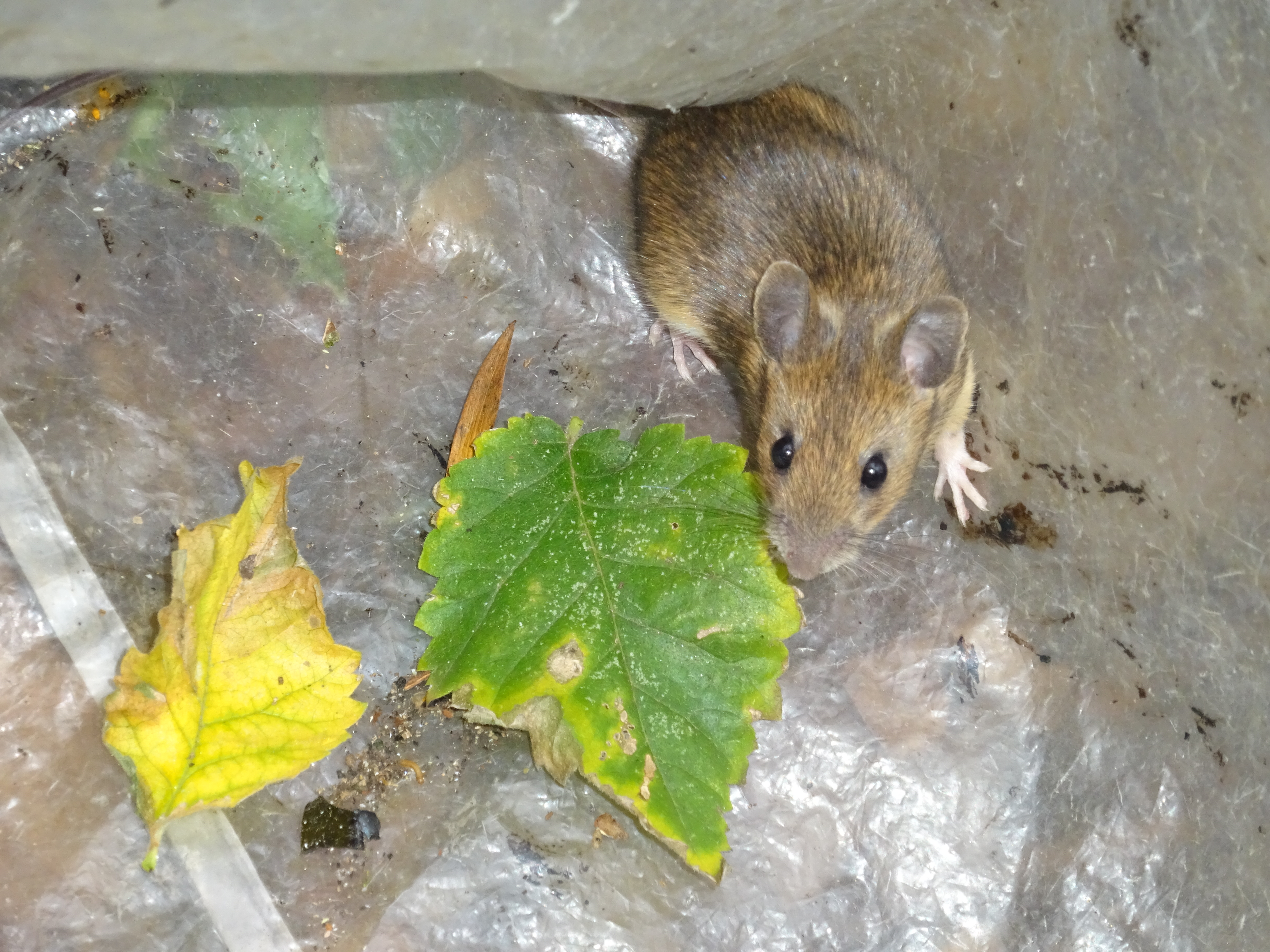 ….with many wood mice found occupying them.
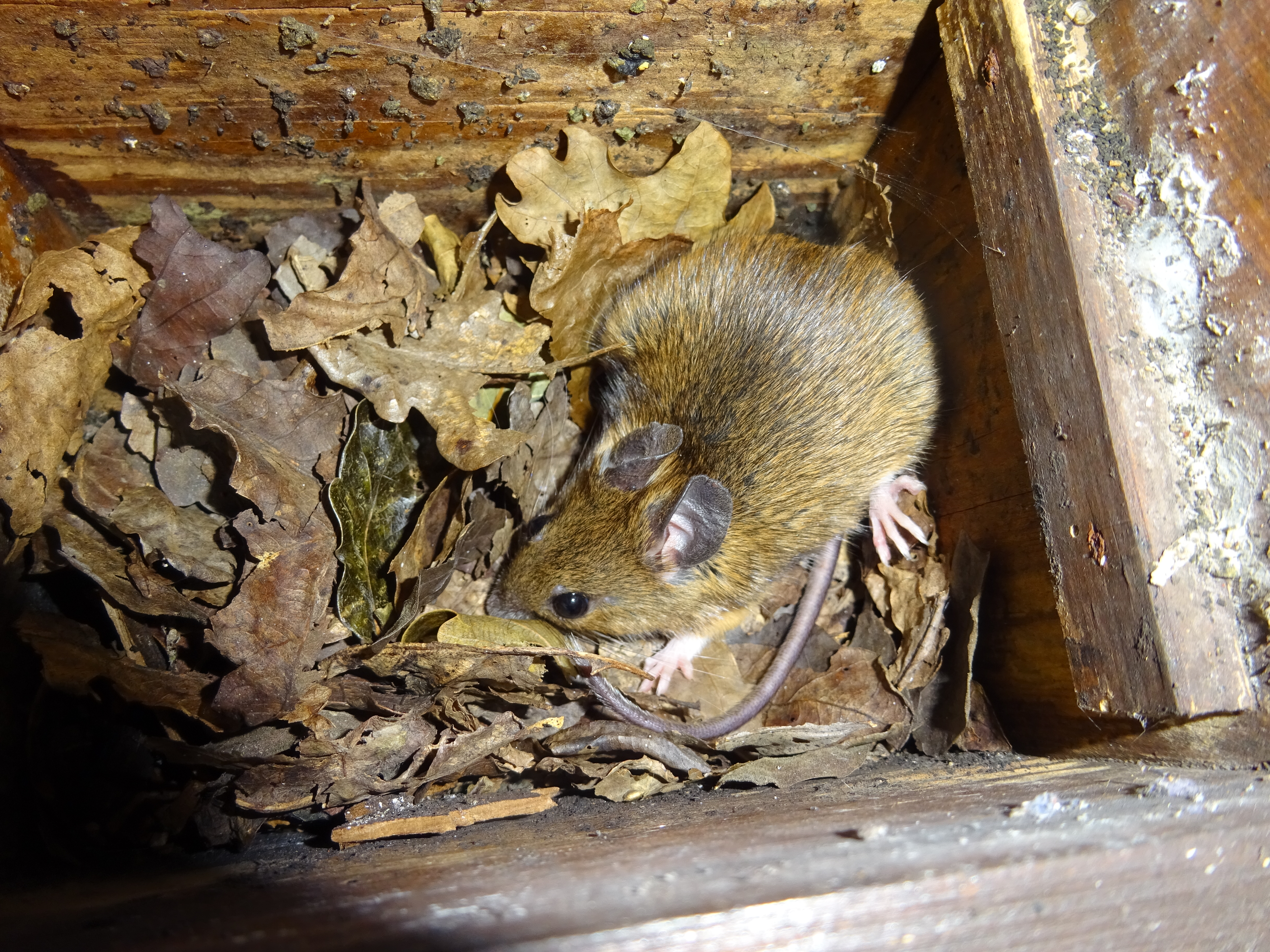 Each mouse was left undisturbed, as so much preparation had already been undertaken by them to prepare their homes to survive summer and the oncoming winter.
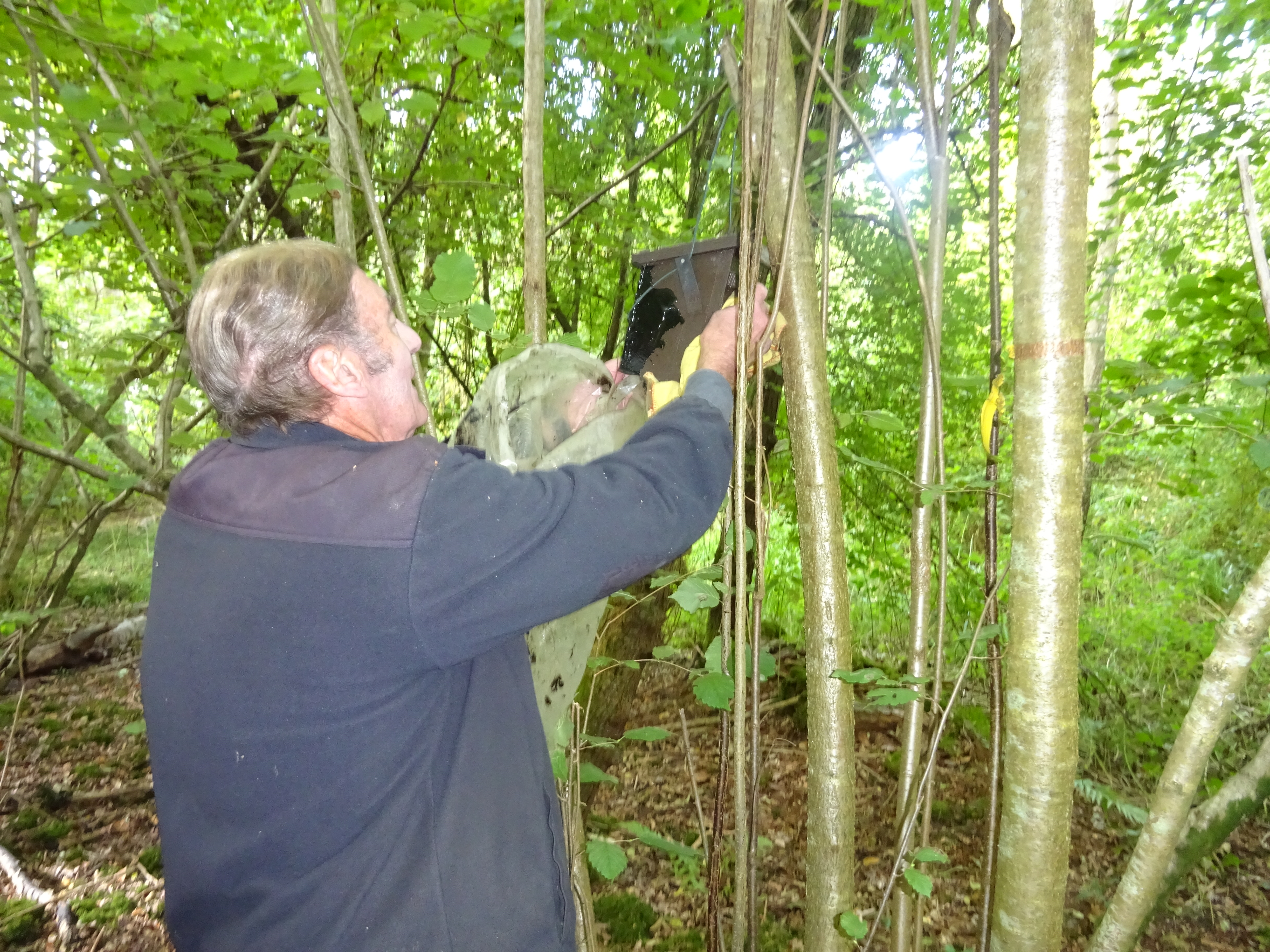 These were not the species we sought but the boxes were serving as assistance to other wildlife survival. Every one was replaced in readiness for hopeful future occupation by a dormouse.
Our attention then shifted to the end of season cleansing of all our bird box installations to make them ready for new nesting arrivals in the spring. With the boxes in the Albourne Millennium Garden already completed earlier, we visited the large number installed at Talbot Field in Hassocks and began the task there. Almost every box had an old nest in it, indicating that a lot of breeding had taken place in this location. All old nests were removed and the boxes were disinfected with bird-friendly ant-bacterial spray.
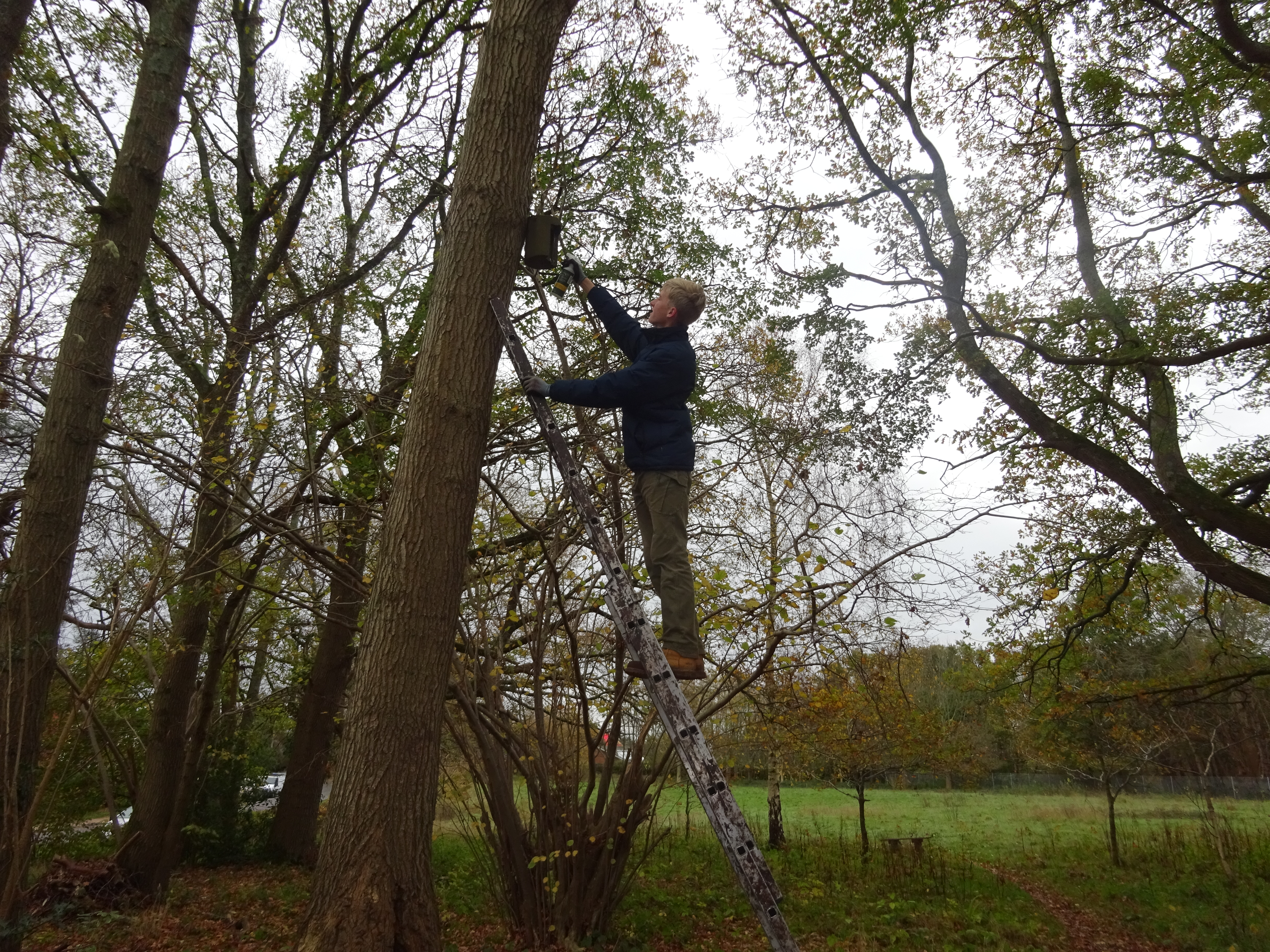 After emptying the box, anti-bacterial spray was applied to the interior.
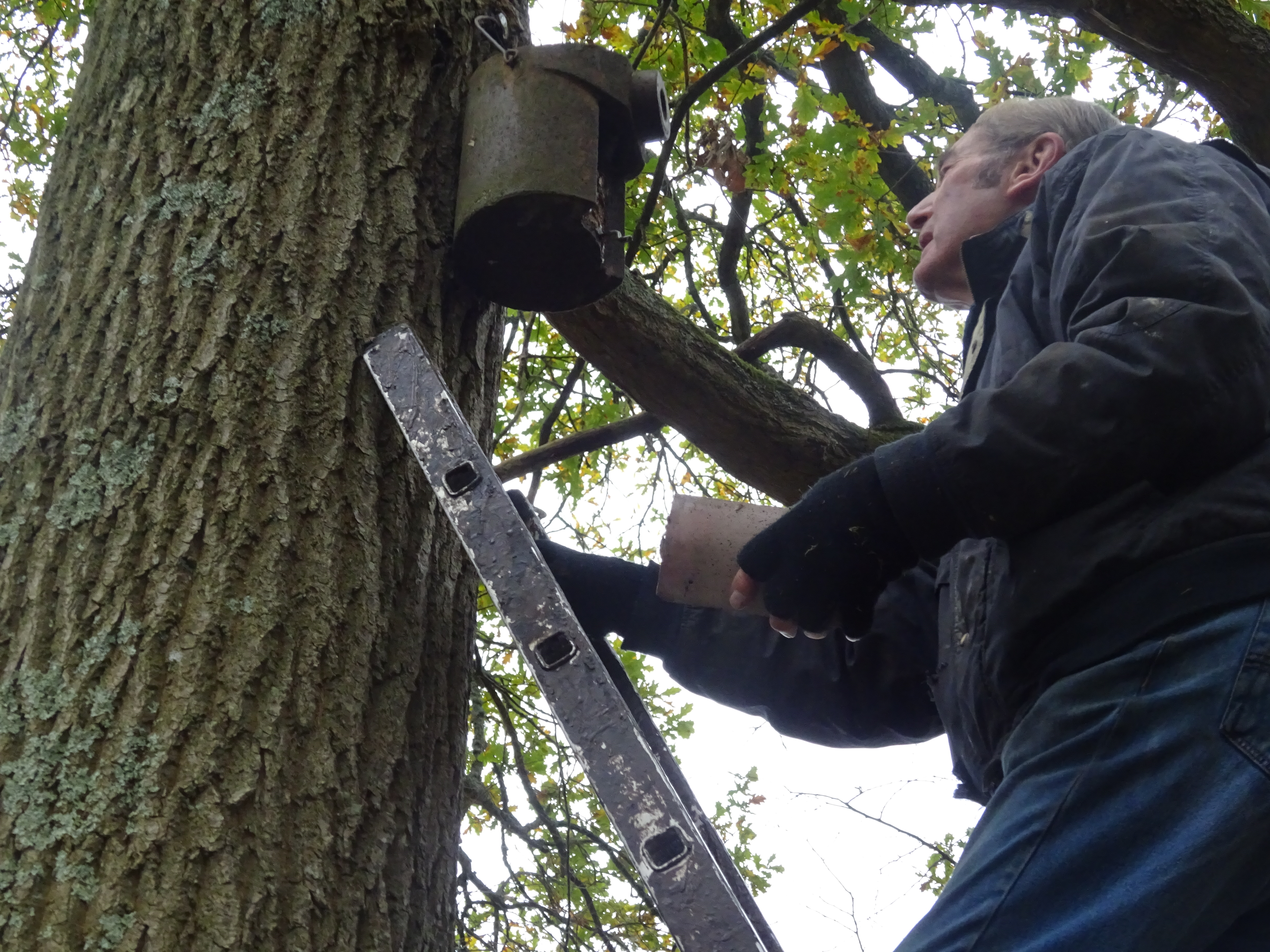 All boxes were of different shapes and sizes to cater for the varying requirements of each species.
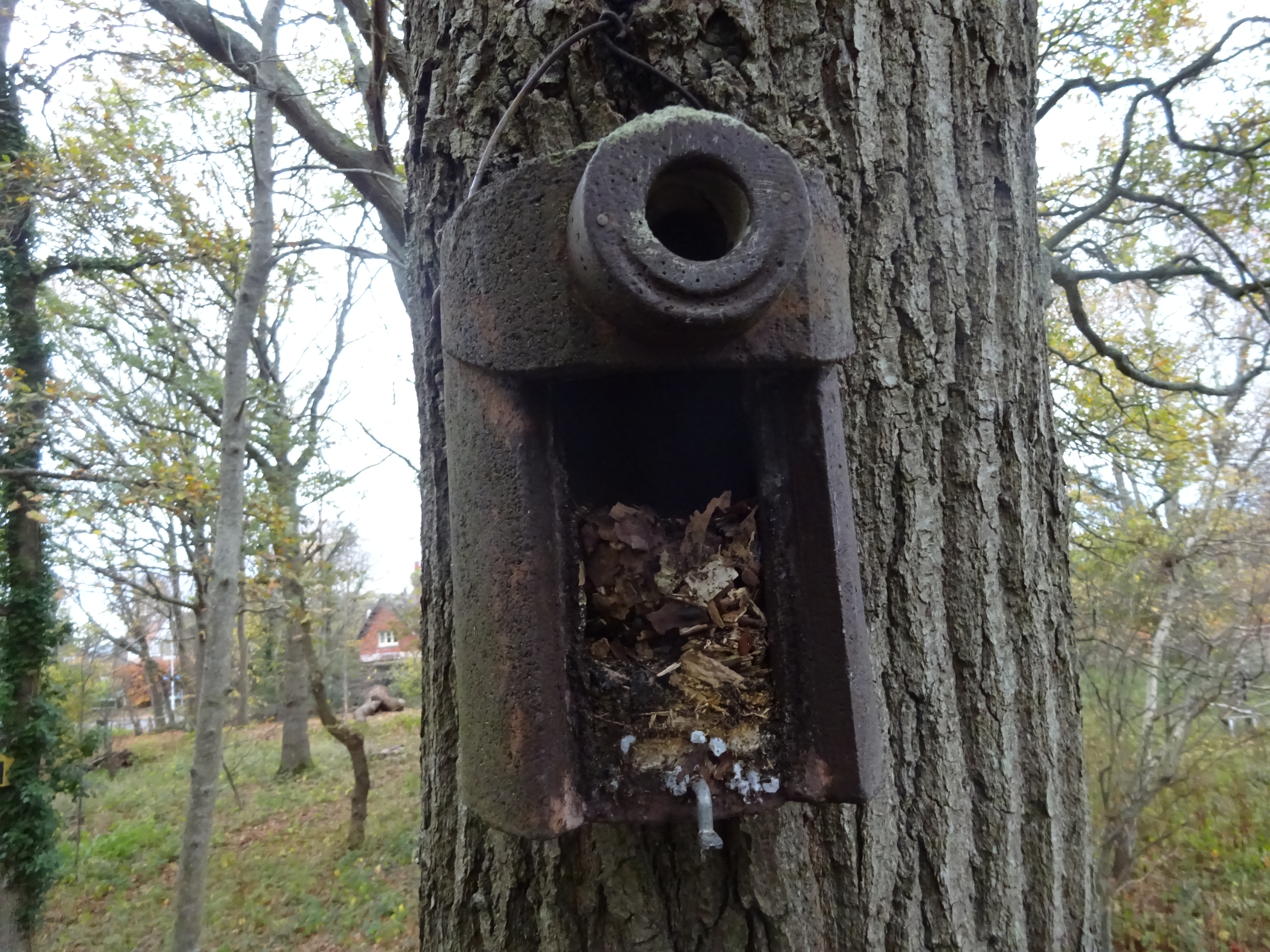 This was a box of a type favoured by nuthatches, and every year we find their old nests inside.
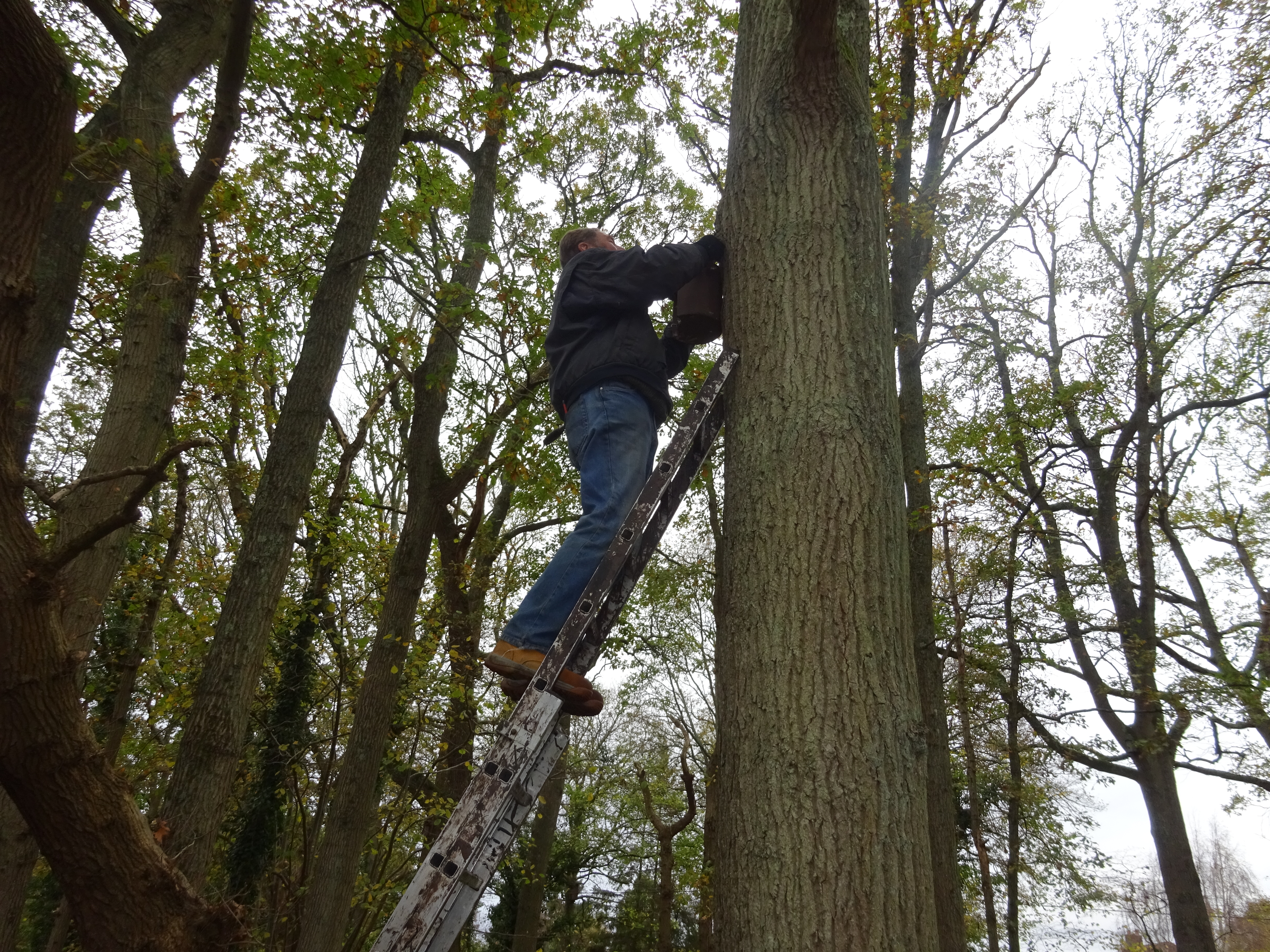 When cleaned and disinfected, the box fixings were checked.
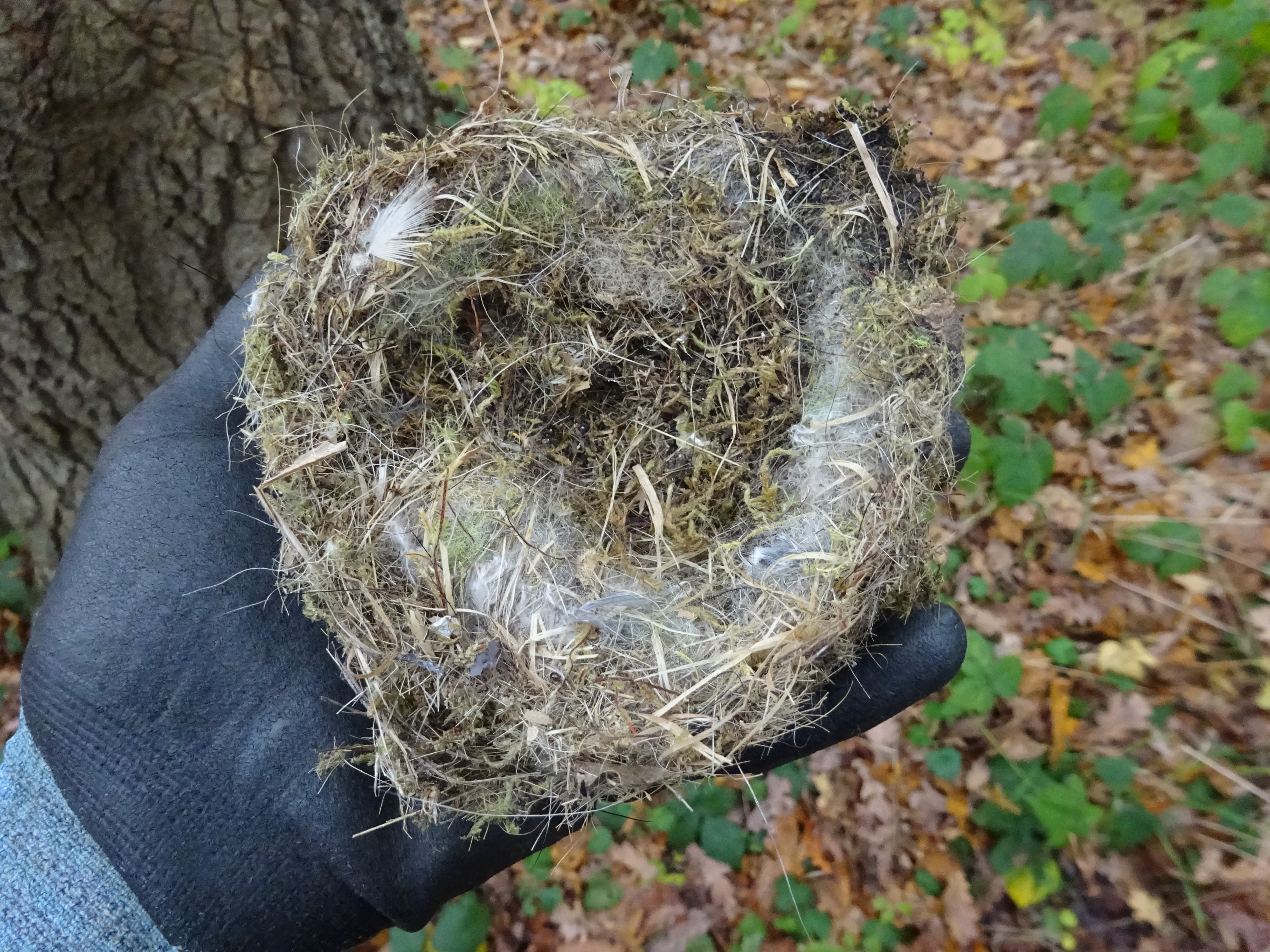 The majority of occupants this year, in addition to the nuthatches, were bluetits, and great tits. Their old nests were as shown in this picture.
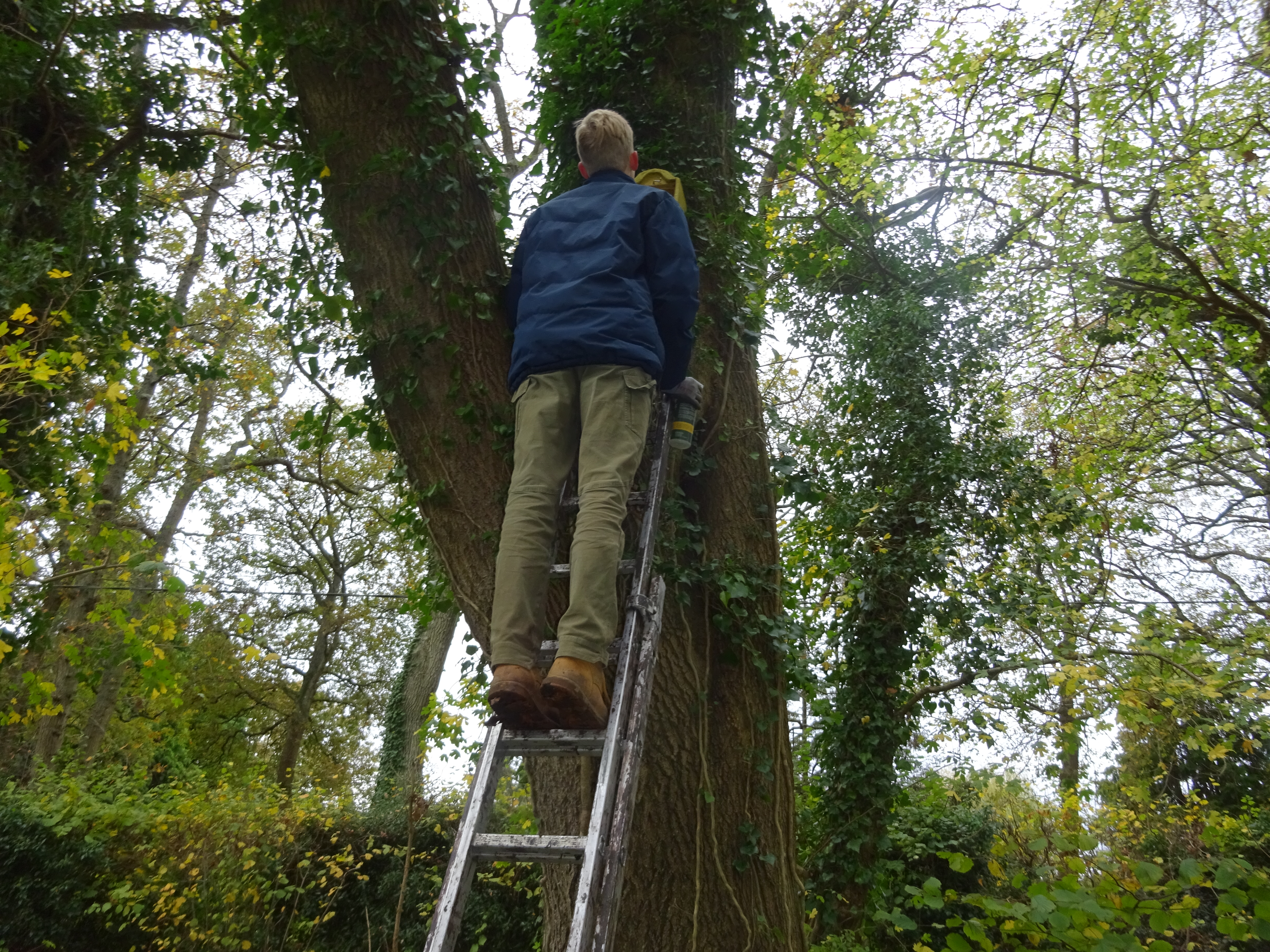 In this woodland, the bramble understorey growth is managed and controlled by us, so transporting the ladder between box locations is far easier.
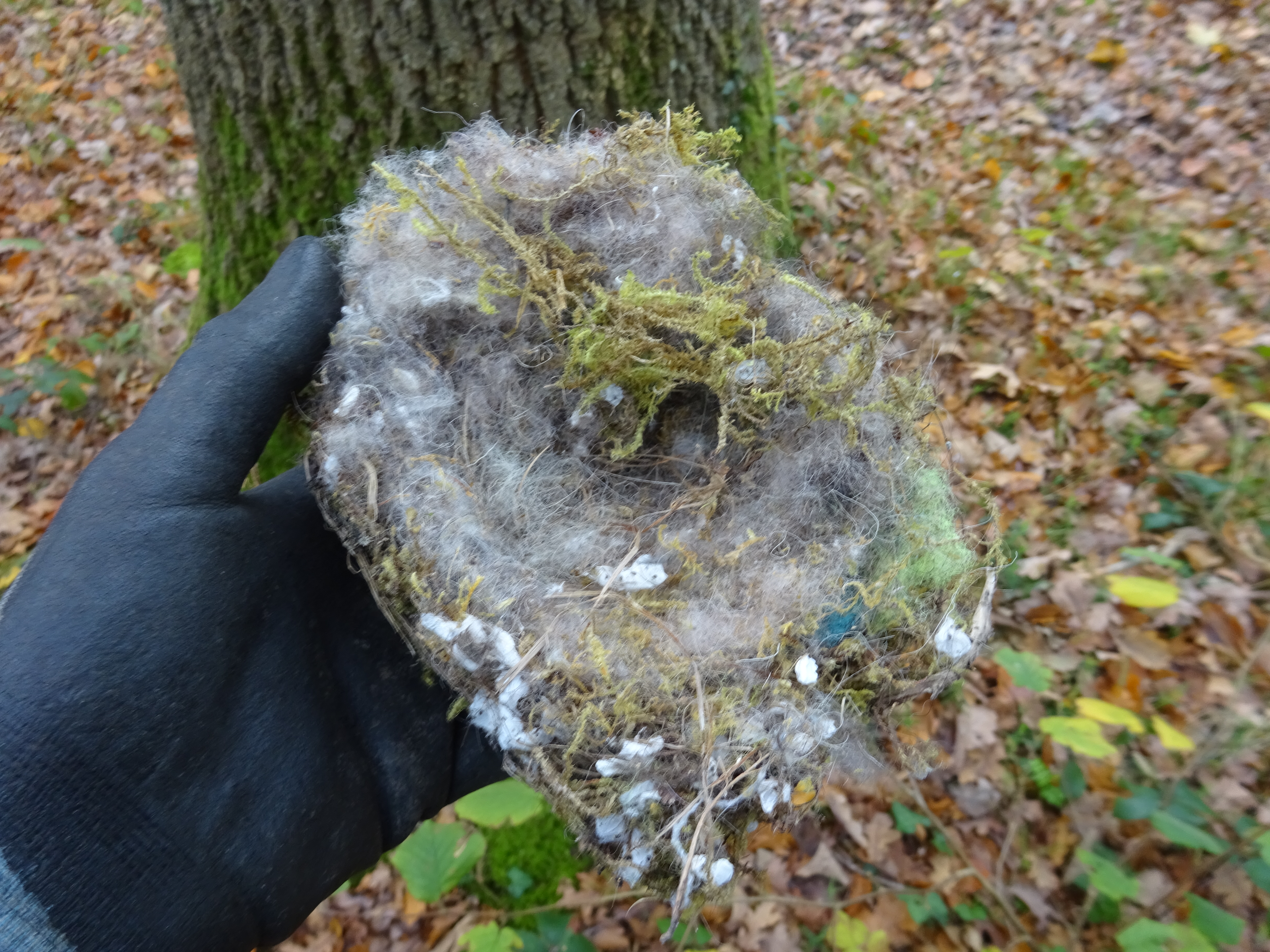 Each nest is examined for breeding success and obvious signs of disease or misfortune.
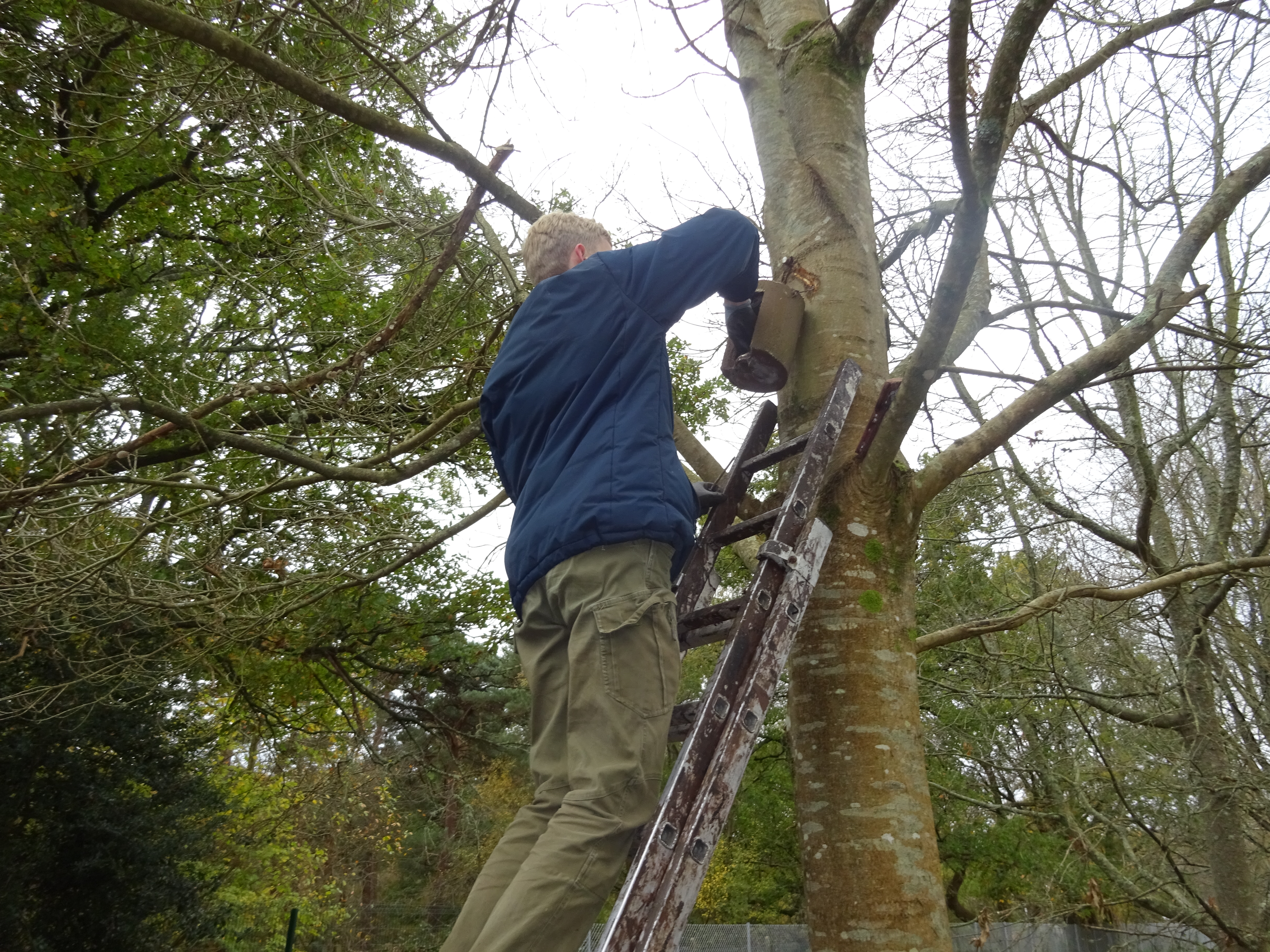 This was the last box checked with the total number of nests found reflecting the site’s considerable value to wildlife.
The Woodland, Flora & Fauna Group were approached by Albourne Parish Council in the last few months of this year, to ask if we could organise and help with the creation a joint wildflower planting venture with Albourne School. This was to be located in Albourne Millennium Garden, where we had already installed bird nesting boxes for the Parish Council. We were of course, very pleased to help and ordered 500 bluebell bulbs for a class of Albourne School children to plant. With a little nervousness about choosing a day which could produce some dry weather for the occasion, in an otherwise very wet period, we agreed a date for the children to undertake the task. We were surprisingly lucky with the date chosen and benefited from a short period without rain. The pictures below show the occasion and how the task was achieved.
Initially some of our group members attended and placed white plastic markers correctly spaced for planting. Holes were then made beside each marker with dibbers. When the children arrived they were presented with a box of bluebell bulbs and shown how to plant them in each hole, and which was the correct way up.
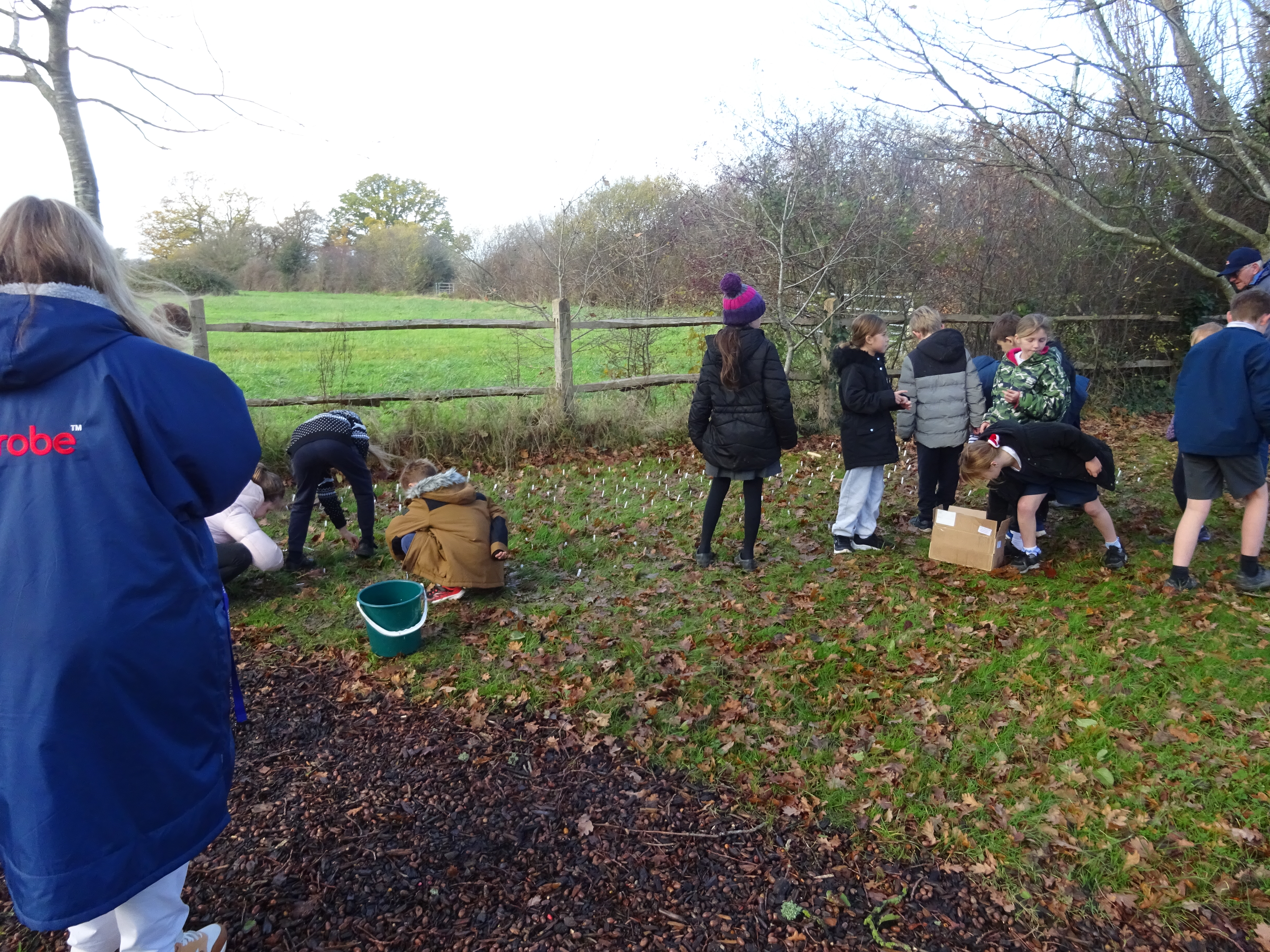 The children arrived and had the task explained to them.
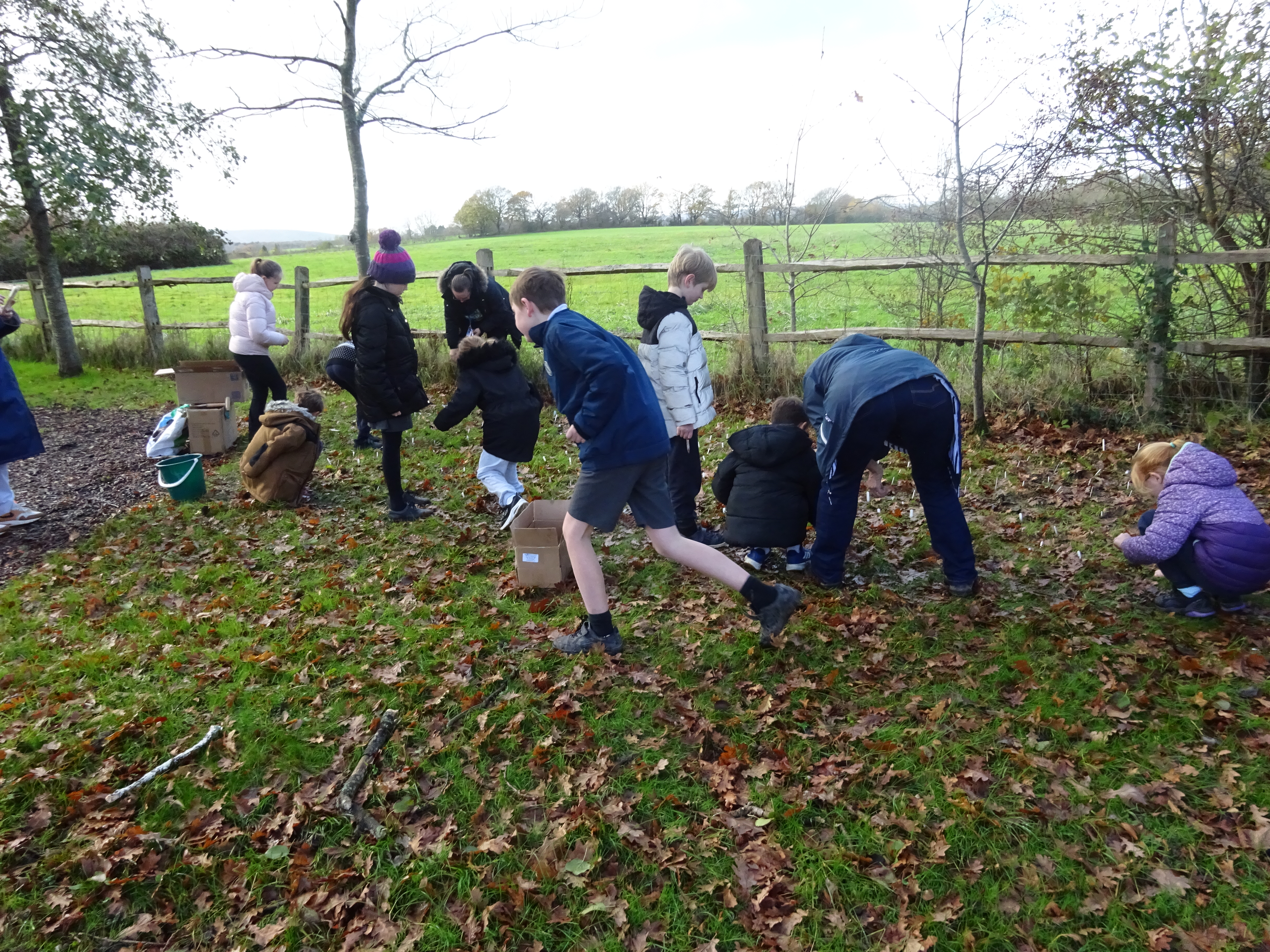 They were very keen and tackled the task with enthusiasm.
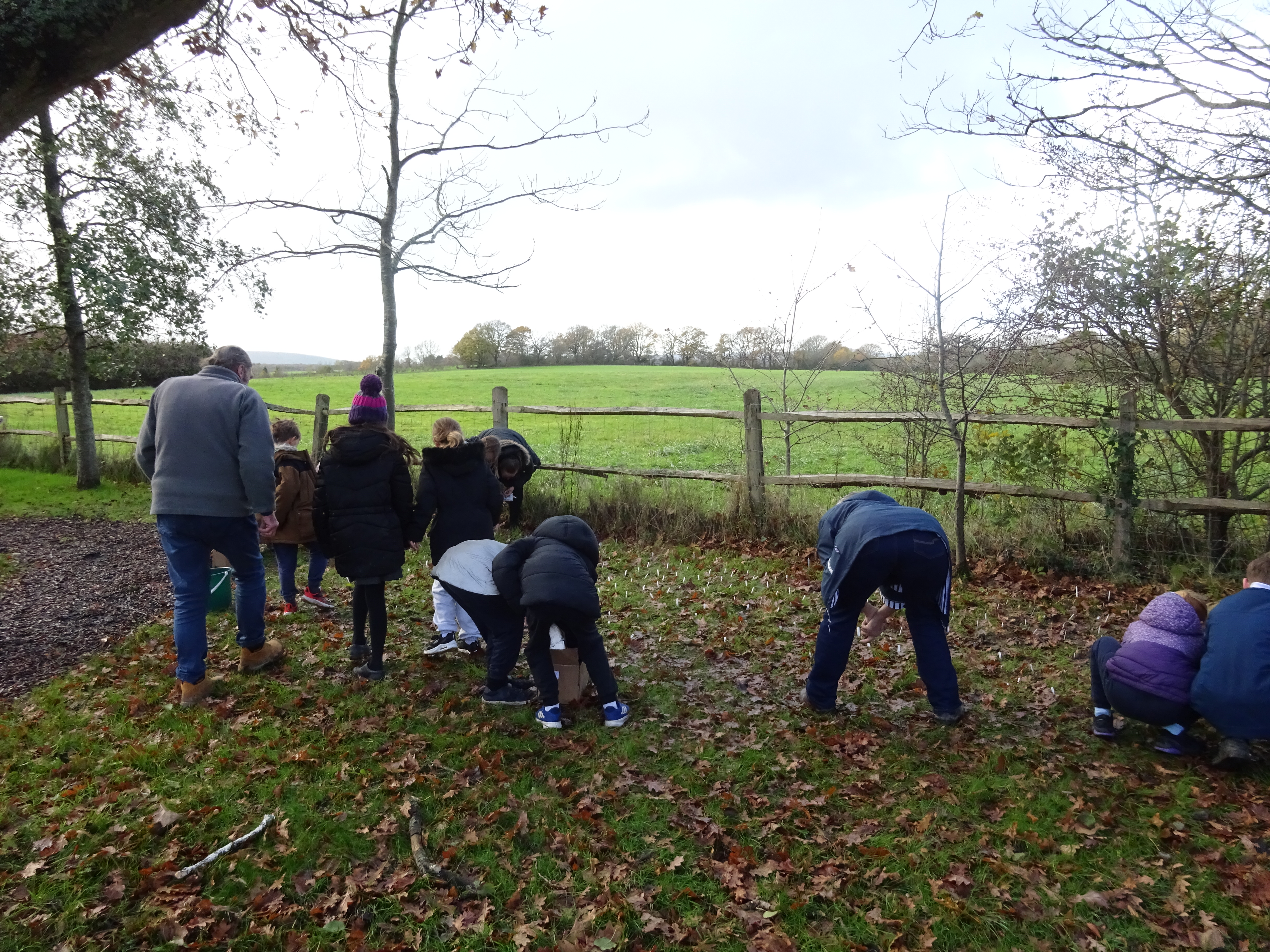 Taking a bulb from the box each time, they began filling the holes.
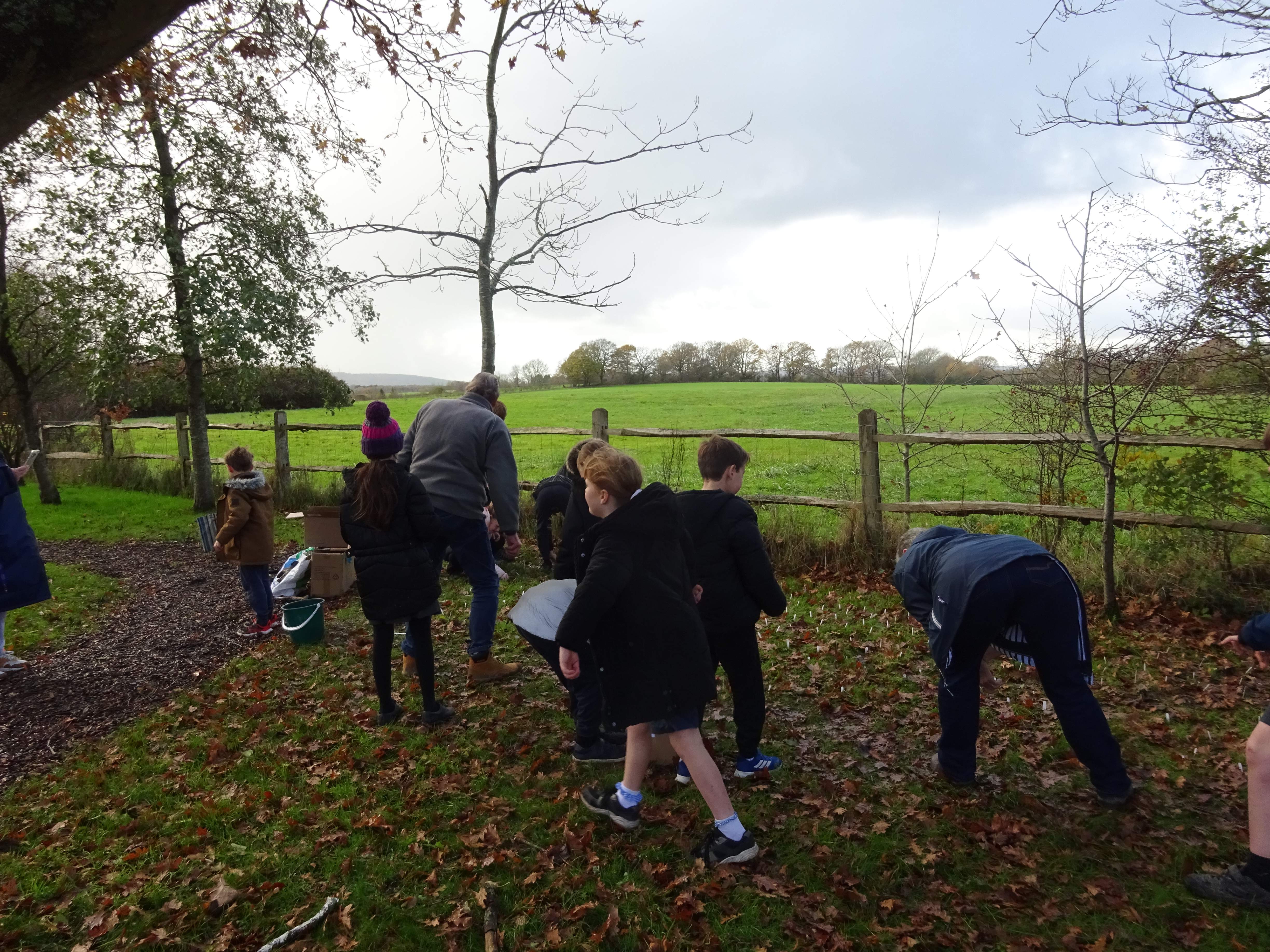 Group volunteers, a parish council representative and the teachers guided the children throughout the task.
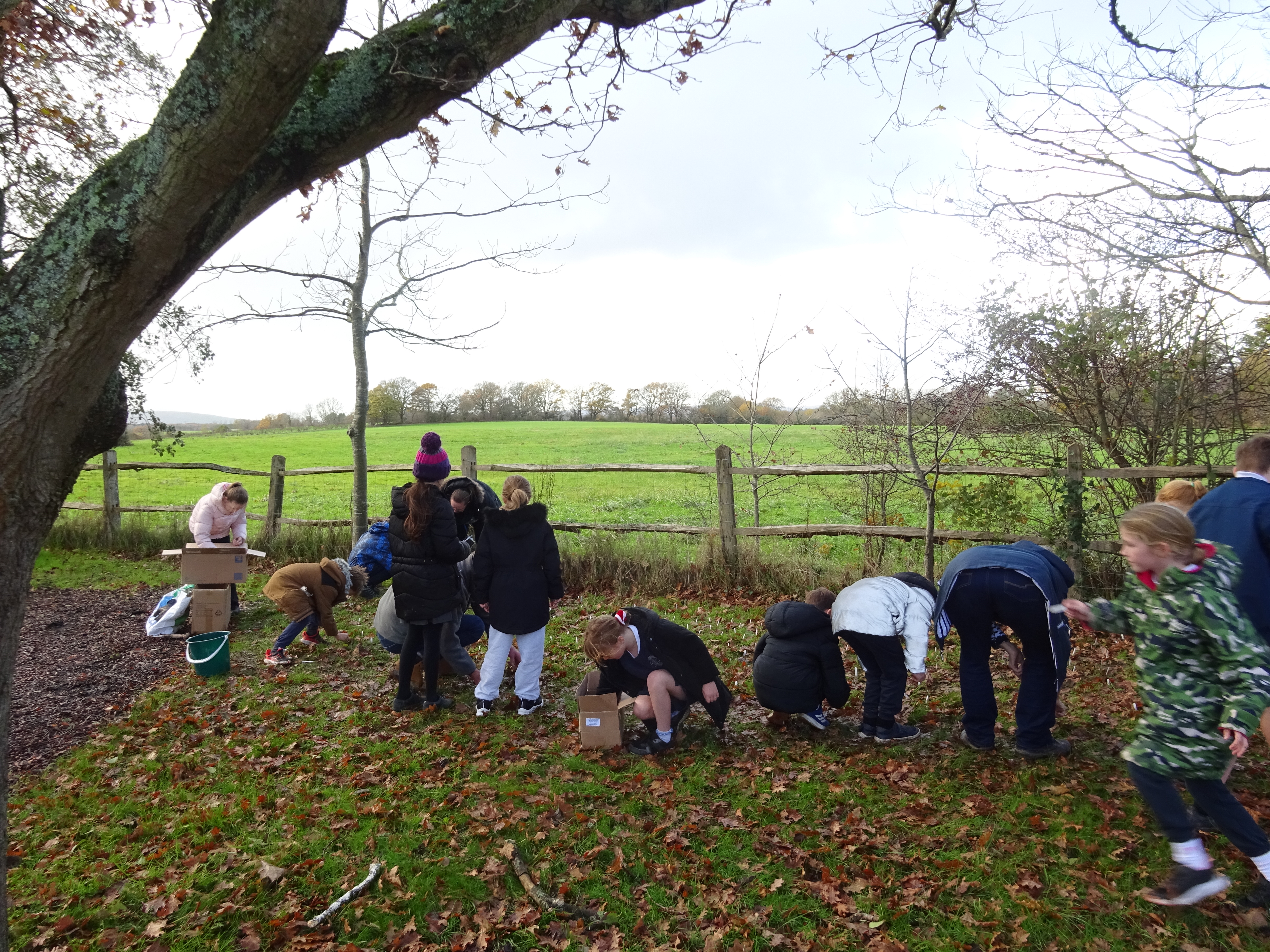 The children embraced the activity wholeheartedly and created a momentum of their own, as seen in the pictures below.
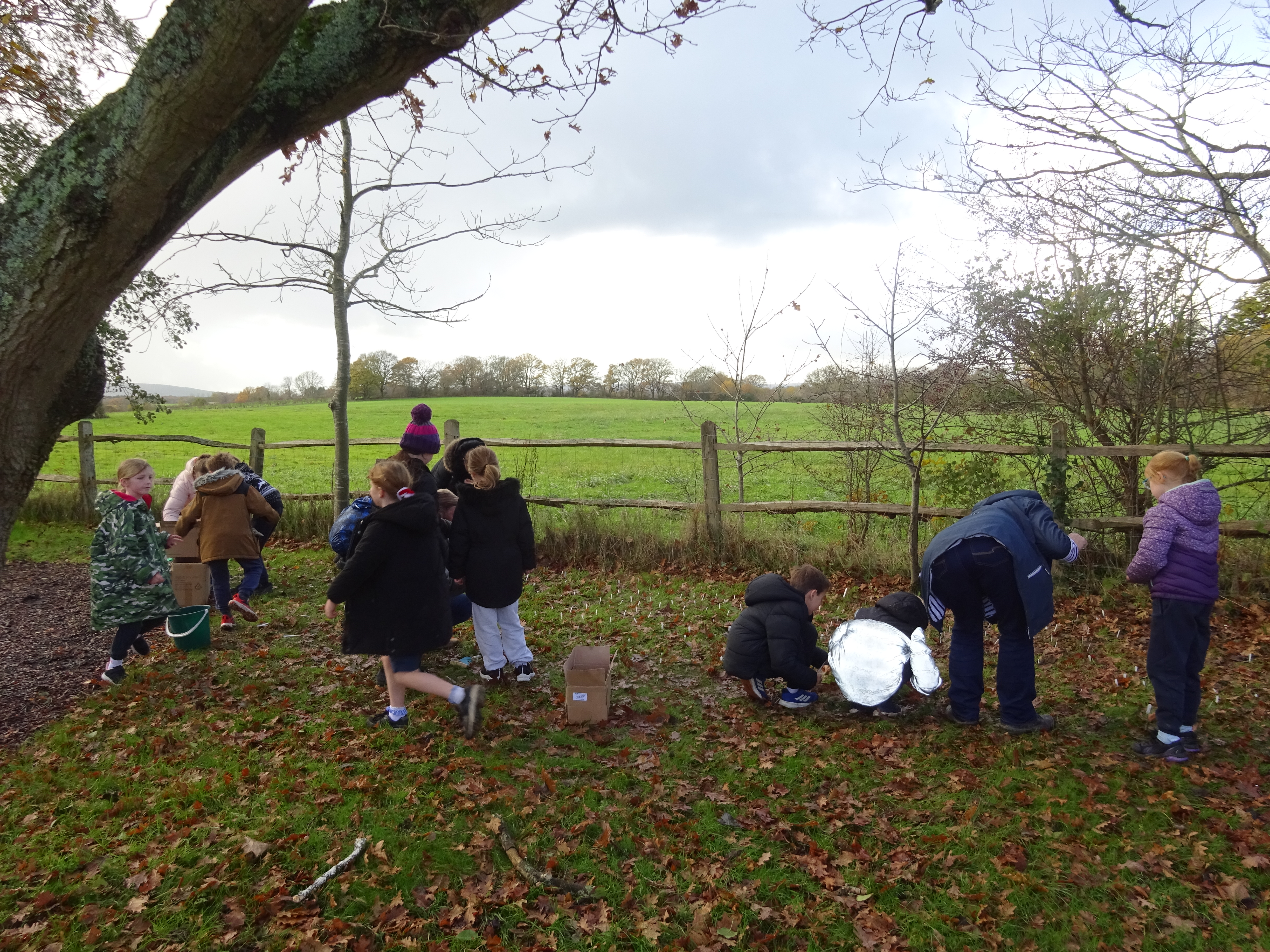
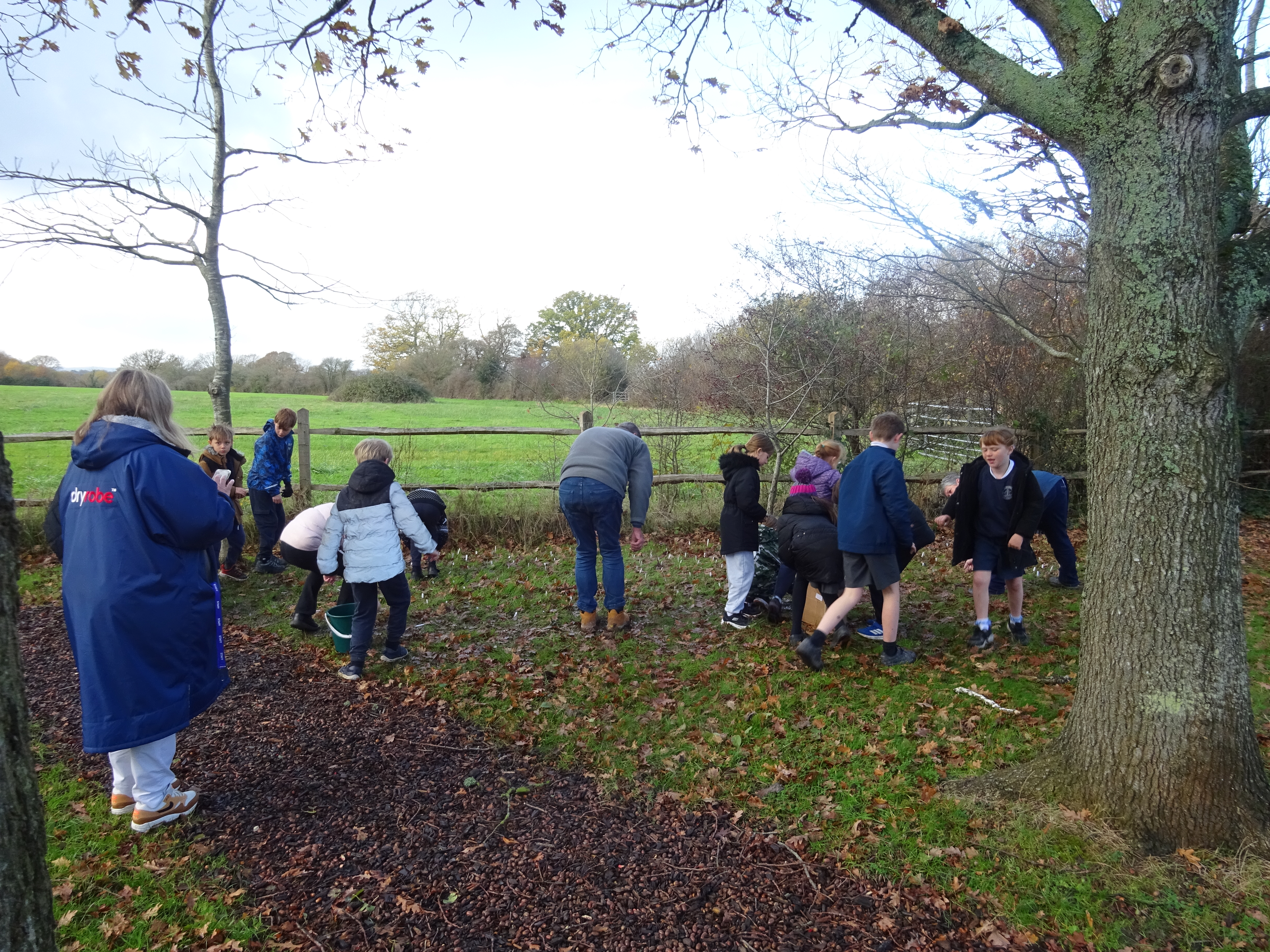
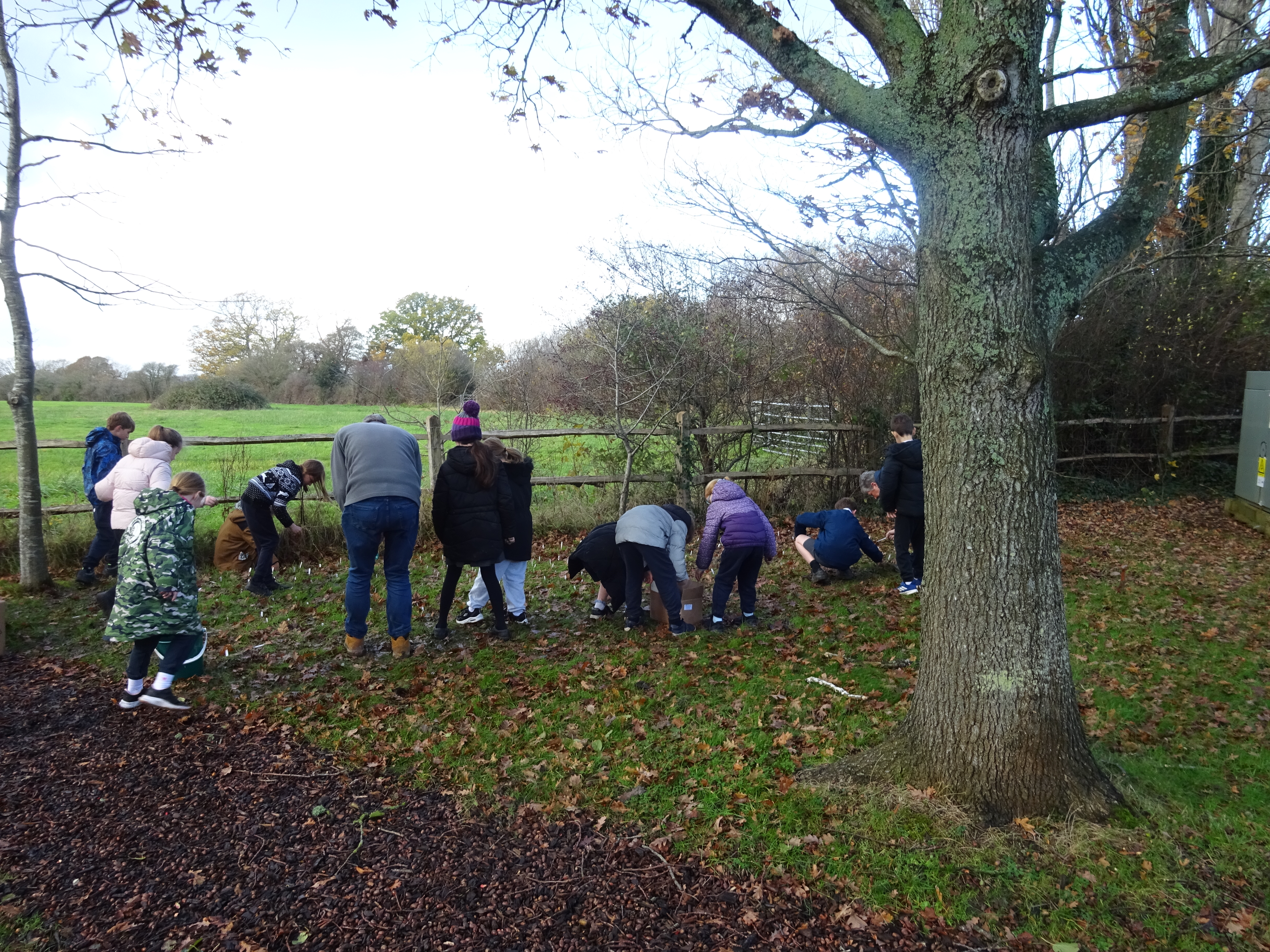
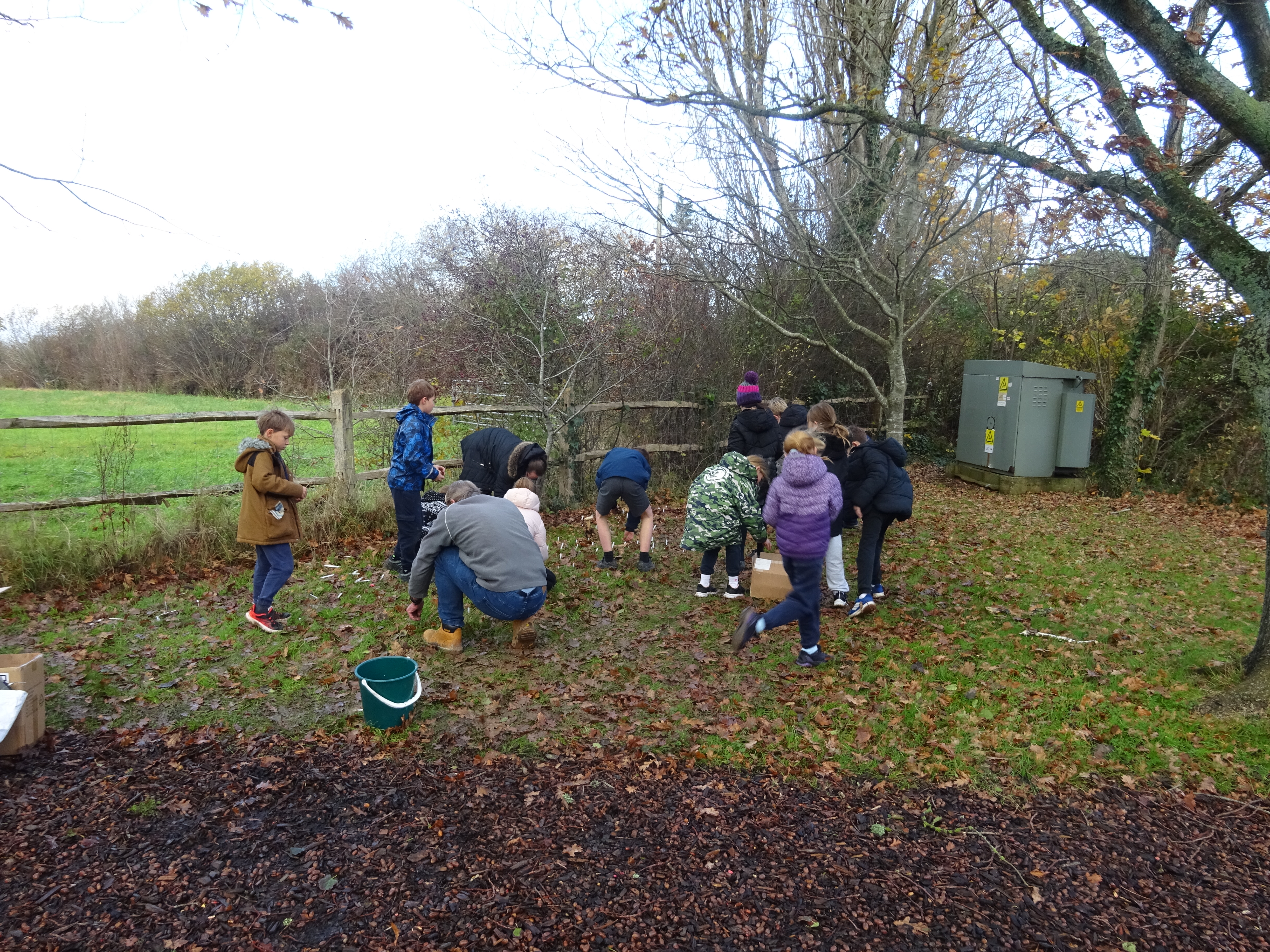
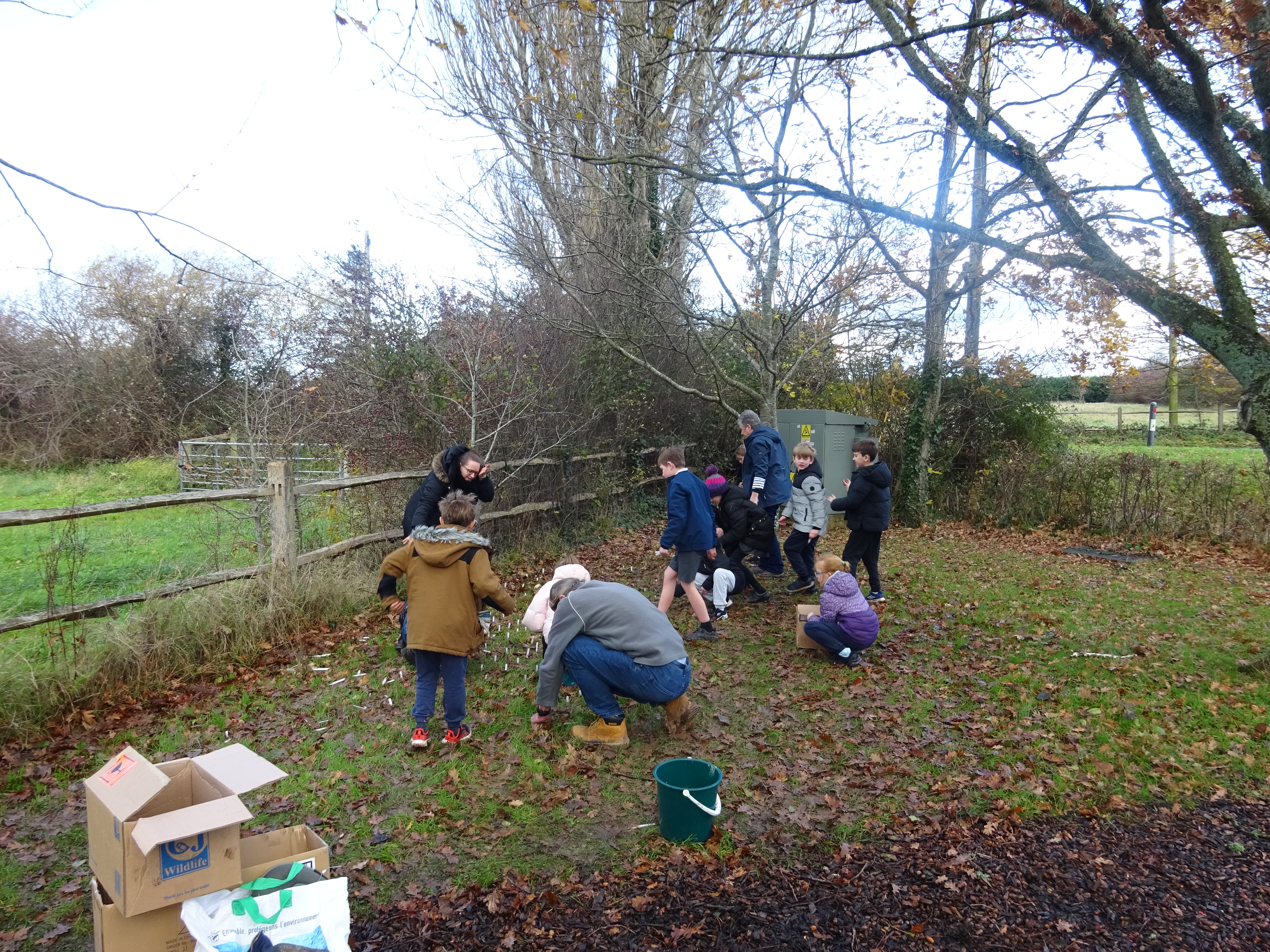
Apart from a few requests from the children to remove a small number of bulbs from the holes when they realised that they had planted them upside down (some bulbs were not immediately obvious to differentiate the top from the bottom) they did magnificently well. So much so, that we will be forming a queue to try to recruit them as group volunteers when they are older. The completion of the task was unfortunately interrupted by a heavy rain shower which forced a speedy conclusion, but group volunteers returned several days later to ensure the remaining bulbs were planted, and all the holes filled in. Hopefully next year will see a proportion of new shoots appearing ,despite the fact that most of the bulb energy may be taken in the production of roots and shoots in the first year of growth. The following year however, should see them in full bloom, and should be a display the children can be proud of.
Later this year, despite the difficulties we were encountering to catch up with the work backlog caused by the continuous wet weather, our attention turned back to addressing some of the outstanding owl box requirements. Some boxes had been identified in last year’s owl box maintenance program, to require replacement due to weather, squirrel and other damage. We also had a number of boxes that were waiting to be fitted to fulfill requests from landowners and others. Some were undertaken but other seasonal demands had prevented all of the work being completed. The first of these was a tawny owl box promised to one of our keenest supporters and a valuable volunteer.
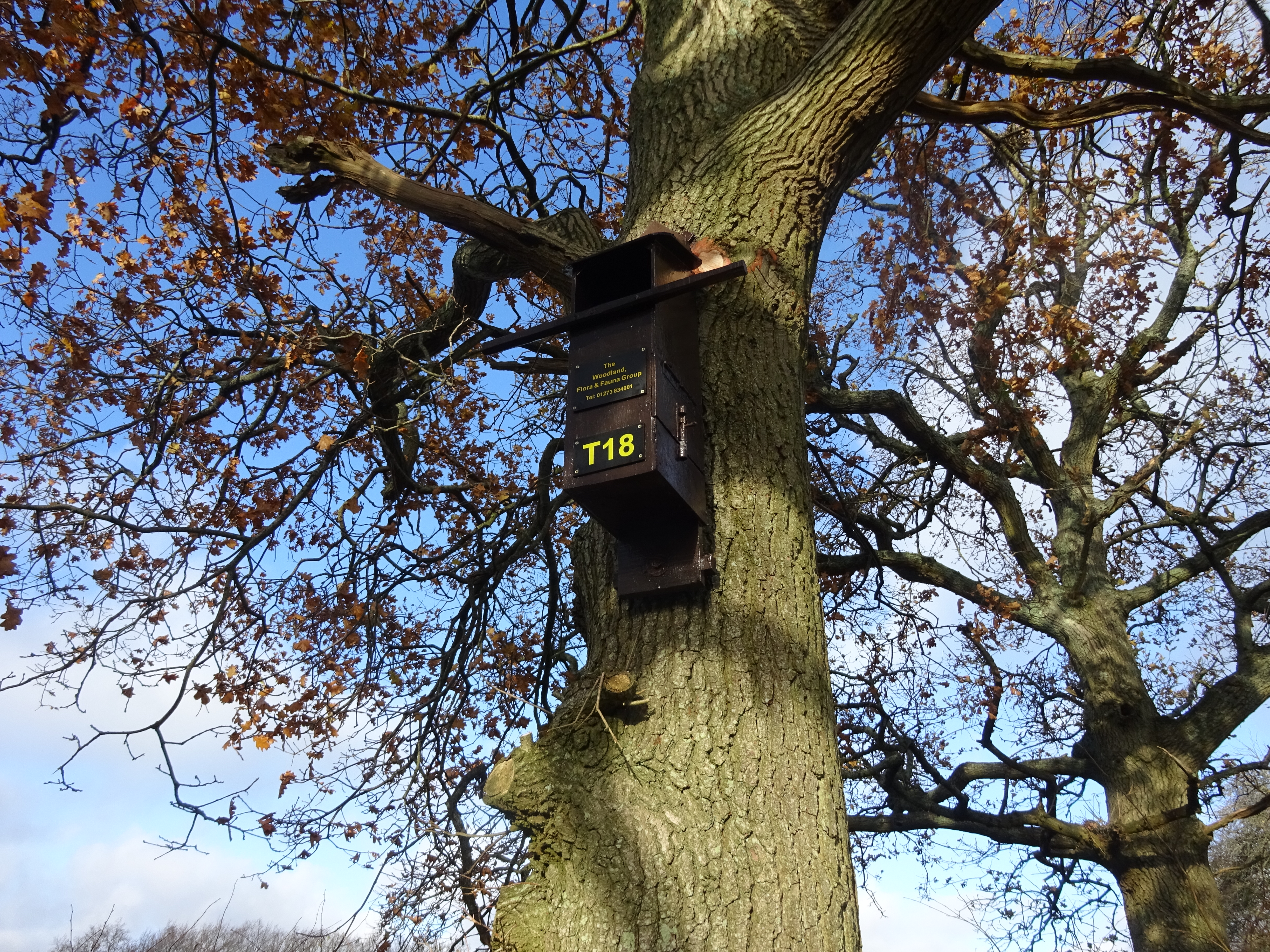 In a dry opportunity, a small team was hastily assembled and the box was erected in a location in Hassocks.
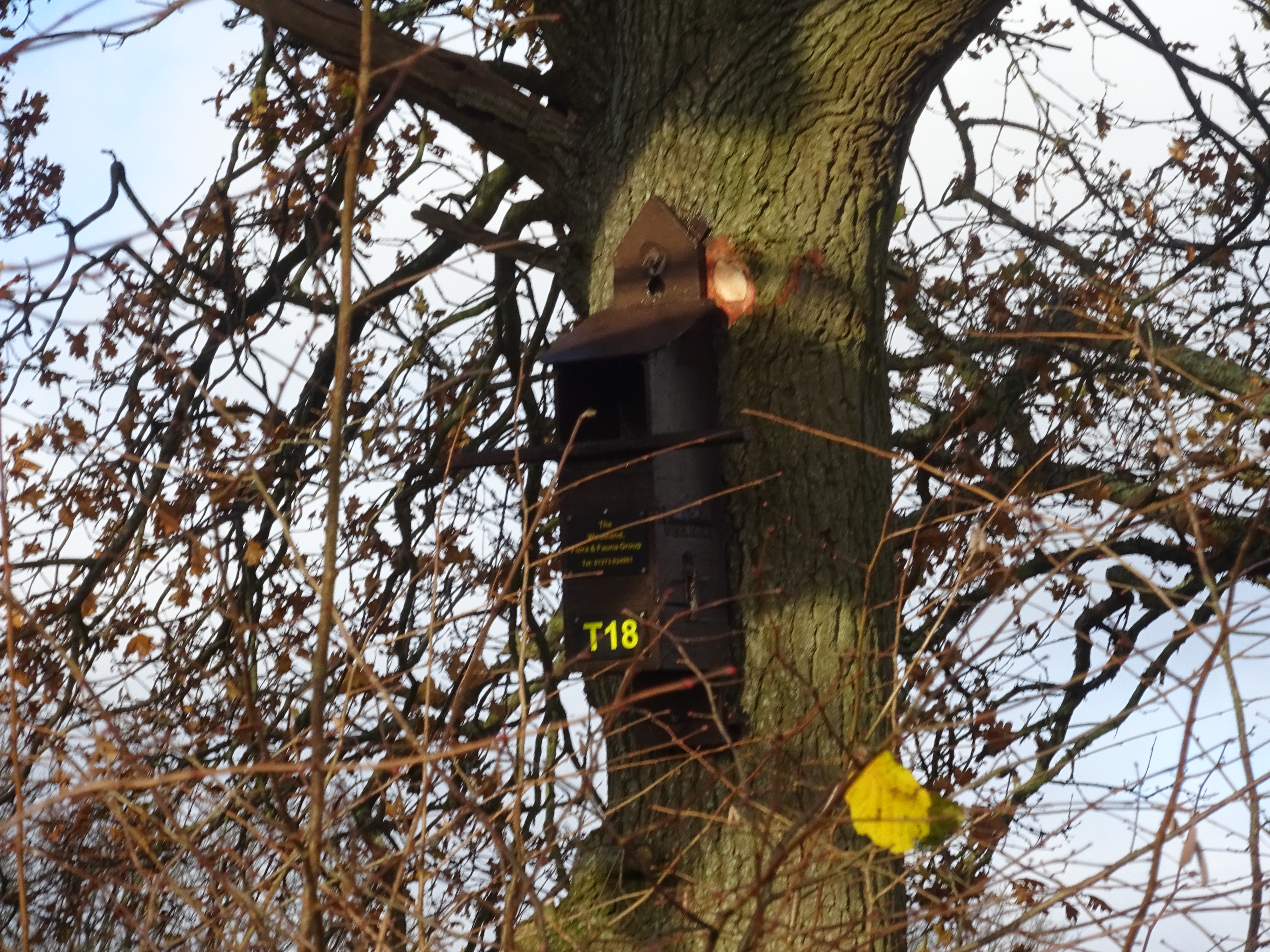 With tawny owls often breeding in late spring, it was erected quickly to allow the owls to familiarise themselves with it.
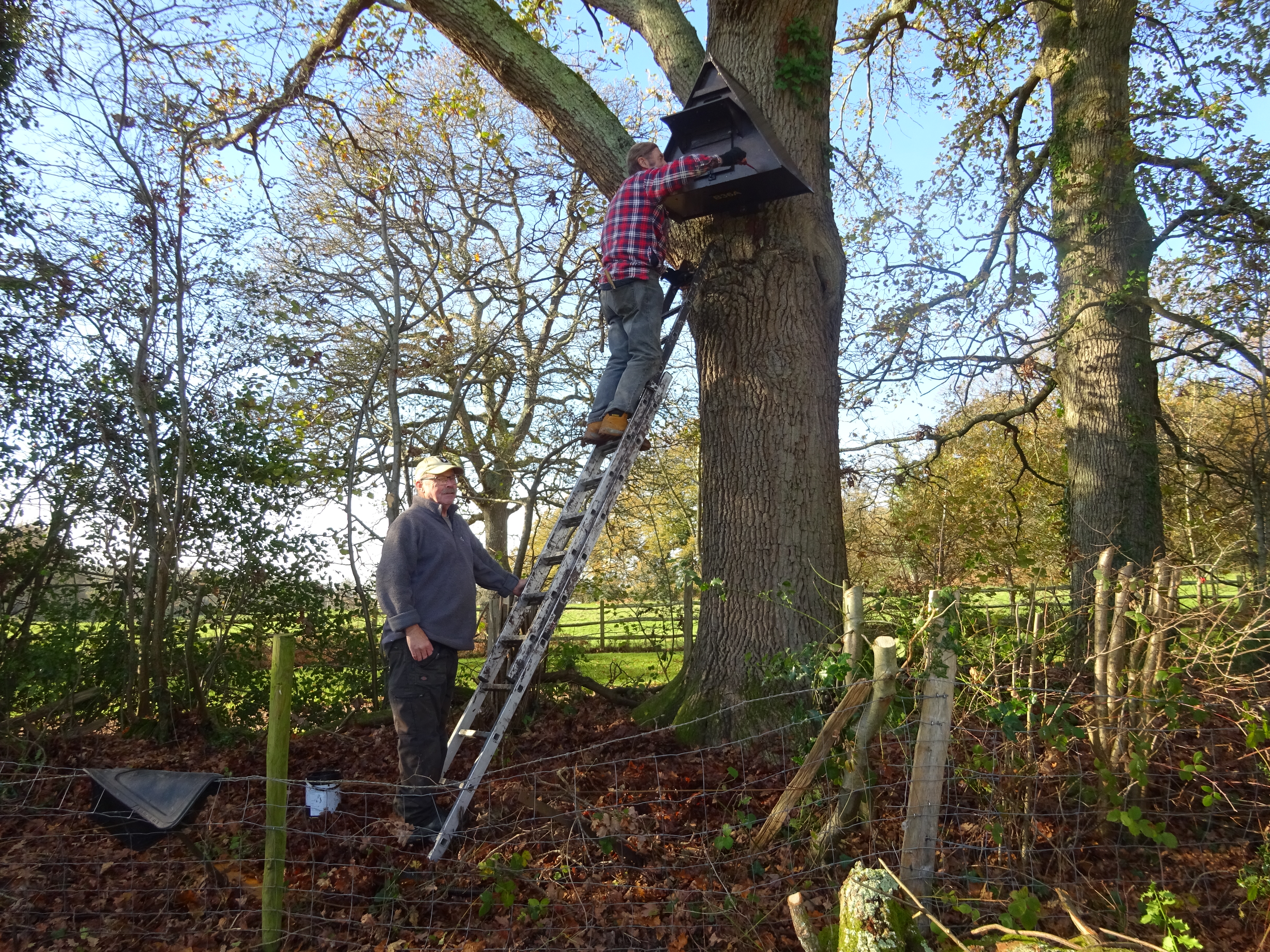 Then we turned our attention to an unfulfilled undertaking to erect one of our new boxes in the north of our conservation area, and shift an existing box originally erected by a landowner years before which had been unsuccessful in its previous position to attract any owls.
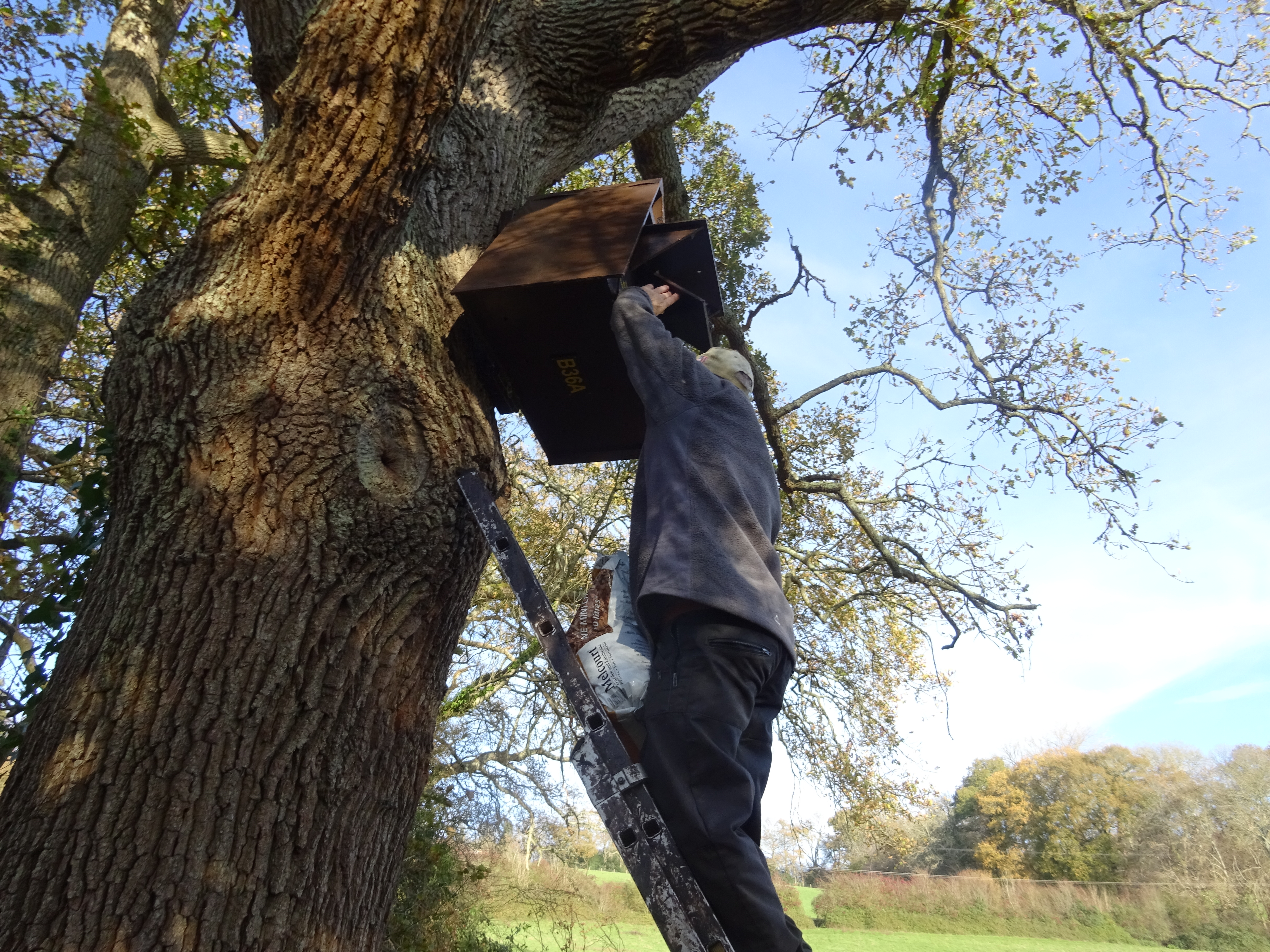 The volunteer team worked together to prepare the box for barn owl residency….
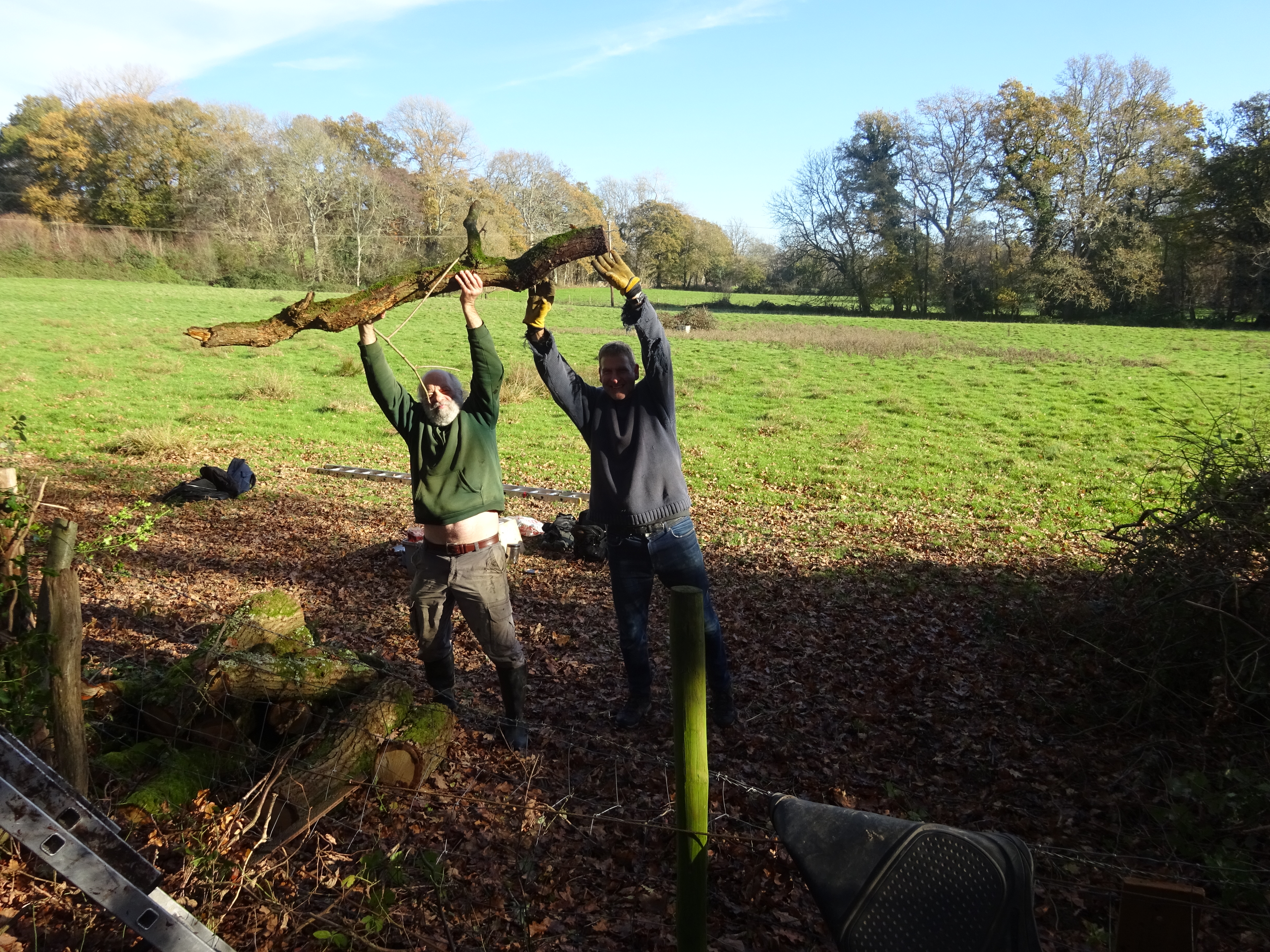 ….and cleared away all resulting debris accumulated through the site preparation exercise.
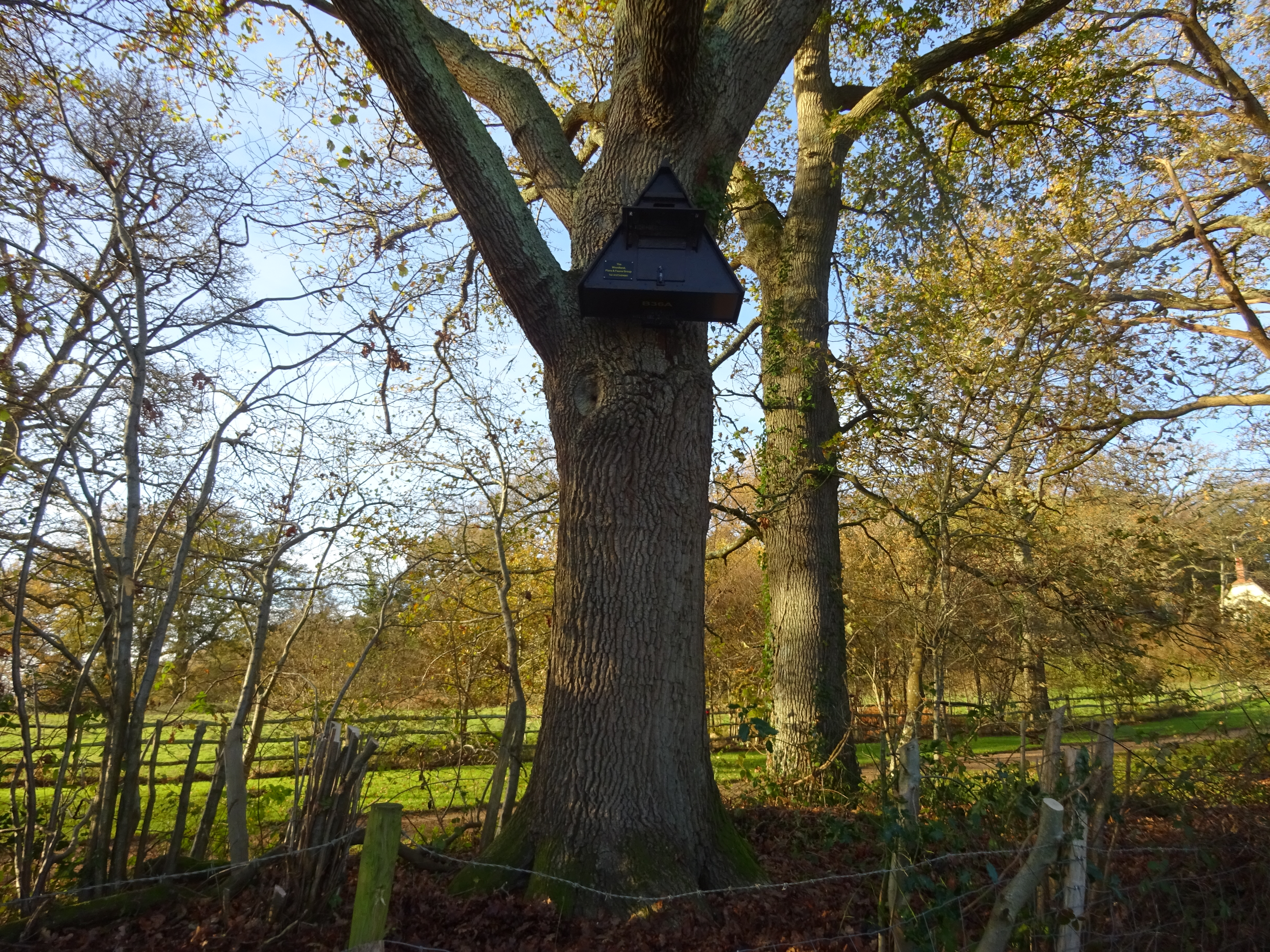 When completed, the box was left for owls to familiarise themselves with it, and hopefully occupy in due course.
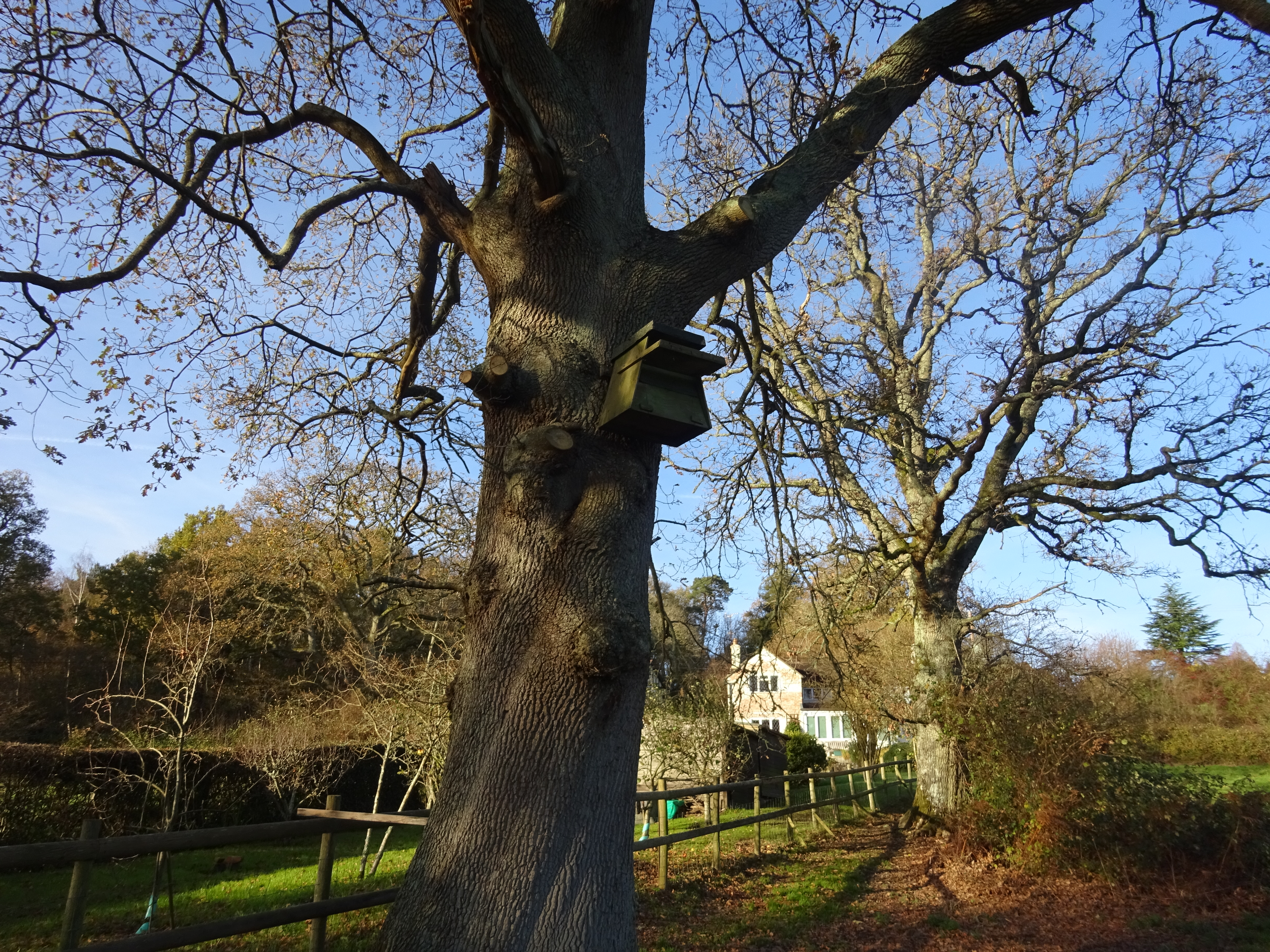 The landowner’s box was erected nearby.
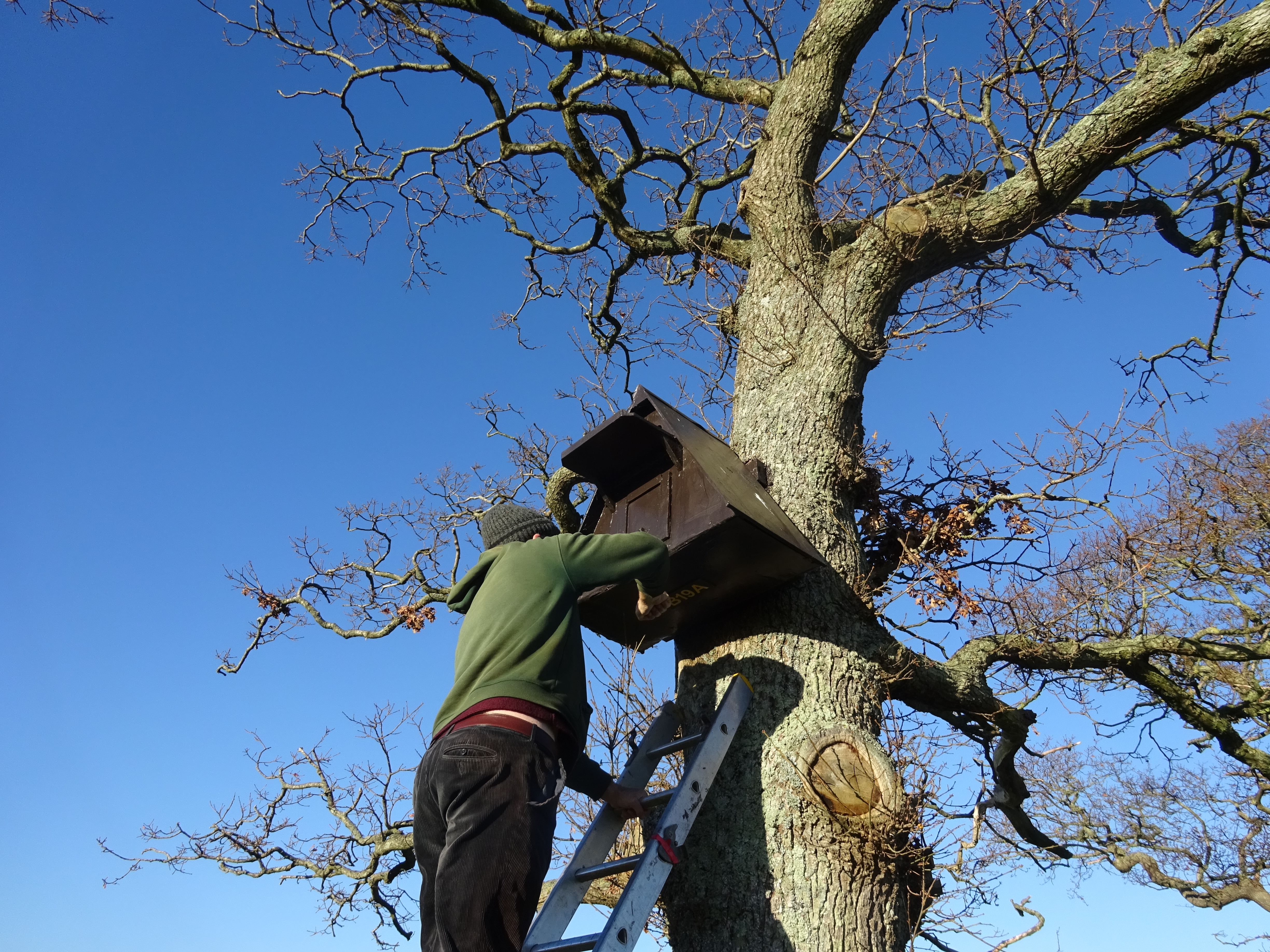 Our attention was then given to replacing a severely weather damaged box in the south of our conservation area.
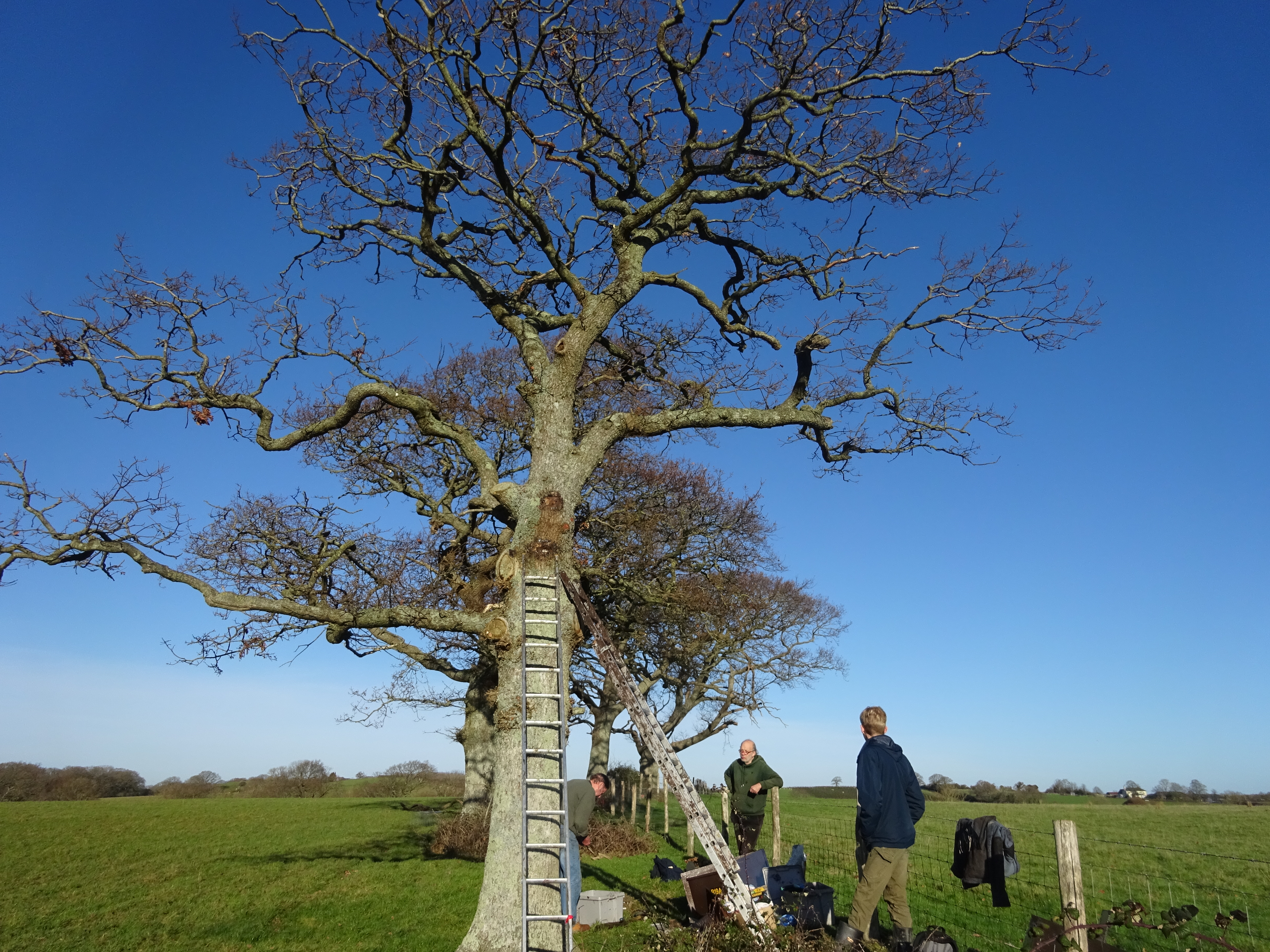 The box was removed by another team of volunteers who were assembled to capitalise on a dry weather opportunity….
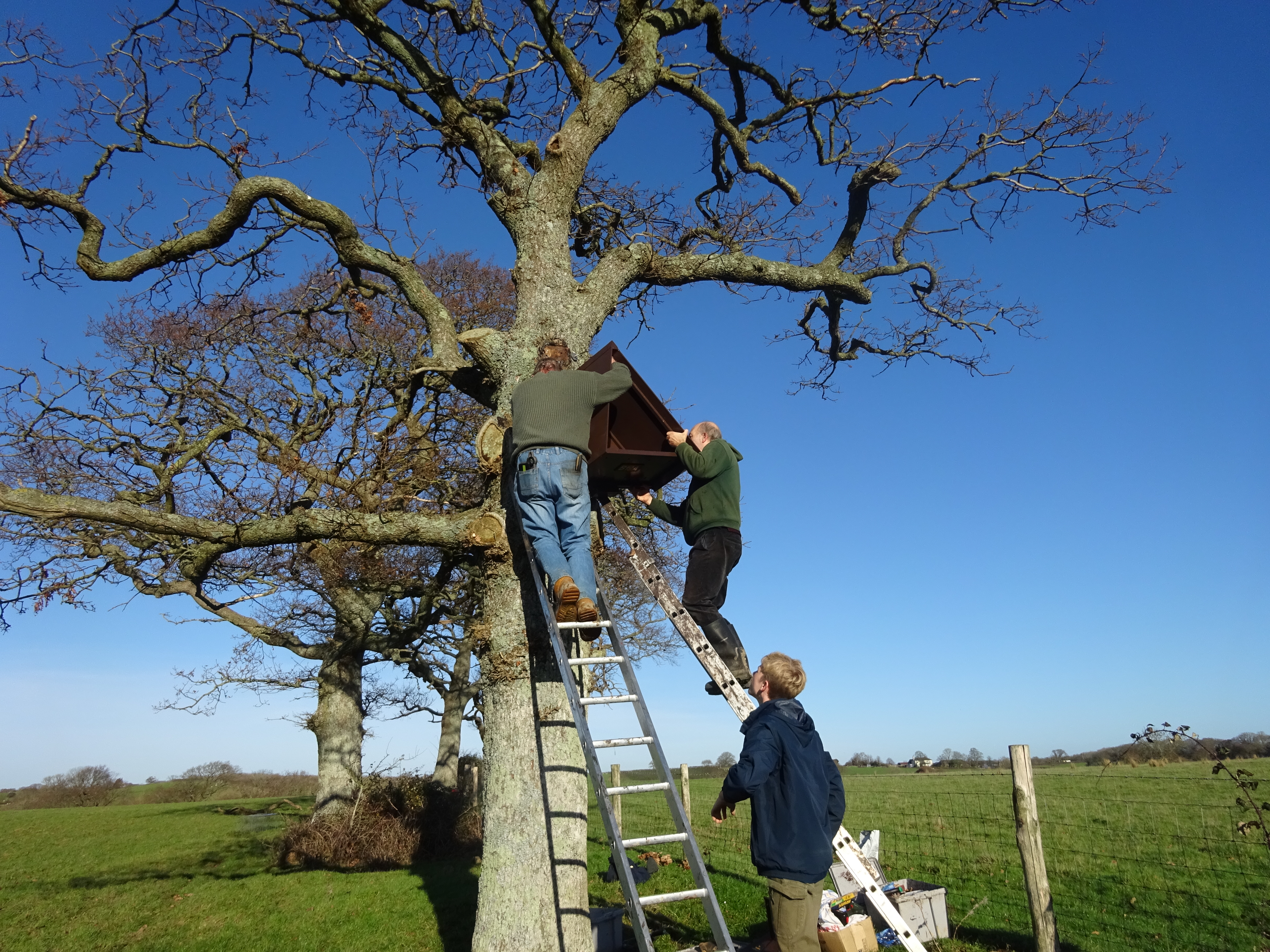 ….and began mounting a new one in its place.
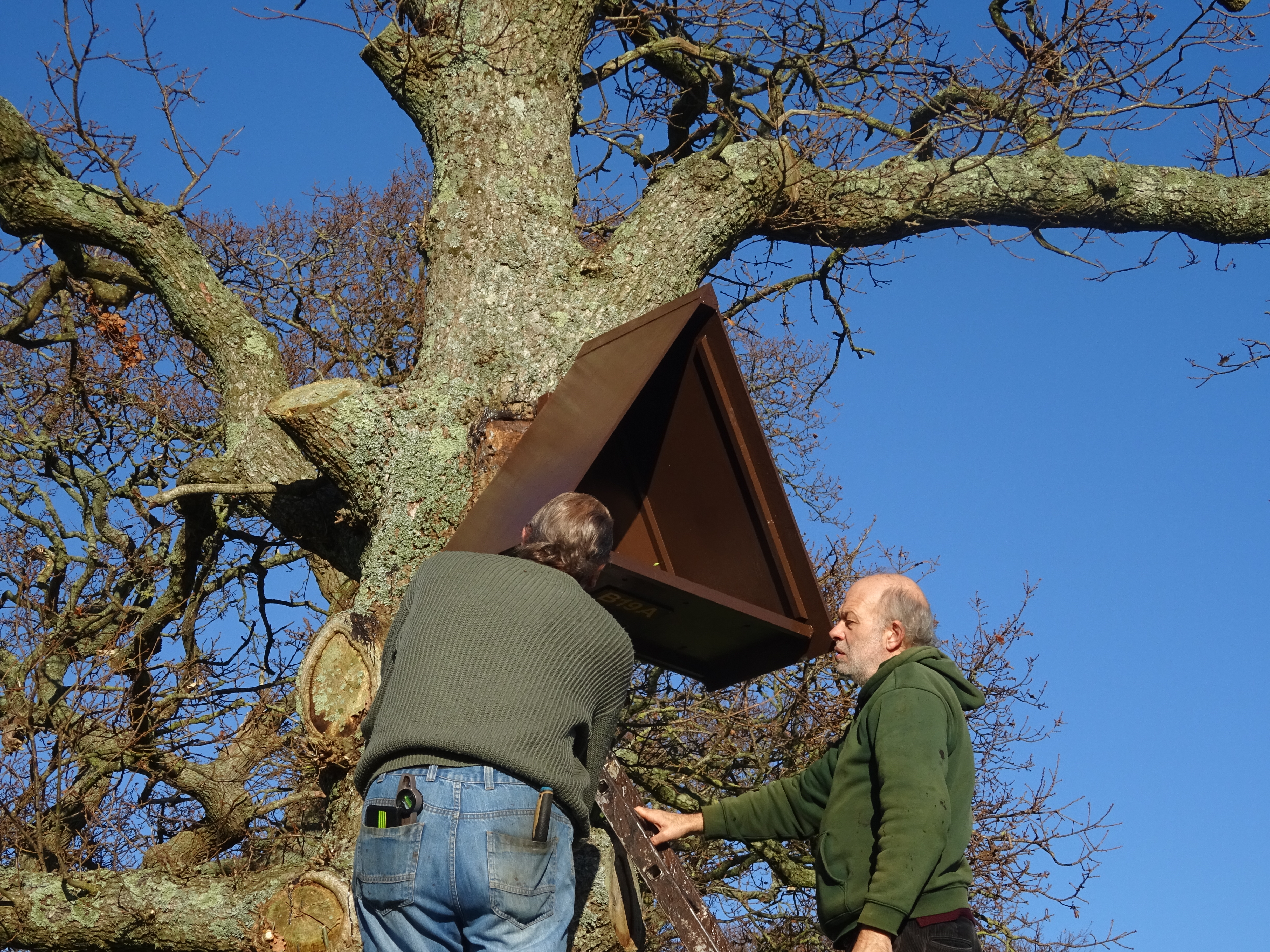 Each stage was undertaken as speedily as possible….
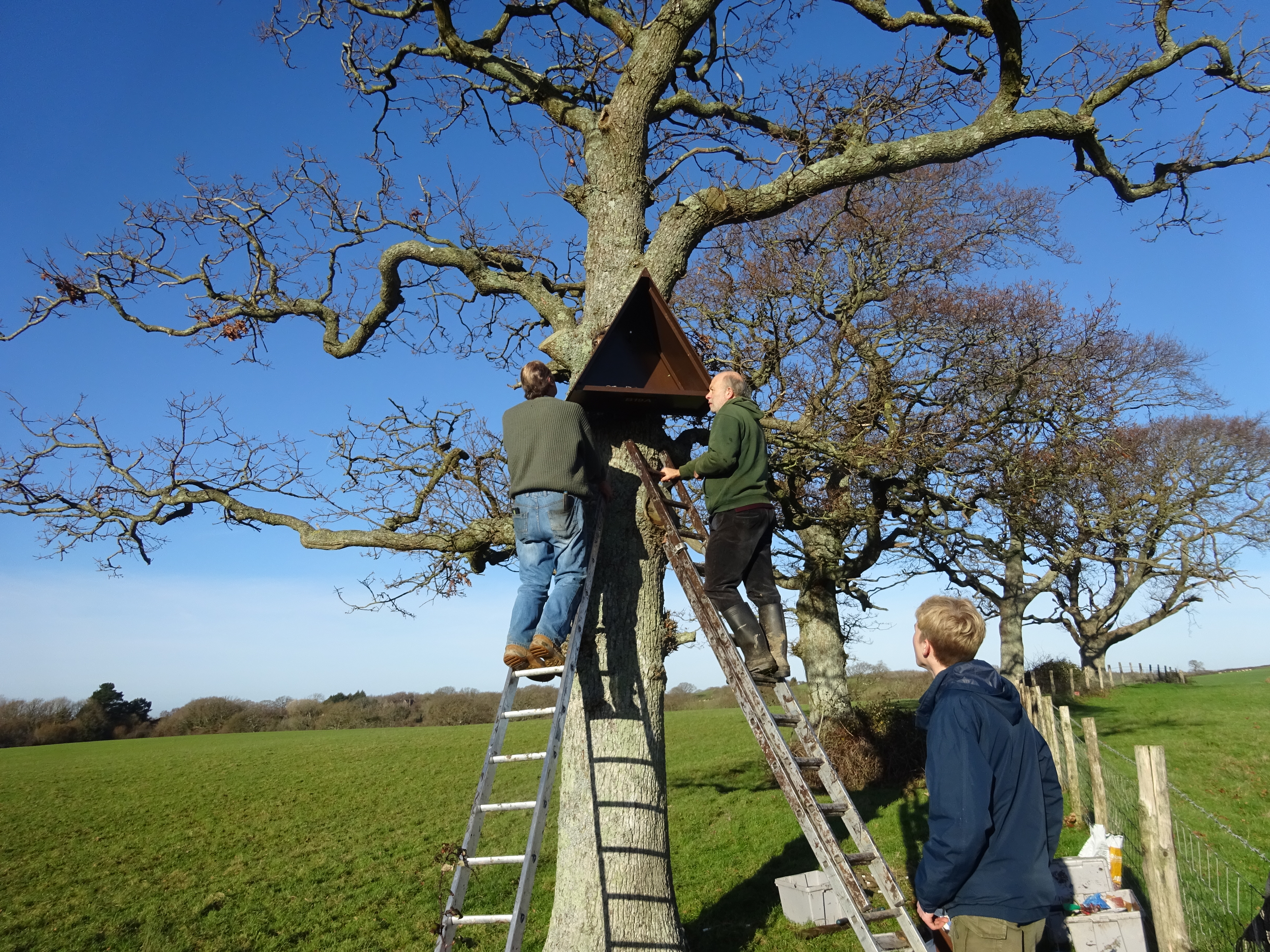 ….to ensure the task was completed….
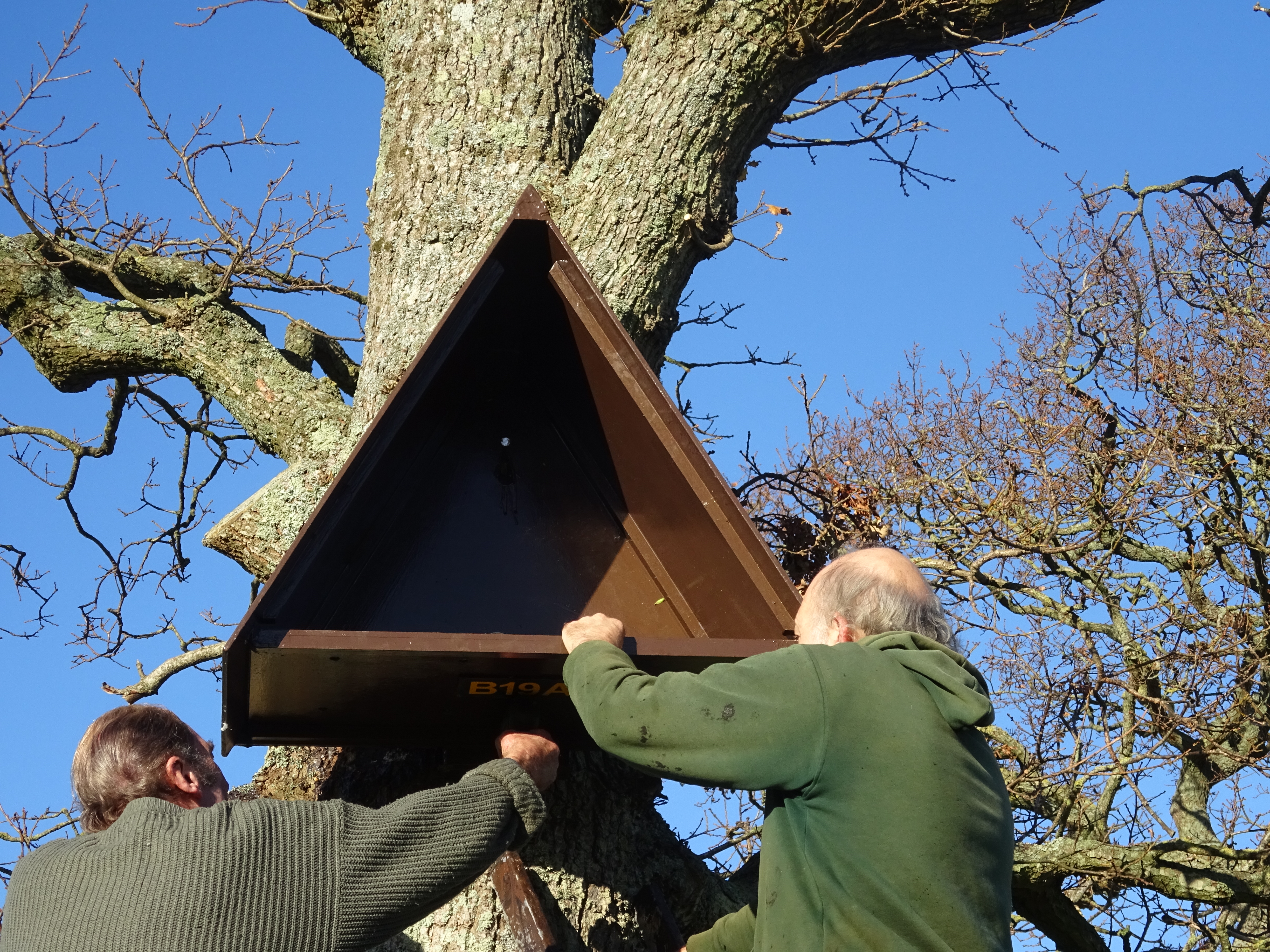 ….in the time available….
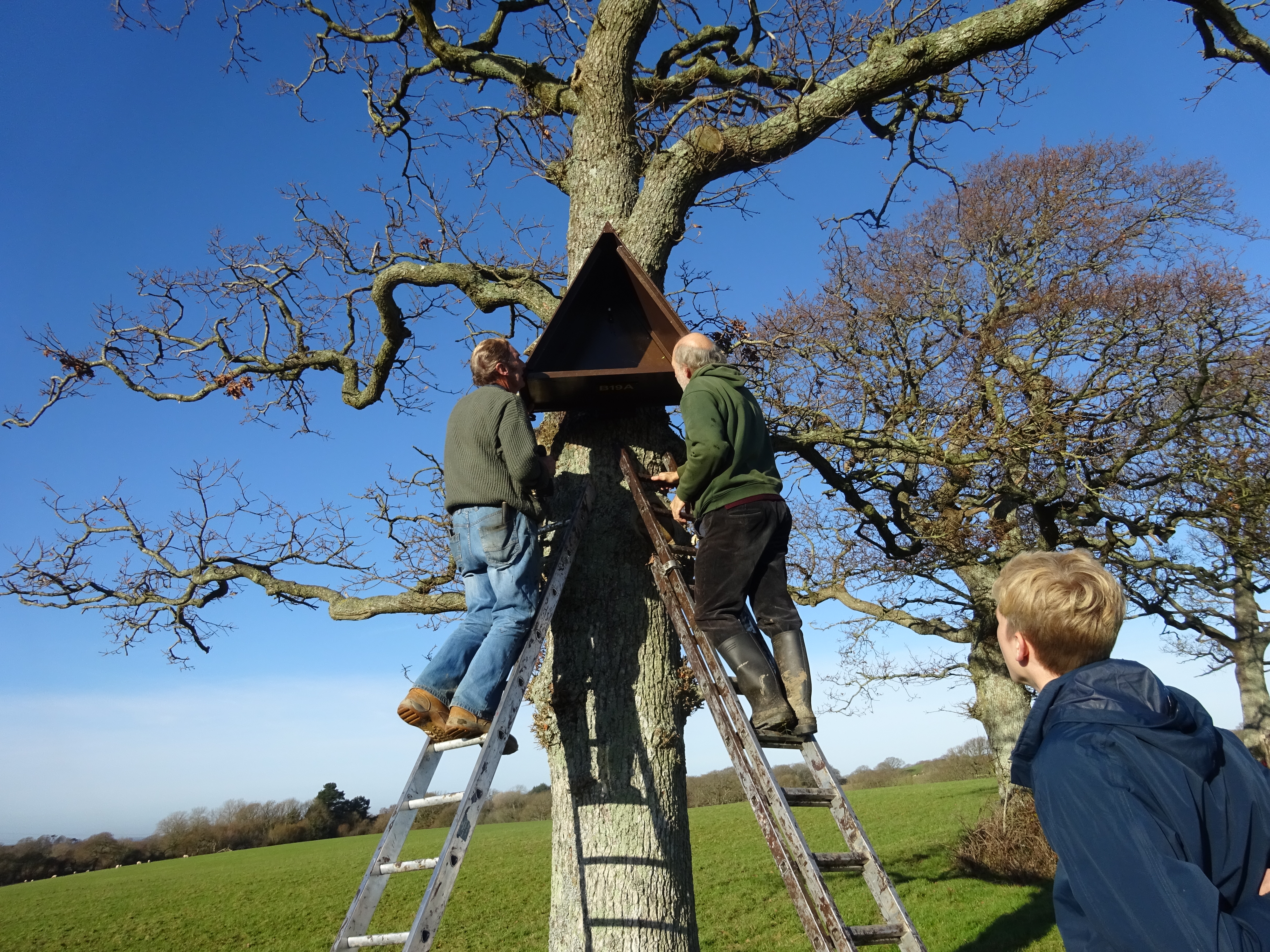 ….to meet volunteer availability restrictions….
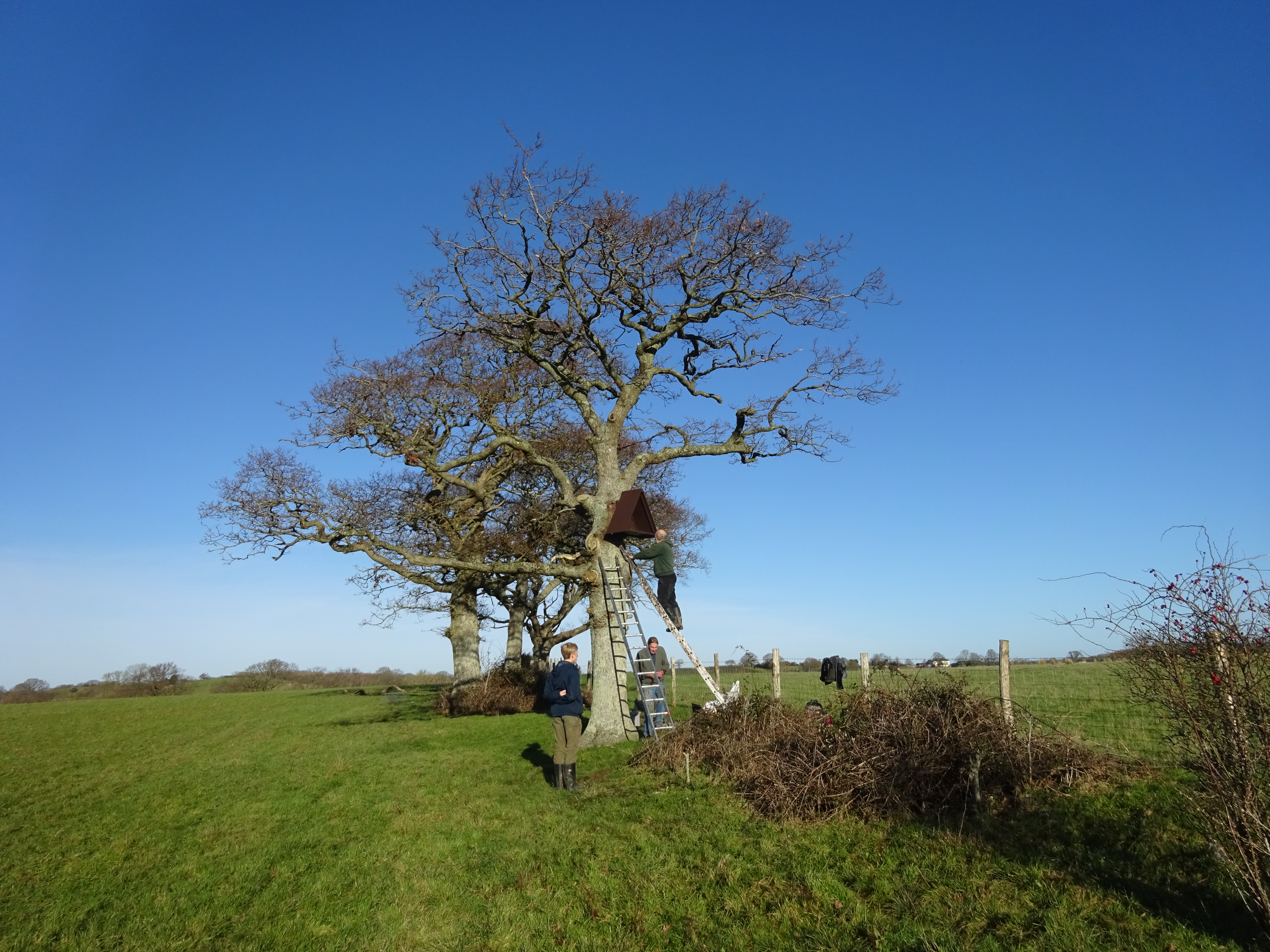 ….and the short day length….
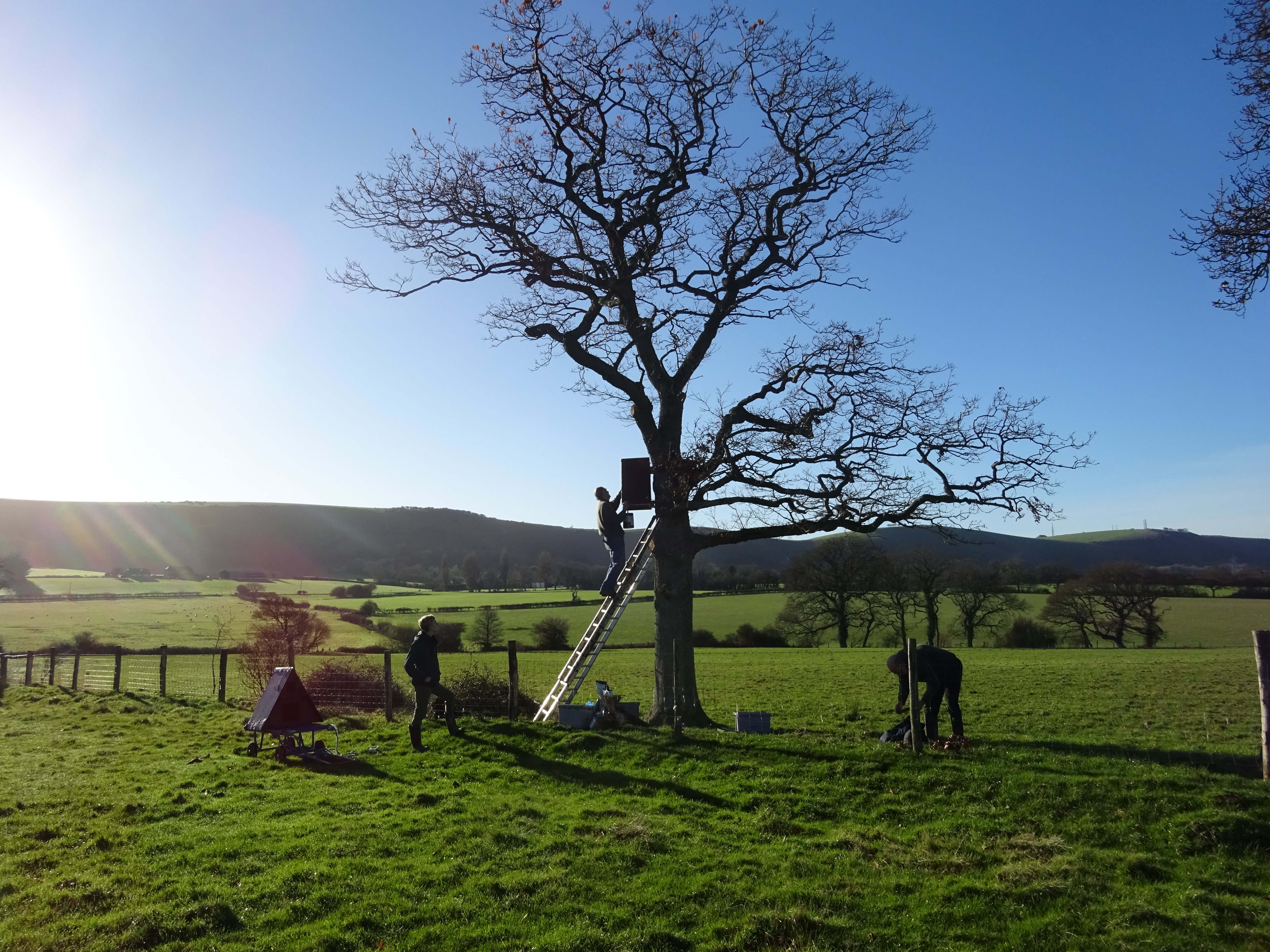 ….as we approached the shortest day of the year.
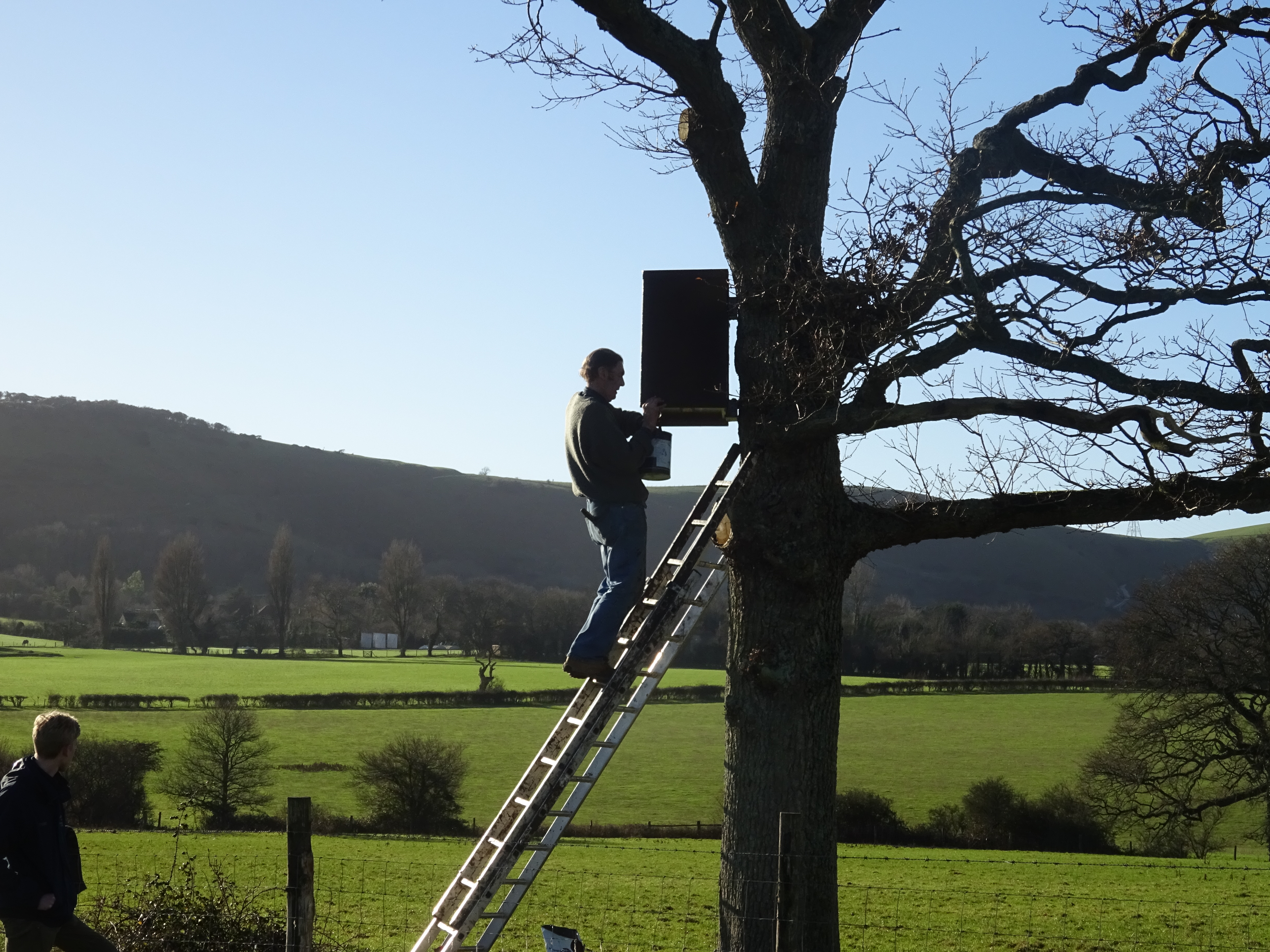 The final tasks….
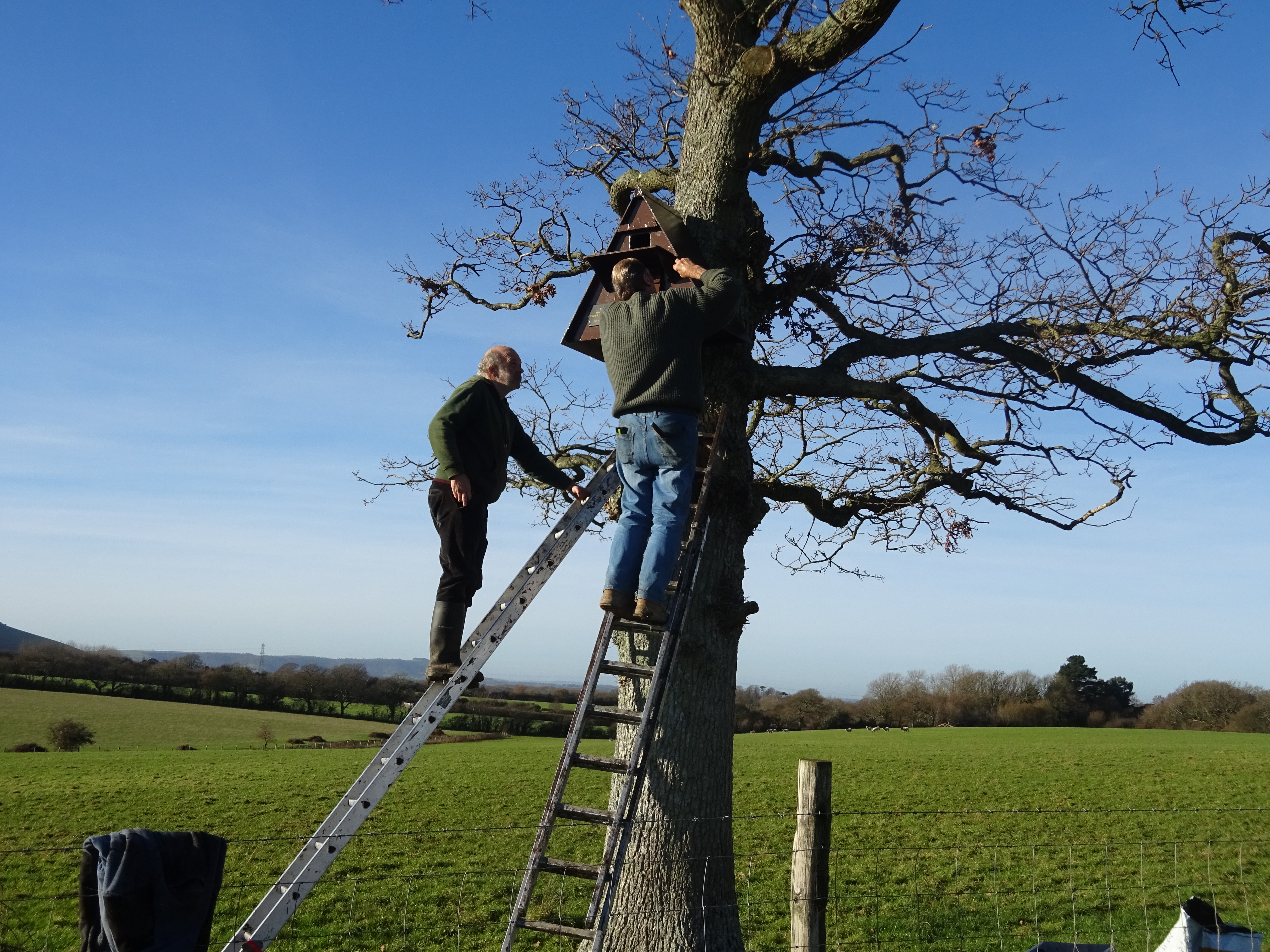 ….were completed….
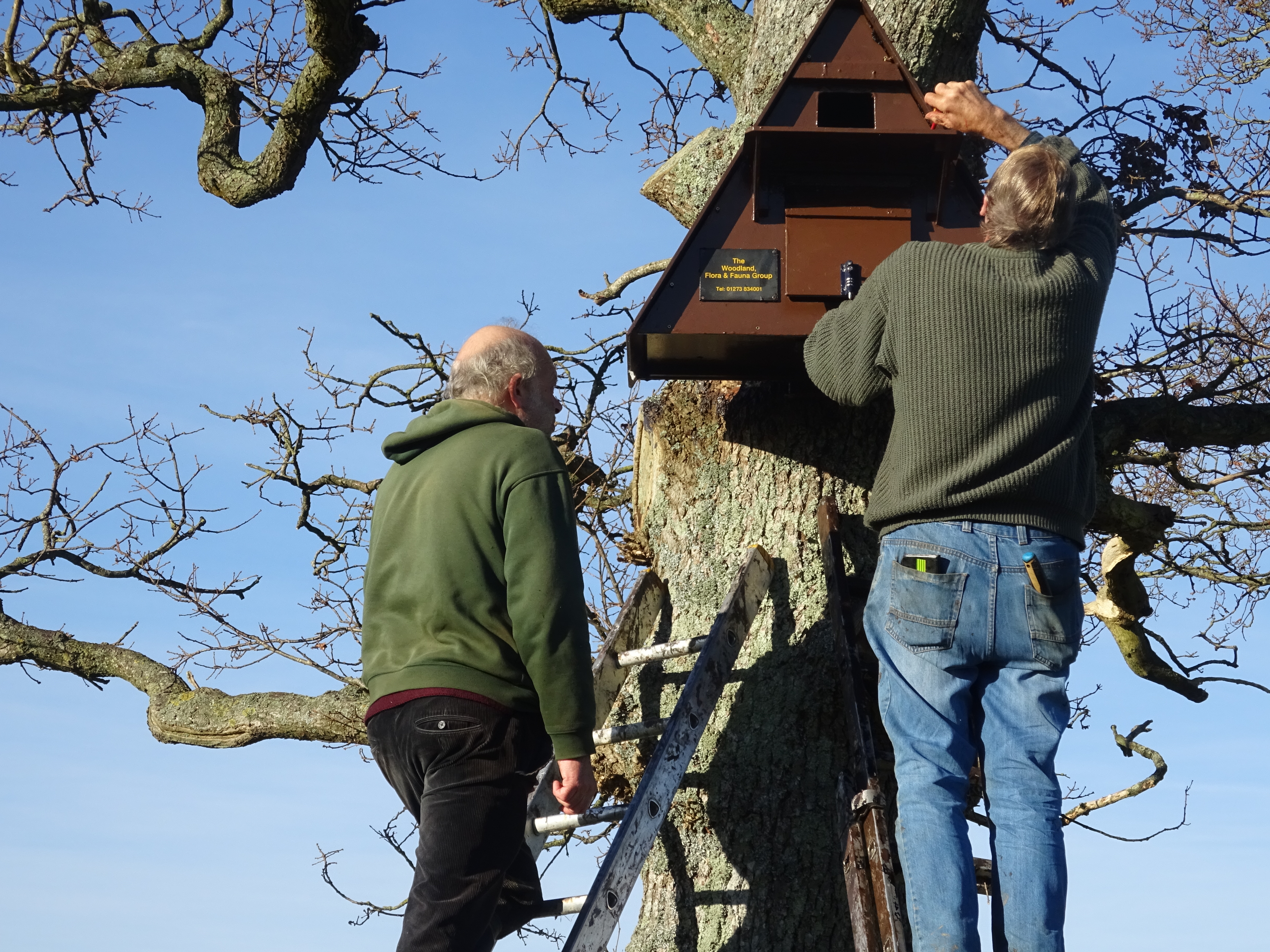 ….as the sun began to approach the horizon….
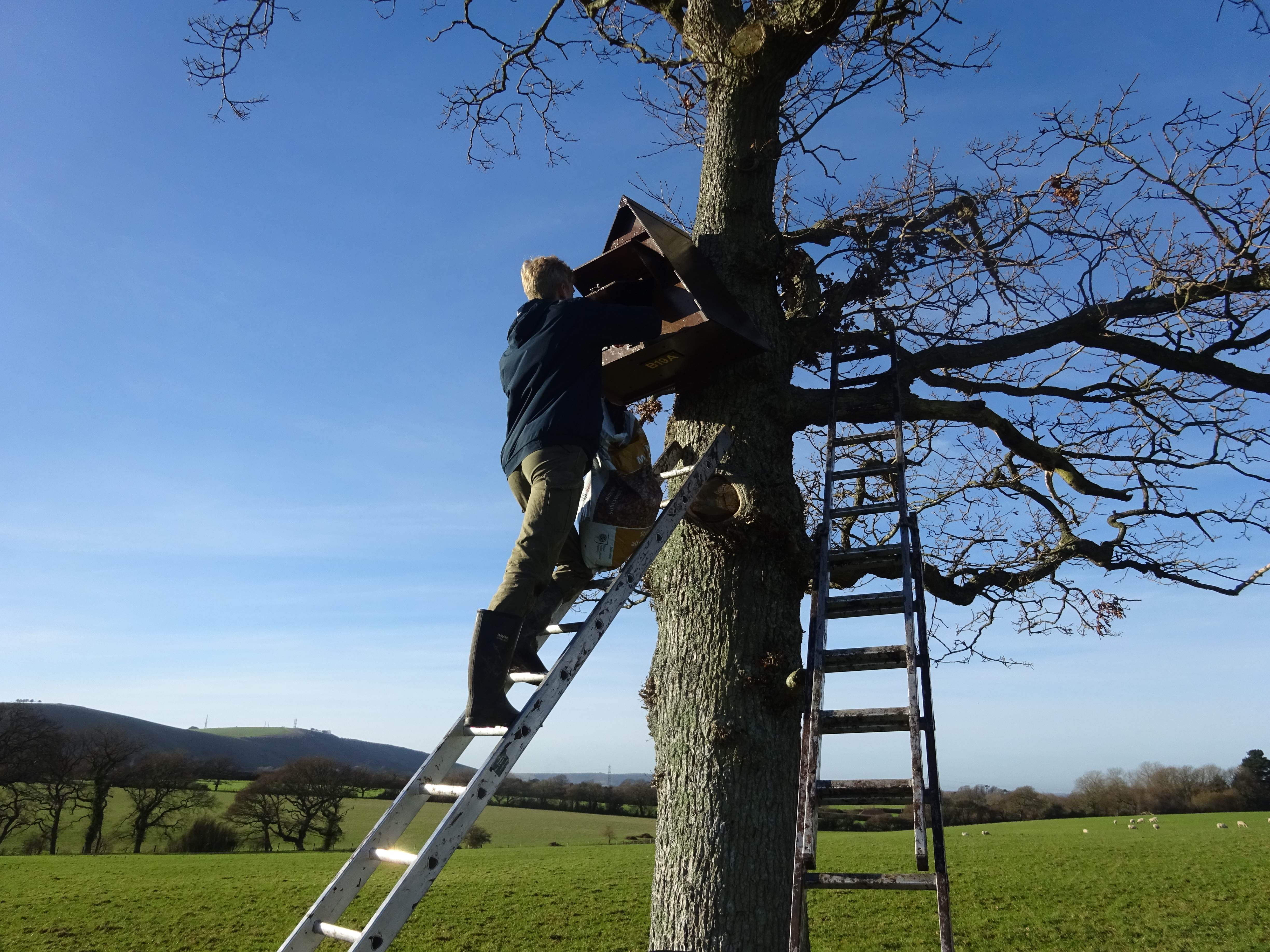 ….and lengthening shadows appeared.
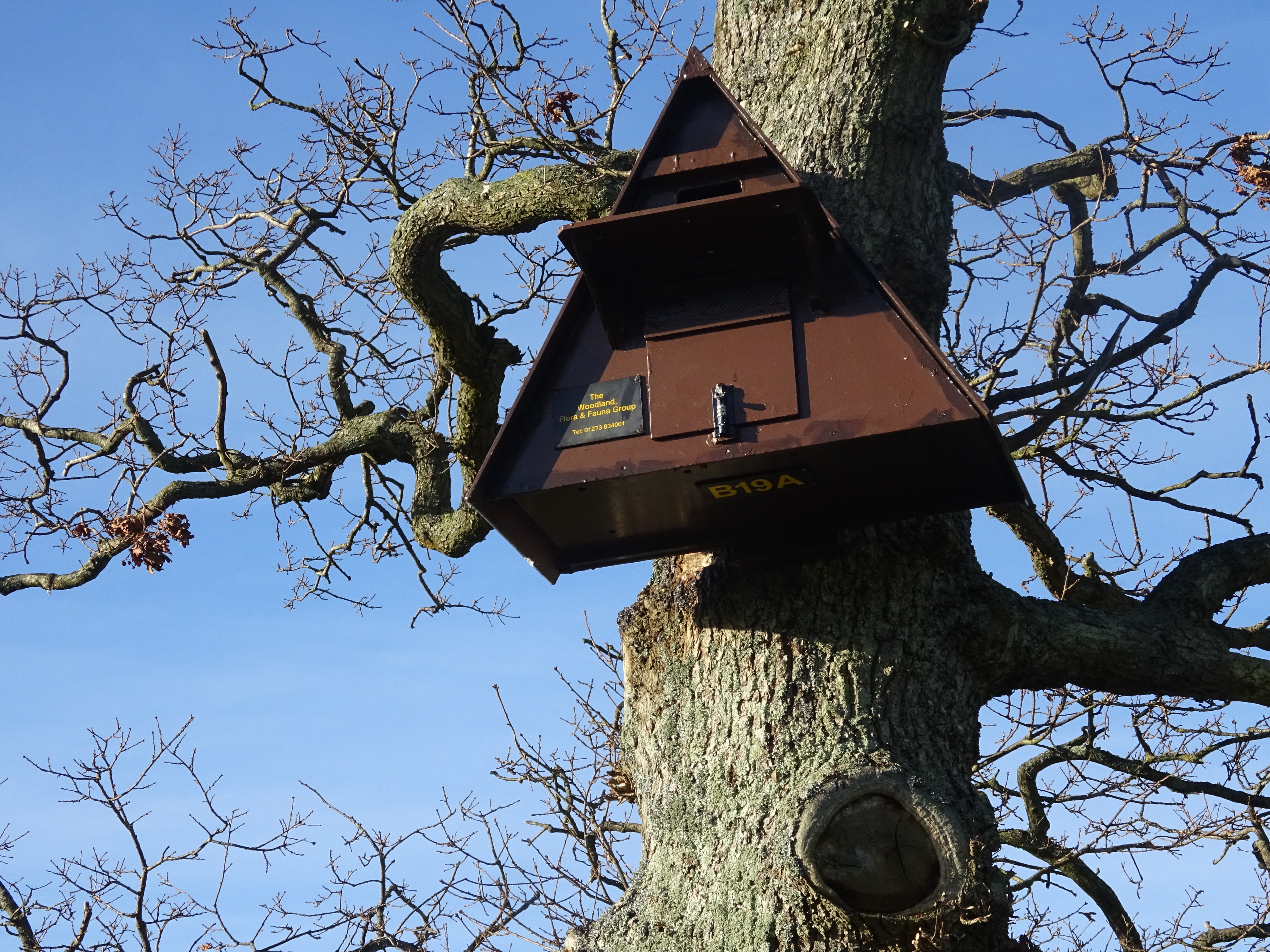 With the replacement box now completed….
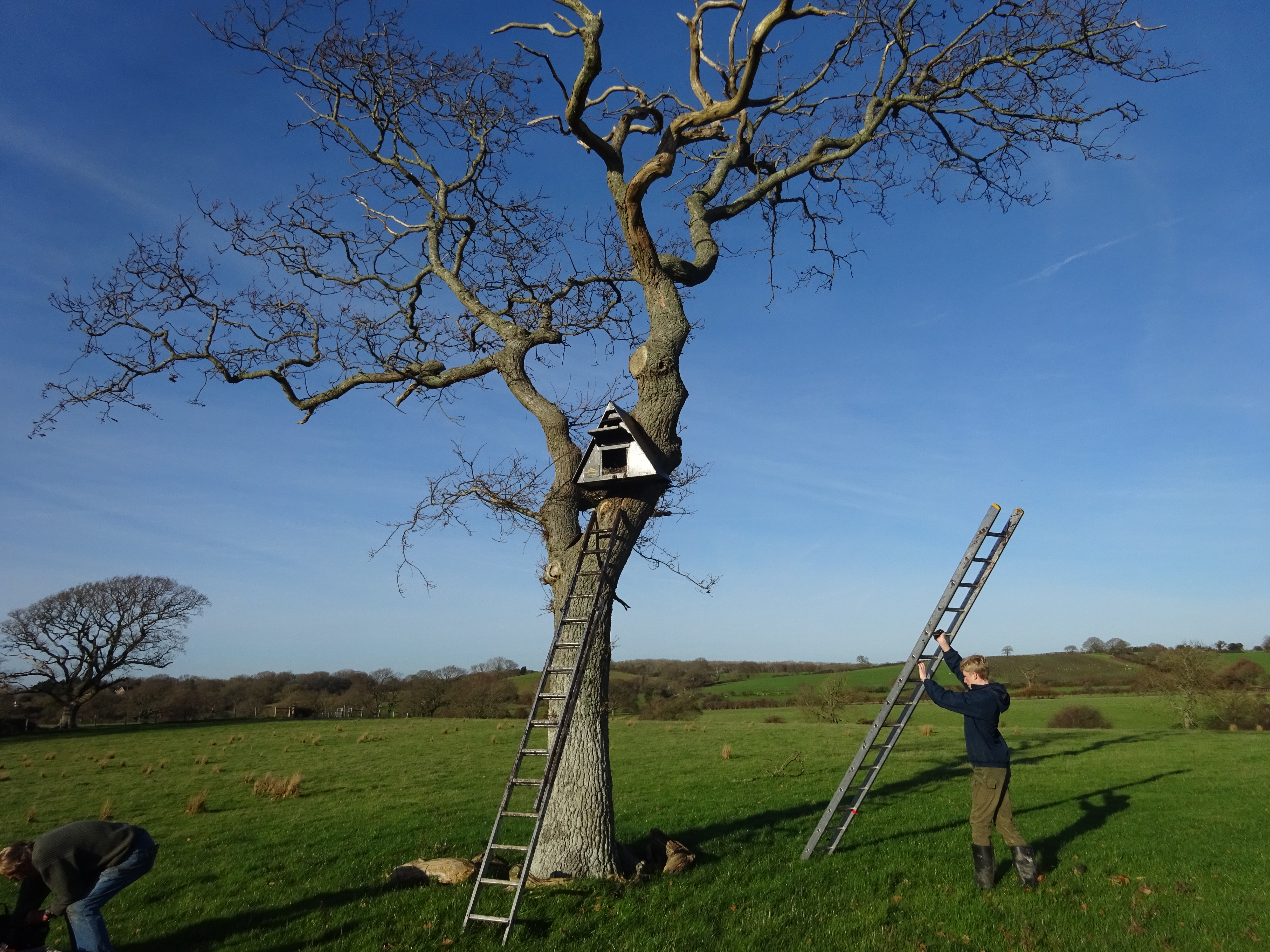 ….we quickly moved on to clean and maintain a second box located nearby as pictured here, before transporting all our equipment on the long journey over waterlogged fields, back to our vehicles.
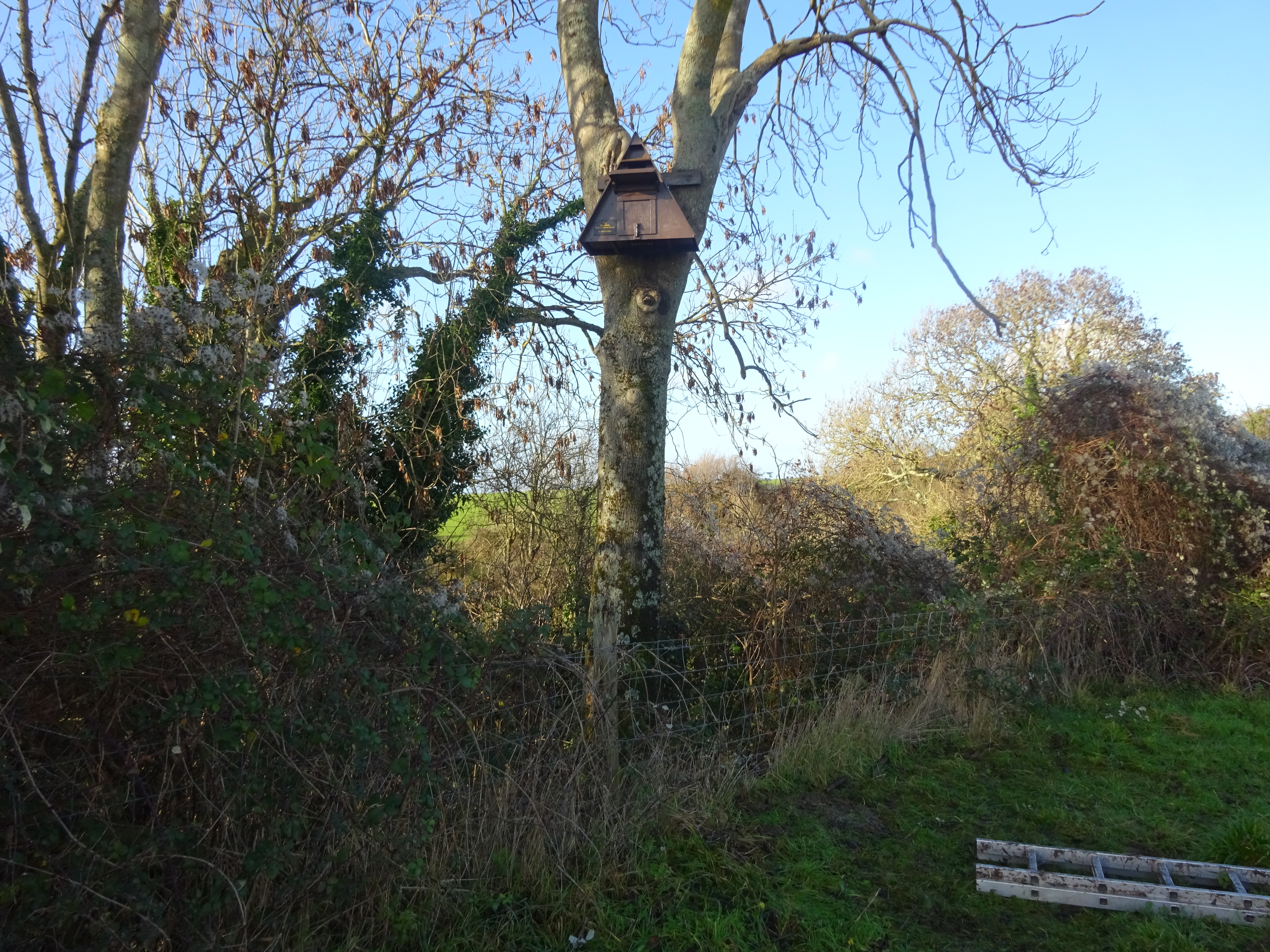 Days later, in another dry interval following heavy rainfall for the whole of the preceding day, another team undertook the replacement of second badly damaged box in the south-east of our large conservation area.
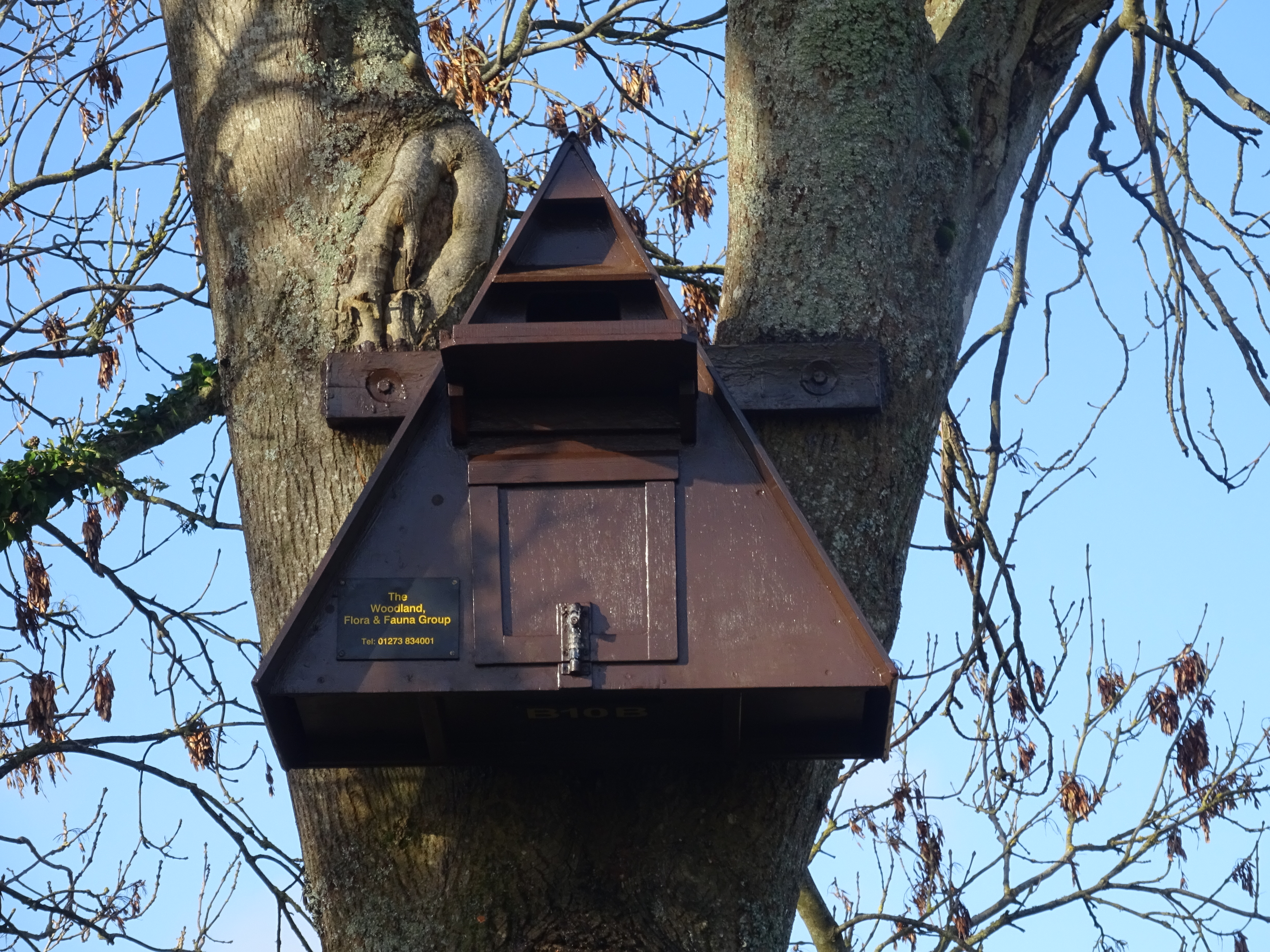 Again we grappled with wet ground conditions and a short daylight time frame to complete it in. The volunteers worked very hard and this was the finished result.
The owl box maintenance and damaged box replacement activity has to be performed when the boxes not being utilised for breeding. This forces it into the late autumn/winter months to prepare them for the oncoming breeding season. The weather at this time of the year is usually very cold and in recent years often exceedingly wet. This creates great difficulty in finding enough suitable days to undertake the many visits required, and the availability of team volunteers to match those days. As we approach this period of intense work, which will go on for many months, we are sincerely hoping that the weather will produce sufficient opportunities to undertake it. Our next report will cover this work and reveal how successful it was.